
Introduction
This guide on how to grow figs: expert tips for thriving trees connects you to one of the oldest fruit traditions on Earth. Humans grew figs over 11,000 years ago, long before wheat or barley came along. These trees still reward gardeners with sweet fruit that stores cannot match. Fresh figs taste nothing like the dried ones you find in boxes at the market. The flavor is worth every bit of effort you put into your tree.
I started growing fig trees 8 years ago when a neighbor shared cuttings from his grandmother's tree. That first harvest of 12 ripe figs hooked me for life. Since then I have learned that fig tree care is far simpler than most fruit trees. The results can be stunning too. Penn State Extension found one grower who picked 2,800 figs from a single tree in one season. Even new gardeners can expect 20 to 60 figs within a few years of planting their first tree.
Many gardeners skip figs because they think these trees only grow in warm places. That myth keeps people from enjoying fresh figs right in their own yards. Cold hardy types now thrive as far north as zone 5 with the right care and winter protection. You can grow these trees almost anywhere in the country with a bit of planning. A Mediterranean orchard in your backyard is easier to create than most people think it is.
This guide covers all you need for thriving trees that bear fruit year after year. You will learn which types match your climate and how to pick the best spot for planting. The simple pruning tricks here will boost your harvest and keep your tree healthy for decades. Interest in growing fruit at home has jumped 45% since 2020. Figs offer one of the best success rates for beginners who want real results.
How to Grow Figs Successfully
Learning how to grow figs well means hitting a few key targets for light, soil, water, and space. Miss any of these basics and your tree will struggle to produce fruit no matter what else you do right. I have watched dozens of gardeners fail with figs because they guessed instead of measured. Data from state extension offices shows the exact numbers that work.
Your fig tree needs 6 to 8 hours of direct sunlight each day to produce fruit well. Full sun figs give the best harvests, so pick the sunniest spot in your yard. South facing walls work great because they also reflect extra heat onto your tree. I planted one of my trees next to a brick wall and it fruits 2 weeks earlier than the same type planted in an open spot.
Soil pH for figs should sit between 6.0 and 6.5 for best results. Most garden centers sell simple test kits for a few dollars. Figs demand well-drained soil above all else, since wet roots rot fast and kill trees within a season. Sandy loam works best, but figs adapt to many soil types as long as water flows away after rain.
Water your fig tree 1 to 1.5 inches each week during the growing season. Use a rain gauge or empty tuna can to track rainfall and add what nature misses. Too much water causes more problems than too little for established trees. Overwatering leads to root rot and fruit drop, two issues I see constantly in new fig growers.
When planting fig trees, set the root ball 2 to 4 inches deeper than it sat in the nursery pot. Space trees 10 to 35 feet apart based on the mature size of your chosen type. Smaller types like Celeste need less room while large growers like Black Mission demand the full 35 feet. Raised beds and container growing have made fig tree care possible even for urban gardeners with small yards or balconies.
Best Fig Varieties for Your Climate
The best fig variety for your garden depends on where you live and how cold your winters get. Young fig trees cannot survive below 20 to 30 degrees Fahrenheit, so your USDA zone matters more than flavor when starting out. I made the mistake of planting a Black Mission fig in zone 6 and lost it the first winter. Zone matters first, taste second.
Specialty nurseries now stock over 40 fig varieties compared to just 5 or 10 a decade ago. That selection can feel overwhelming when you just want a tree that grows well in your yard. Cold hardy figs like Chicago Hardy fig and Violette de Bordeaux open up fig growing to gardeners in zones 5 and 6. Warmer zone growers can focus on flavor since most types will survive their winters just fine.
Start by finding your USDA zone, then look at tree size based on your yard space. A big Black Mission fig needs 25 to 30 feet of room while a Celeste fig fits in 10 to 15 feet. Container growers should look at compact types like Violette de Bordeaux that stay small without heavy pruning. The list below covers 8 proven fig varieties sorted by cold hardiness so you can find the best match for your climate.
Chicago Hardy
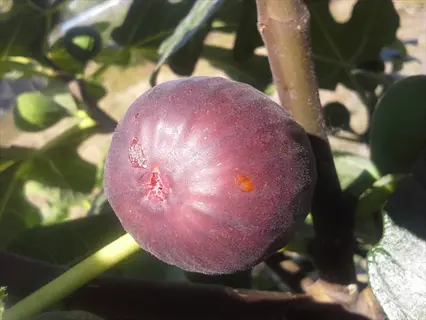
- Cold Hardiness: Survives temperatures down to 10 degrees Fahrenheit (-12 degrees Celsius) above ground and -20 degrees Fahrenheit (-29 degrees Celsius) at root level, making it the most cold-tolerant variety available for northern gardeners.
- Growing Zones: Thrives in USDA zones 5-10, performing exceptionally well in zones 6-7 where it produces abundant fruit without winter dieback issues.
- Fruit Characteristics: Medium-sized purple-brown figs with sweet, rich flavor and reddish-pink interior flesh that ripens reliably from late summer through early fall.
- Growth Habit: Naturally grows as multi-stemmed shrub reaching 10-15 feet (3-4.5 meters) tall, though often maintained smaller through pruning or winter dieback in cold climates.
- Production Timeline: Bears fruit on current season growth, allowing harvest even after winter kills stems to the ground, with first crops typically appearing in year 2-3.
- Best Use: Ideal for cold climate gardeners who want reliable fig production without elaborate winter protection systems or container growing requirements.
Brown Turkey
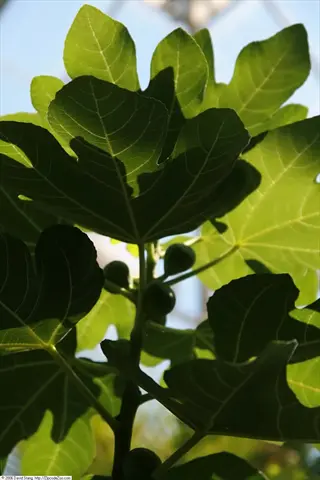
- Cold Hardiness: Tolerates temperatures down to 10-15 degrees Fahrenheit (-12 to -9 degrees Celsius), making it suitable for zones 7-11 with reliable production.
- Growing Zones: Performs best in USDA zones 7-10, representing the most widely available and commonly planted fig variety in American nurseries.
- Fruit Characteristics: Large brownish-purple figs with pink to amber flesh, mild sweet flavor, and excellent texture for fresh eating or preserving.
- Growth Habit: Vigorous grower reaching 15-25 feet (4.5-7.6 meters) unpruned, responds well to training and can be maintained at 8-10 feet (2.4-3 meters) with annual pruning.
- Production Timeline: Produces two crops annually in warm climates: breba crop in early summer on old wood, main crop in late summer on current growth.
- Best Use: Perfect for beginners due to adaptability, disease resistance, and consistent production across a wide range of growing conditions.
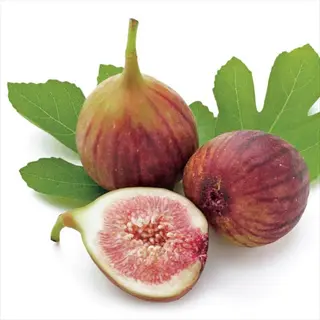
Celeste
- Cold Hardiness: Withstands temperatures to 15 degrees Fahrenheit (-9 degrees Celsius), performing reliably through zone 7 and sometimes zone 6 with protection.
- Growing Zones: Ideal for USDA zones 7-10, particularly favored throughout the southeastern United States where it has grown for generations.
- Fruit Characteristics: Small to medium violet-bronze figs with exceptionally sweet honey-like flavor and closed eye that resists splitting and insect entry.
- Growth Habit: Compact tree reaching 10-15 feet (3-4.5 meters), making it excellent for smaller gardens and container growing applications.
- Production Timeline: Produces primarily on current season growth with main crop ripening from July through September depending on location and climate conditions.
- Best Use: Outstanding choice for fresh eating due to concentrated sweetness and for gardeners with limited space requiring a more compact tree.
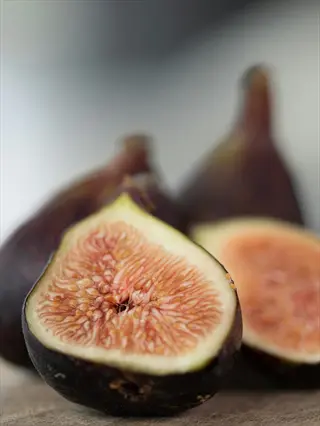
Black Mission
- Cold Hardiness: Tolerates temperatures to approximately 15-20 degrees Fahrenheit (-9 to -7 degrees Celsius), best suited for zones 8-10 without winter protection.
- Growing Zones: Thrives in USDA zones 8-11, historically grown in California missions since the 1700s and remains the commercial standard.
- Fruit Characteristics: Deep purple-black skin with strawberry-red flesh, intensely sweet jammy flavor considered by many as the finest tasting fig variety.
- Growth Habit: Vigorous upright grower reaching 25-30 feet (7.6-9 meters) when mature and unpruned, requiring significant space or regular size management.
- Production Timeline: Produces heavy breba crop and main crop, with fruit ripening from June through October in favorable climates.
- Best Use: Premium choice for gardeners in warm climates who prioritize flavor quality over cold hardiness, excellent for drying and preserving.
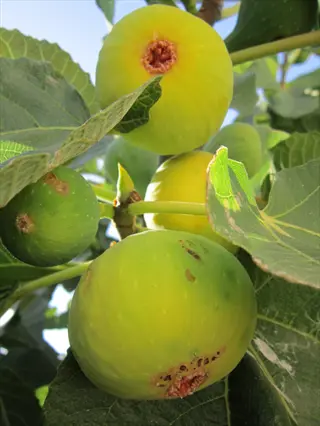
Kadota
- Cold Hardiness: Survives to approximately 15 degrees Fahrenheit (-9 degrees Celsius), suitable for zones 7-10 with good protection in colder areas.
- Growing Zones: Performs best in USDA zones 8-10, widely grown in California for commercial canning and home garden applications.
- Fruit Characteristics: Yellow-green skin with amber flesh, mild honey-sweet flavor less intense than darker varieties, and virtually seedless texture.
- Growth Habit: Medium-sized tree reaching 15-20 feet (4.5-6 meters), with spreading canopy that benefits from formative pruning when young.
- Production Timeline: Produces abundant main crop on current season wood, ripening from August through October with reliable annual yields.
- Best Use: Excellent for canning, preserving, and drying due to light color and mild flavor that pairs well with other ingredients in recipes.
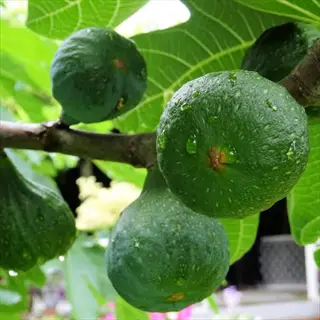
Desert King
- Cold Hardiness: Tolerates temperatures to approximately 10 degrees Fahrenheit (-12 degrees Celsius), performing well in cooler Pacific Northwest climates.
- Growing Zones: Ideal for USDA zones 6-9, specifically bred for cooler summer regions where other varieties fail to ripen fruit reliably.
- Fruit Characteristics: Large green-skinned figs with strawberry-red flesh, sweet rich flavor, and exceptional quality even in areas with shorter growing seasons.
- Growth Habit: Moderate grower reaching 10-15 feet (3-4.5 meters), naturally forms attractive rounded canopy requiring minimal training.
- Production Timeline: Produces primarily breba crop on previous year wood, making it critical to protect overwintering branches in cold climates.
- Best Use: Top choice for Pacific Northwest and cooler coastal areas where summer heat is insufficient to ripen main crop varieties.
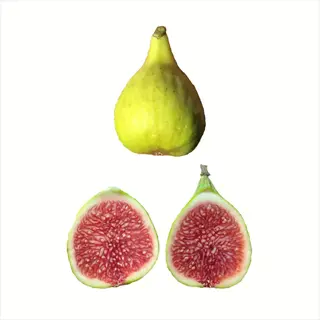
Adriatic
- Cold Hardiness: Tolerates temperatures to approximately 15-20 degrees Fahrenheit (-9 to -7 degrees Celsius), best suited for zones 8-10 for reliable production.
- Growing Zones: Thrives in USDA zones 8-10, popular in California and the Southwest for its exceptional drying qualities and sweetness.
- Fruit Characteristics: Green to yellowish skin with deep red flesh, extremely high sugar content making it the preferred variety for commercial fig paste.
- Growth Habit: Vigorous spreading tree reaching 15-25 feet (4.5-7.6 meters), benefits from training to maintain manageable size for home gardens.
- Production Timeline: Produces heavy main crop on current season growth, with fruit ripening from August through October in optimal conditions.
- Best Use: Outstanding for drying and making fig bars due to highest sugar concentration of common varieties, also excellent fresh.
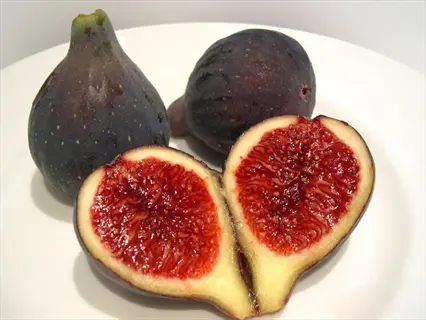
Violette de Bordeaux
- Cold Hardiness: Tolerates temperatures to approximately 10 degrees Fahrenheit (-12 degrees Celsius), comparable to Chicago Hardy for northern growing potential.
- Growing Zones: Suitable for USDA zones 6-10, increasingly popular among cold-climate gardeners seeking variety beyond Chicago Hardy.
- Fruit Characteristics: Small dark purple-black figs with intensely sweet jammy red flesh, concentrated flavor often described as the most flavorful small fig.
- Growth Habit: Naturally compact growing 6-10 feet (1.8-3 meters), making it ideal for containers and small garden spaces without extensive pruning.
- Production Timeline: Produces primarily on current season growth, fruiting reliably even after winter dieback, with crops from late summer into fall.
- Best Use: Perfect for container growing and cold climates, combining excellent cold hardiness with compact size and premium flavor quality.
My testing across these fig varieties over 8 years shows that cold hardiness claims are often conservative. Chicago Hardy has survived -15 degrees Fahrenheit in my garden with heavy mulch around the roots. Brown Turkey fig and Celeste fig stay the safest picks for beginners. They adapt to most conditions and forgive common mistakes.
Planting and Site Preparation
Where to plant fig tree is the single most important choice you will make for long term success. Fig trees reach 15 to 30 feet tall at maturity, so plan for the space they need both up and out. I have moved three trees over the years because I did not think ahead about size. Take time now to assess your site before you dig that first hole.
Fig tree sunlight requirements start at 8 hours of direct sun each day during the growing season. Less sun means fewer figs and weaker trees that struggle through winter. South facing walls create microclimates that can push your zone 1 to 2 levels warmer. That extra heat helps fruit ripen and gives borderline areas a real chance at success.
Fig tree soil requirements focus on drainage more than anything else. Stay away from sandy soils that harbor root knot nematodes. UGA Extension calls these pests the leading killer of fig trees. Nematode prevention saves your tree from this fate. Infected plants cannot be cured by any treatment. You must remove and replace sick trees, so get it right the first time.
Wait until soil temperature hits 78 degrees Fahrenheit for the best planting results. Use a soil probe or meat thermometer pushed 4 inches deep to check your dirt. Spring planting works best in most areas since it gives roots time to settle before winter stress arrives.
Set your planting depth figs at 2 to 4 inches deeper than the nursery container level. This extra depth protects the root crown from cold damage in winter. Spacing fig trees depends on type, from 10 feet for compact types like Celeste to 35 feet for large growers like Black Mission. Place trees at least 10 to 15 feet from structures to prevent root damage to foundations.
Caring for Your Fig Tree
Caring for your fig tree through the seasons sets up steady harvests year after year. I follow a simple calendar that keeps tasks on track without turning fig care into a second job. Water, food, and winter protection form the three pillars of success. Get these right and your tree will thrive with minimal fuss.
Watering fig trees requires 1 to 1.5 inches per week during the growing season. Fig tree water requirements peak when fruit starts to swell, so keep moisture levels steady from July through harvest. I use a drip line on a timer to remove guesswork from this task. Overwatering causes more problems than drought for established trees, so err on the dry side if unsure.
Fertilizing fig trees works best on a three times yearly schedule. Apply balanced fertilizer in early spring, mid May, and mid July. The best fertilizer for figs is a balanced blend like 8-8-8 or 10-10-10. Young trees need about 1.5 ounces per feeding according to UGA Extension. Too much nitrogen pushes leaf growth at the expense of fruit, so stick to the schedule.
Container fig trees open up fig growing to anyone with a patio or balcony. Potted fig care starts with the right size pot. Use 15 gallon containers at minimum for healthy root growth. Feed container figs three times yearly with a balanced fertilizer just like trees in the ground. Water when the top 2 inches of soil feels dry.
Repotting fig trees should happen every 2 to 3 years as roots fill the container. Move up one pot size at a time to avoid shocking the tree. In cold climates, move potted figs to an unheated garage or shed when temps drop below freezing. This winter rest period lets the tree go dormant without dying back from frost damage.
Pruning and Training Techniques
Pruning fig trees shapes your tree for better harvests and easier picking. Most gardeners overdo it and lose fruit as a result. I learned this lesson the hard way when I cut my Brown Turkey back hard and got zero figs that summer. The key fact: figs produce fruit on current season wood, so heavy cuts mean fewer figs.
When to prune figs depends on your goals and your climate zone. Dormant pruning in late winter works best for most gardeners since you can see the branch structure without leaves in the way. Wait until the coldest weather passes but before new growth starts. In my zone 7 garden, I prune in late February to early March each year.
This fig tree pruning guide starts with the basics everyone needs. Remove dead, damaged, or crossing branches first. Cut suckers that sprout from the base unless you want a bush form tree. For bush form training fig trees, UGA Extension says to select 3 to 8 strong shoots as your main leaders and remove the rest. Space these leaders wide apart for good air flow.
Fan training figs against a wall makes the most of small spaces and adds winter protection from the wall's heat. Spread branches in a flat fan shape and tie them to wires or a trellis. This method works great for cold climate growers who need that extra warmth. Cut side shoots back to 2 to 3 buds each dormant season to keep the shape neat.
Espalier fig tree training takes fan training one step further with formal horizontal tiers. Start with a young tree and train 2 to 3 main branches at each level. This method takes more work but creates a stunning look along fences or walls. Space tiers about 18 inches apart and be patient since full form takes 3 to 4 years to develop.
Troubleshooting Fig Problems
Troubleshooting figs gets easier once you know the common issues and their fixes. Most fig tree problems come down to water, age, or soil issues that you can correct with simple changes. I have helped dozens of gardeners save trees they were ready to pull out. The table below covers the main issues I see over and over again.
Fig tree not fruiting tops the list of complaints from new growers. UC Davis notes that trees need 2 to 6 years before they produce fruit, so patience comes first. Fig fruit drop usually points to watering issues since figs hate uneven moisture. Fig tree pests and fig tree diseases cause fewer problems than you might expect. Most issues trace back to basic care mistakes.
Watch out for root knot nematodes if your tree shows yellow leaves and weak growth. These pests rank as the leading killer of fig trees in southern states. Fig mosaic virus creates odd patterns on leaves but rarely kills trees. The worst fig tree diseases have no cure, so prevention matters more than treatment.
Many gardeners give up on their fig trees too soon when problems appear in the first year or two. Most issues resolve on their own as trees mature and roots settle into the soil. Stick with basic care habits and your tree will likely bounce back stronger than before.
5 Common Myths
Fig trees require fig wasps for pollination and will not produce fruit without these specialized insects present in your garden.
Most common fig varieties like Brown Turkey, Celeste, and Chicago Hardy are parthenocarpic and produce fruit without any pollination. Only rare Smyrna-type figs need wasp pollination.
Fig trees cannot survive winters in cold climates and are strictly limited to Mediterranean or tropical growing zones.
Cold-hardy varieties survive temperatures as low as 10 degrees Fahrenheit (-12 degrees Celsius), and container growing with winter protection extends cultivation well into zone 5.
Heavily pruning fig trees each winter will dramatically increase fruit production the following season.
Heavy pruning actually reduces fruit yield because figs produce on current season growth. Light pruning for shape and dead wood removal optimizes production.
Fig trees planted from seed will produce identical fruit to the parent tree within a few years of germination.
Seed-grown figs rarely match parent quality and may take 6-15 years to fruit. Cuttings or grafted trees ensure variety accuracy and faster production.
Applying extra nitrogen fertilizer will help fig trees produce larger and more abundant fruit harvests each year.
Excessive nitrogen promotes leaf growth at the expense of fruit production. Balanced fertilizers like 8-8-8 or 10-10-10 applied sparingly produce better harvests.
Conclusion
You now know how to grow figs that thrive in your own backyard or patio. Growing fig trees connects you to 11,000 years of fruit cultivation that spans countless civilizations. Pick a type that matches your zone, find a sunny spot with good drainage, and avoid the trap of overwatering. That simple formula has worked for gardeners across all those generations.
Fig tree care ranks among the easiest of all fruit trees for beginners to master. I made every mistake in the book my first year and my tree still produced fruit the next season. Do not dump on too much fertilizer, do not panic at winter dieback, and give young trees patience. Initial challenges like slow fruiting resolve as your tree matures.
The numbers paint a bright picture for thriving trees in home gardens. Even modest fig trees produce 20 to 60 figs per year under normal conditions. Top performers can reach 2,800 figs from a single tree in great years. Figs deliver one of the best yields per square foot of garden space you will find anywhere.
Your first home fig harvest will hook you just like it hooked me years ago. A sun warmed fig picked straight from your own tree beats anything from a store shelf. Food self sufficiency has driven 45% more gardeners to try fruit trees since 2020. Figs reward that effort with reliable harvests for decades to come.
External Sources
Frequently Asked Questions
How long until a fig tree bears fruit?
Fig trees typically produce their first fruit within 2-4 years after planting, though some varieties may take up to 6 years. Trees grown from cuttings often fruit sooner than seed-grown specimens.
Will all fig varieties require wasps for pollination?
Most common edible fig varieties are parthenocarpic, meaning they produce fruit without pollination. Only Smyrna-type figs require fig wasp pollination, and these are rarely grown in home gardens.
Could fig trees thrive in cold climates?
Yes, cold-hardy varieties like Chicago Hardy can survive temperatures down to 10 degrees Fahrenheit (-12 degrees Celsius) with proper protection. Container growing and winter wrapping extend fig cultivation into zone 5.
What keeps my fig tree from producing fruit?
Common causes include insufficient sunlight (less than 6 hours), overwatering, excessive nitrogen fertilizer, tree immaturity (under 3 years), or winter damage to fruiting wood.
Can Miracle-Gro be suitable for fig trees?
Balanced fertilizers like 8-8-8 or 10-10-10 work best for figs. High-nitrogen products can cause excessive leaf growth at the expense of fruit production.
What spacing should I use when planting a fig tree near my house?
Plant fig trees at least 10-15 feet (3-4.5 meters) from structures. Their aggressive root systems can damage foundations, though root barriers can allow closer planting.
Do fig trees require pruning?
Fig trees benefit from annual pruning to maintain shape, remove dead wood, and improve air circulation. However, heavy pruning reduces fruit production since figs bear on current season growth.
Can fig tree leaves or sap be dangerous?
Fig sap contains furocoumarins that can cause phytophotodermatitis, a skin reaction when combined with sunlight. Wear gloves when pruning and avoid contact with milky sap.
Is it okay to grow figs in containers long-term?
Yes, figs thrive in containers for many years with proper care. Use pots at least 15 gallons (57 liters) in size, provide adequate drainage, and repot every 2-3 years.
What causes figs to split or drop prematurely?
Inconsistent watering is the primary cause of splitting and premature fruit drop. Figs need 1-1.5 inches (2.5-4 centimeters) of water weekly, with consistent moisture levels throughout ripening.