
Introduction
Home grown broccoli contains far more vitamin C than heads from the grocery store. Nutrients start breaking down the moment a vegetable gets cut from its stalk. Store produce often travels for days in trucks and warehouses before it ever reaches your kitchen counter. This guide shows you how to grow broccoli: expert tips for home gardens that will help you harvest the freshest heads right from your own backyard plot.
I started growing this cool season vegetable in my garden plot about eight years ago after a trip to the farmers market. The heads on display looked great but they tasted bland and soft after cooking at home. Growing your own cool season vegetables changed things for me in a big way. Research shows that this crop thrives best between 60-75°F (15-24°C). A single 10 foot row can yield between 4 and 12 pounds of fresh heads in one season.
Many gardeners assume that home garden broccoli needs advanced skills or perfect soil to do well. The truth works out much simpler than most people think or expect. Growing this vegetable is like baking bread at home in your kitchen. You need to get timing and temperature right but the steps become clear once you learn what matters most. Beginners succeed when they pick the right variety for their climate and plant at the correct moment in the growing season.
These broccoli growing tips will walk you through every step from seed to harvest day in the garden. Fall plantings often produce bigger and tastier heads than spring crops do in the same bed. Pest pressure drops and temps cool at just the right time for solid head formation to occur. Small raised beds work just as well as large plots in the yard. You can harvest heads that taste better than anything from the local grocery store.
Best Broccoli Varieties
Picking the right broccoli varieties makes a huge difference in your harvest success each season. I learned this the hard way after planting the wrong type for my warm climate zone. Every plant bolted before forming a single head that year. The best broccoli varieties match your local weather and the time you have before temps shift. Each type offers different days to maturity that can help you plan your garden schedule.
Hybrid broccoli types give you more consistent results than heirloom options in most home gardens. Research confirms that hybrids form tighter heads with better uniformity across your row. Heat tolerant broccoli matters if you live in zones 7 or higher where spring gets warm fast. Green Magic and Imperial both handle warm spells that would cause other types to form loose or tiny heads.

Green Magic
- Days to Harvest: Ready in just 57 days from transplanting, making it one of the fastest maturing varieties available for home gardeners.
- Heat Tolerance: Performs exceptionally well in warm conditions where other varieties would bolt or form loose heads prematurely.
- Head Quality: Produces uniform, dark green heads with tight florets that maintain quality even during temperature fluctuations in spring.
- Side Shoots: Generates abundant side shoots after the main head harvest, extending your picking season by 4-6 additional weeks.
- Best For: Gardeners in warmer climates or those planting spring crops where summer heat arrives quickly after planting.
- Growing Tip: Transplant in early spring and again in mid-summer for two distinct harvests rather than a single large planting.
Arcadia
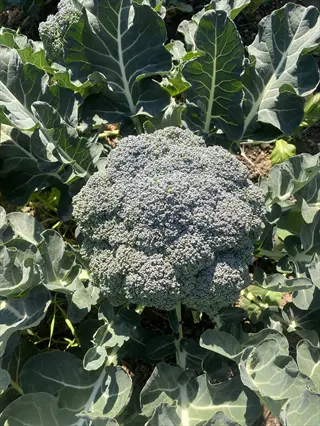
- Days to Harvest: Matures in approximately 63 days from transplanting with large, dome-shaped heads reaching 6-7 inches (15-18 centimeters) across.
- Cold Tolerance: Rated as the best cold-tolerant variety by university extensions, handling light frosts without damage to developing heads.
- Disease Resistance: Shows strong resistance to downy mildew and bacterial soft rot, reducing the need for fungicide applications.
- Head Size: Produces notably larger main heads than early varieties, making it ideal for gardeners wanting fewer plants with bigger yields.
- Best For: Fall planting in northern regions where frost arrives early and cool temperatures persist throughout the growing season.
- Growing Tip: Space plants 20-24 inches (50-60 centimeters) apart to accommodate the larger head size this variety produces.
Marathon
- Days to Harvest: A later variety maturing in 68-75 days but producing exceptionally high-quality, dense heads with fine bead texture.
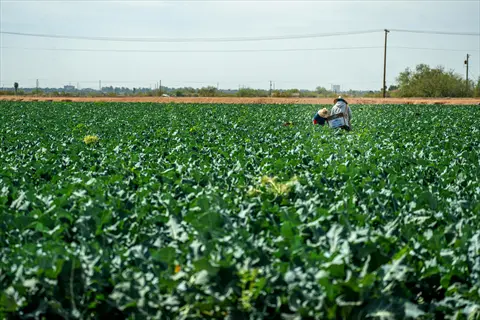
- Commercial Standard: The most widely grown variety commercially in California, proving its reliability and consistent head formation qualities.
- Storage Quality: Holds better in refrigeration than most home garden varieties, staying fresh for 10-14 days under proper conditions.
- Uniformity: Plants mature at the same rate, making harvest timing predictable for gardeners who want to process broccoli in batches.
- Best For: Gardeners who freeze or preserve their harvest and need multiple heads ready simultaneously for efficient processing.
- Growing Tip: Allow the full 75 days before harvest for maximum head density and the tight floret texture this variety is known for.

Packman
- Days to Harvest: One of the earliest varieties at just 50-55 days from transplanting, perfect for short growing seasons in spring.
- Quick Production: Forms heads rapidly once temperatures favor growth, beating the summer heat in regions with short cool seasons.
- Side Shoot Production: Exceptionally prolific side shoot producer, sometimes yielding more total weight from shoots than the main head.
- Adaptability: Performs well across a wide range of growing conditions, making it forgiving for gardeners still learning broccoli timing.
- Best For: Northern gardeners with short springs or anyone wanting the earliest possible broccoli harvest in their neighborhood.
- Growing Tip: Start seeds indoors 6-8 weeks before last frost to maximize the head size before summer temperatures arrive.
Imperial
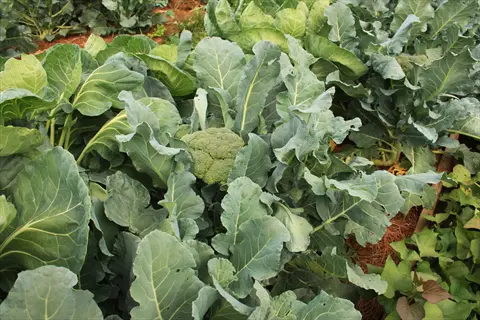
- Days to Harvest: Matures in 71 days with medium-sized heads that develop reliably even during temperature swings common in transitional seasons.
- Heat Tolerance: Rated as having the best heat tolerance of any variety tested by West Virginia University Extension researchers.
- Stress Resistance: Maintains head quality under drought stress and inconsistent watering better than most competing varieties.
- Floret Tightness: Produces exceptionally tight florets that resist opening even when harvest is delayed by a few days.
- Best For: Gardeners in southern regions or those with unpredictable weather patterns who need a forgiving, adaptable variety.
- Growing Tip: Provide afternoon shade using row covers or companion plants in climates where summer temperatures regularly exceed 85°F (29°C).
Calabrese
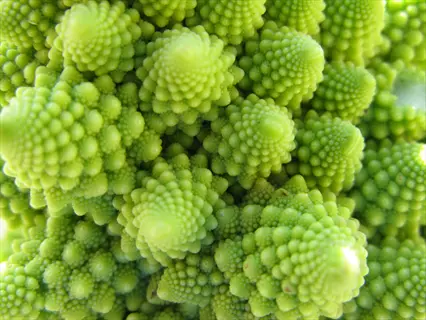
- Days to Harvest: An heirloom Italian variety maturing in 65-70 days with a distinctive flavor that many gardeners consider superior to hybrids.
- Heritage Quality: The original broccoli variety from which most modern hybrids were developed, dating back over 600 years to Italy.
- Flavor Profile: Produces heads with a sweeter, more complex flavor than hybrid varieties when grown in cool fall conditions.
- Side Shoots: Generates numerous medium-sized side shoots that continue producing for extended periods after main head harvest.
- Best For: Gardeners who prioritize flavor over uniformity and appreciate growing historic vegetable varieties in their plots.
- Growing Tip: Plant in fall rather than spring for the sweetest flavor, as cool nights concentrate sugars in the developing florets.
Your local growing conditions should guide your variety choice each season. Early types like Packman work great for gardeners who want heads fast. Marathon and Arcadia reward patient growers with bigger heads and better storage life. Pick based on your climate and goals for the best results in your garden bed.
Ideal Soil and Climate
Getting your broccoli soil requirements right sets the stage for everything else in the growing process. I think of this cool weather crop like a fussy office worker who wants the thermostat set to a comfortable 68°F (20°C). Hot summer patio temps above 86°F (30°C) cause stress that stops head formation cold. Night temps above 77°F (25°C) create the same problem for your plants.
The soil pH broccoli needs falls in the 6.0 to 6.8 range for good reason. This sweet spot unlocks calcium, nitrogen, and other key nutrients your plants need to form tight heads. Soil that runs too acidic or too alkaline locks up those nutrients even when they exist in the ground. A simple $15 test kit from the garden center tells you where your soil stands before planting day.
Your broccoli temperature goals shift based on your location and the season you choose to plant. Gardeners in the Northeast and Pacific Northwest can often grow through summer without heat stress issues. Southern growers should focus on fall and early spring when growing conditions stay cool enough for head formation. The table below shows the exact ranges that research has found to work best for this crop.
Planting and Spacing Guide
Proper broccoli spacing gives each plant room to spread its leaves and form full heads without fighting its neighbors. I once crammed plants too close and ended up with tiny heads the size of golf balls instead of the big crowns I wanted. Iowa State research shows that plants need 18-24 inches (45-60 cm) apart within rows. Keep rows 24-36 inches (60-90 cm) apart for easy access during harvest.
Seed starting broccoli indoors works great for spring crops that need a head start on the season. Start seeds 6-8 weeks before your last frost date for spring planting success. Fall crops get started 85-100 days before the first expected frost in your area. I mark these dates on my calendar each year so transplanting broccoli happens at the right time.
The hardening off step trips up many gardeners who skip it or rush through too fast. Your indoor seedlings need 7-10 days to adjust to outdoor conditions before planting broccoli in the garden. This simple process prevents transplant shock that can stunt growth for weeks. The steps below walk you through each stage from seed to soil.
Start Seeds Indoors
- Timing: Begin 6-8 weeks before your last expected frost date for spring crops or 14-16 weeks before first frost for fall harvests.
- Seed Depth: Plant seeds one quarter inch (6 millimeters) deep in sterile seed-starting mix kept consistently moist but never waterlogged.
- Temperature: Maintain soil temperature between 70-75°F (21-24°C) for fastest germination in about 5-10 days.
- Light Needs: Provide 12-16 hours of bright light daily using grow lights positioned 2-4 inches (5-10 centimeters) above seedling tops.
Harden Off Transplants
- Duration: Begin the hardening process 7-10 days before your planned outdoor transplant date to reduce transplant shock significantly.
- Gradual Exposure: Start with 1-2 hours of outdoor shade, increasing sun exposure and duration daily until seedlings tolerate full conditions.
- Temperature Acclimation: Expose seedlings to cooler nighttime temperatures gradually, bringing them indoors if frost threatens during hardening.
- Wind Conditioning: Place seedlings in a lightly breezy location to strengthen stems before they face full outdoor wind conditions.
Prepare the Garden Bed
- Soil Depth: Till or loosen soil 8-10 inches (20-25 centimeters) deep to encourage strong root development and improve drainage.
- Amendments: Mix 3-4 pounds (1.4-1.8 kilograms) of balanced 5-10-10 fertilizer per 100 square feet (9 square meters) before planting.
- pH Adjustment: Test soil pH and add lime if below 6.0 or sulfur if above 7.0 several weeks before transplanting for best results.
- Drainage Check: Ensure water drains within a few hours after heavy rain; raised beds help in areas with heavy clay soil.
Transplant Seedlings Outdoors
- Spacing Pattern: Set plants 18-24 inches (45-60 centimeters) apart within rows and maintain 24-36 inches (60-90 centimeters) between rows.
- Planting Depth: Bury stems up to the first set of true leaves to encourage additional root development along the buried stem.
- Watering In: Immediately water transplants with a dilute liquid fertilizer solution to reduce shock and encourage root establishment.
- Timing: Transplant on a cloudy day or in late afternoon to reduce sun stress on newly planted seedlings adjusting to outdoor conditions.
Watering and Feeding Schedule
Watering broccoli the right way makes the difference between fat heads and small buttons that form too early. This heavy feeder drinks up a lot of water compared to other garden vegetables you might grow. I learned this lesson when my first crop produced marble sized heads after a dry spell I thought would not matter. Plants need at least 1 inch (2.5 cm) of water each week through rain or your hose.
Fertilizing broccoli follows a clear broccoli feeding schedule that changes as plants grow through each stage. Start with a nitrogen fertilizer boost early to push leaf growth that feeds head formation later on. Cut back on nitrogen once heads start forming or you might delay your harvest by weeks. The table below shows what to do each week from transplant to picking day.
Consistent moisture prevents the stress that causes small heads and bitter flavor in your crop. I check my plants every other day during hot spells and water deeply when the top inch of soil feels dry. A thick layer of mulch around each plant helps hold moisture between watering sessions all season long.
Pest Prevention and Control
Broccoli pests can ruin a crop fast if you do not catch them early and act right away. Cabbage worms ate through an entire row of my plants in just two weeks before I knew what was happening that first season. Prevention works better than treatment for most broccoli pest problems in the home garden. A floating row cover installed at transplant time blocks the majority of insects before they ever touch your plants.
Aphids broccoli growers face tend to hide on the undersides of leaves where you might not spot them at first glance. Flea beetles leave tiny round holes in foliage that make leaves look like someone shot them with a BB gun. Organic pest control methods handle both of these problems without harsh chemicals that you do not want near your food crops. The list below covers the main threats and how to stop each one in your garden beds.
Fall crops face fewer pest issues than spring plantings because bug populations drop as temps cool down each year. I grow most of my plants in fall now after dealing with constant pest battles during spring seasons in the past. This timing shift cut my pest problems by more than half without any extra sprays or treatments needed.
Cabbage Worms and Loopers
- Identification: Look for green caterpillars with faint yellow stripes feeding on leaves, leaving ragged holes and dark droppings behind.
- Prevention: Install floating row covers immediately after transplanting before white butterflies can lay eggs on your plants.
- Organic Control: Apply Bacillus thuringiensis (Bt) spray weekly during active feeding, targeting the undersides of leaves thoroughly.
- Hand Picking: Check plants every 2-3 days and remove visible caterpillars by hand, dropping them into soapy water.
Aphids
- Identification: Small gray-green insects clustering on undersides of leaves and in developing heads, leaving sticky honeydew residue.
- Prevention: Encourage beneficial insects like ladybugs and lacewings by planting dill, yarrow, and fennel nearby as companion plants.
- Organic Control: Spray affected plants with strong water jets to dislodge aphids, or apply insecticidal soap directly to colonies.
- Early Detection: Check new growth weekly since aphids prefer tender tissue and can multiply rapidly in warm weather.
Flea Beetles
- Identification: Tiny black jumping beetles that create numerous small round holes in leaves, giving foliage a shot-hole appearance.
- Prevention: Use row covers during the first month after transplanting when young plants are most vulnerable to feeding damage.
- Organic Control: Apply diatomaceous earth around plant bases when dry, reapplying after rain or irrigation washes it away.
- Trap Cropping: Plant radishes nearby as a sacrificial crop since flea beetles often prefer radish leaves over broccoli.
Cabbage Root Maggots
- Identification: Plants wilt despite adequate water, and pulling reveals small white maggots feeding on roots below soil surface.
- Prevention: Place paper or cardboard collars around transplant stems at soil level to prevent adult flies from laying eggs nearby.
- Crop Rotation: Wait 3-4 years before planting brassicas in the same location to break the pest life cycle in that soil.
- Timing Strategy: Plant fall crops to avoid peak root maggot activity that typically occurs during spring months.
Harvesting for Best Flavor
Knowing when to harvest broccoli takes some practice but the signs become clear once you learn what to look for in your garden. The broccoli head size you want falls in the 6-7 inch (15-18 cm) range with tight florets that show a deep blue green color. Wait too long and yellow flowers start to open which signals that prime harvest time has passed. I check my plants every single day once heads start forming to catch that perfect window.
Timing your harvest broccoli pickup is a lot like picking ripe fruit from a tree. A small window exists when flavor hits its peak and texture feels just right in your mouth after cooking. The outer florets will start to loosen a bit while the center stays tight and compact on a perfect head. Cut when you see this pattern and you get the best taste your plants can offer.
Morning offers the ideal time to cut heads from your plants for maximum flavor and crunch. Cool night temps let sugars build up in the florets that would turn to starch in afternoon heat after the sun warms things up. I harvest before 8 AM on most days and bring heads straight to the kitchen sink for a quick rinse and trim.
Cut the main stalk about 5-6 inches below the head at an angle so water runs off and does not pool on the cut surface. This angled cut helps prevent rot that can work its way down into the plant after harvest day. Leave the rest of the plant in the ground because your second harvest comes from side shoots that form after you remove the main crown.
Side shoots pop up from the leaf joints within a week or two after you take the main head from each plant. These smaller florets taste just as good and extend your harvest by 4-6 weeks if you keep picking them as they reach usable size. I get about a pound of extra produce from each plant this way over the rest of the growing season.
Store your harvest in the fridge right away to lock in that fresh picked flavor and crisp texture you worked hard to grow. Loose plastic bags with a few holes punched in them keep heads fresh for 5-7 days without getting slimy or soft. Blanch and freeze any extra for use during winter when fresh garden produce becomes a distant memory in your kitchen.
5 Common Myths
Broccoli is too difficult for new gardeners to grow successfully in their first vegetable garden season.
Broccoli succeeds for beginners who choose heat-tolerant varieties like Green Magic, plant in fall, and maintain consistent watering throughout the growing period.
You must start broccoli from seeds indoors to get a good harvest from your plants.
Purchasing nursery transplants works perfectly well and actually gives beginners a head start, especially for spring planting when timing is critical.
Broccoli plants stop producing after you harvest the main head from each plant.
After cutting the main head, plants continue producing smaller side shoots for 4-6 weeks, significantly extending your total harvest yield.
Broccoli needs constant warm temperatures throughout the entire growing season to form proper heads.
Broccoli actually requires cool temperatures between 60-75 degrees Fahrenheit (15-24 degrees Celsius) and struggles to form heads when temperatures exceed 86 degrees Fahrenheit (30 degrees Celsius).
Yellow flowers appearing on broccoli heads means the entire plant is ruined and should be removed.
Yellow flowers indicate the head is past peak quality but remains edible with a slightly bitter taste, and the plant will still produce side shoots worth harvesting.
Conclusion
You now have all the broccoli growing tips you need to grow broccoli in your own backyard this season. Success comes down to four key factors that we covered in this guide. Pick a variety that matches your climate zone and weather patterns for the best chance at big heads. Time your planting right so plants form heads during cool weather instead of summer heat.
Consistent watering and early pest control round out the basics for any home garden broccoli crop. These cool season vegetables reward gardeners who pay attention to the small details each week. Fall plantings often work better than spring for those in warm climates where summer arrives fast. Try a fall crop first if past spring attempts left you with small or bitter heads.
Start with one or two transplants from your local nursery to build skills first. Nursery starts give beginners a head start over seeds and cut the chance of timing mistakes. Your vegetable gardening skills grow with each crop you plant. Once you harvest your first tight green head from the garden, you will want to grow more every season.
Home grown heads contain far more vitamin C than store bought options because nutrients fade fast after harvest. Your garden broccoli travels from soil to plate in minutes instead of days. That fresh taste and nutrition boost makes all the effort worth it when you sit down to eat what you grew yourself.
External Sources
Frequently Asked Questions
What is the best way for beginners to grow broccoli?
Start with transplants rather than seeds, choose a heat-tolerant variety like Green Magic, plant in fall for easier success, and provide consistent moisture and full sun.
How many broccoli heads can one plant produce?
One plant produces one main head plus multiple smaller side shoots after the main harvest, extending your yield over several weeks.
Which mistakes should you avoid when planting broccoli?
Common mistakes include:
- Planting too late in spring when heat arrives
- Spacing plants too close together
- Inconsistent watering that stresses plants
- Skipping hardening off transplants
- Ignoring pest protection from the start
Does broccoli require full sunlight?
Broccoli grows best with 6-8 hours of direct sunlight daily, though it tolerates light afternoon shade in hot climates.
Is it possible to grow broccoli in containers?
Yes, broccoli grows well in containers at least 18 inches (45 centimeters) deep and wide with drainage holes and nutrient-rich potting mix.
Which plants harm broccoli growth?
Plants that compete or attract pests include:
- Strawberries that compete for nutrients
- Tomatoes that share common pests
- Pole beans that may shade broccoli
- Other brassicas that deplete similar nutrients
- Mustard greens that attract the same pests
What is the best way to store freshly harvested broccoli?
Wrap unwashed heads loosely in damp paper towels, place in a perforated plastic bag, and refrigerate for 3-5 days at 32 degrees Fahrenheit (0 degrees Celsius).
What causes broccoli to form small, loose heads?
Small, loose heads result from heat stress above 86 degrees Fahrenheit (30 degrees Celsius), inconsistent watering, poor soil nutrition, or planting too late in the season.
What is the ideal time to plant broccoli?
Plant transplants in early spring 2-3 weeks before the last frost, or in mid to late summer for a fall harvest 85-100 days before the first frost.
Can coffee grounds be beneficial for broccoli?
Used coffee grounds add nitrogen and improve soil structure when composted first, but fresh grounds can be too acidic and should be applied sparingly.