
Introduction
Warm blueberries picked fresh from your own garden taste better than anything from a store. This guide covers how to grow blueberries: 7 essential steps for success. It will show you the proven path to a thriving berry patch that keeps producing for many decades to come with the right approach.
I planted my first bushes over 15 years ago and they still produce 5-10 pounds of fruit each season without fail. These plants can live over 50 years with good blueberry bush care done the right way. That makes them one of the best home garden fruit choices you can make for your backyard or any sunny spot on your property today.
Most gardeners quit because they want fruit right away and get disappointed when nothing shows up fast enough for them. These plants need 2-3 years before you see real harvests worth talking about to your friends or family members. Think of them like a savings account that pays you back for decades once the roots take hold in the ground below. The wait is worth every minute once those berries start rolling in each summer morning when you walk outside with a bowl ready.
Success comes down to knowing what these plants want and giving it to them from the very start of the growing process. Acidic soil blueberries need pH levels between 4.0 and 5.5 to thrive and produce well each year without problems. Most garden soil falls outside this range without some careful work on your part ahead of time. Get the pH right and the rest of the growing process becomes much simpler than you might expect it to be. The steps ahead will guide you through each part of the journey from soil prep all the way to your first big harvest basket full of ripe sweet berries.
7 Steps to Grow Blueberries
These 7 steps cover what you need to know about planting blueberry bushes the right way from day one. I made many mistakes over the years before I found this process. It works every time for me and dozens of other gardeners I have helped along the way.
Each step builds on the one before it, so start with soil testing and work your way through in order. Skipping ahead often causes problems that are hard to fix later. Getting your blueberry soil pH right from the start makes everything else easier. Proper blueberry plant spacing comes next. Then mulching blueberries and setting up a solid watering schedule fall into place.

Test and Amend Your Soil pH
- Why It Matters: Blueberries require acidic soil with pH between 4.0 and 5.5, with the optimal range being 4.5 to 5.0 according to Penn State Extension research.
- Testing Method: Purchase a soil test kit from your local extension office or garden center, taking samples from multiple locations where you plan to plant your blueberry bushes.
- Lowering pH: Apply elemental sulfur to lower soil pH, using about 1 pound (0.45 kilograms) per 100 square feet (9.3 square meters) to lower pH by 0.5 points in sandy soil.
- Timeline: Amend soil 6-12 months before planting when possible, as sulfur requires time and microbial activity to acidify soil.
- Avoid Shortcuts: Do not use coffee grounds for acidification; University of Minnesota Extension warns against this common misconception as brewed grounds have neutral pH.
- Ongoing Monitoring: Test soil pH each year and reapply sulfur as needed, since irrigation water and natural processes raise pH levels over time.

Choose the Right Location
- Sunlight Requirements: Select a site receiving minimum 8 hours of direct sunlight each day, as low light reduces fruit production and increases disease risk.
- Drainage Check: Ensure the location has soil that drains well; blueberries have surface root systems that rot fast in waterlogged conditions despite needing consistent moisture.
- Wind Protection: Choose a spot with some protection from strong winds, which can damage brittle branches and interfere with pollinator activity during flowering.
- Spacing Considerations: Plan for mature plant size by allowing 6-8 feet (1.8-2.4 meters) between highbush varieties within rows and 10 feet (3 meters) between rows.
- Avoid Problem Areas: Keep blueberries away from black walnut trees (toxic to most fruit plants) and areas where tomatoes, peppers, or eggplants grew due to shared disease risks.
- Microclimate Benefits: South facing slopes offer warmer soil in spring for earlier growth, while avoiding low frost pockets protects spring blossoms from late freezes.
Select Compatible Varieties
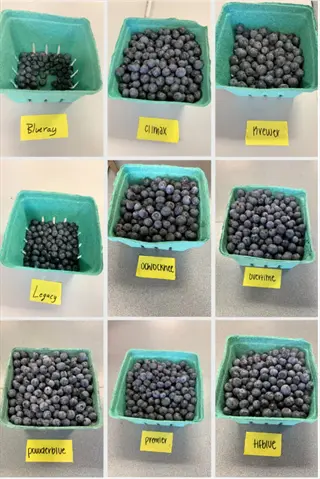
- Cross Pollination Benefits: Plant at least 2-3 different varieties that bloom at similar times, as cross pollination produces larger berries and higher yields even in self fruitful types.
- Climate Matching: Choose varieties suited to your USDA hardiness zone; northern highbush types thrive in zones 4-7 while rabbiteye varieties prefer zones 7-9.
- Harvest Timing: Select early, mid, and late season varieties to extend your harvest window from June through August rather than harvesting everything at once.
- Size Considerations: Consider mature plant dimensions when selecting varieties; some reach 6-8 feet (1.8-2.4 meters) tall while compact cultivars stay under 4 feet (1.2 meters).
- Disease Resistance: Prioritize varieties with documented resistance to common problems like mummy berry and phomopsis canker, in humid climates most of all.
- Proven Performers: Popular northern highbush selections include Bluecrop (reliable mid season), Duke (early with excellent flavor), and Jersey (late season heavy producer).
Plant at the Proper Depth
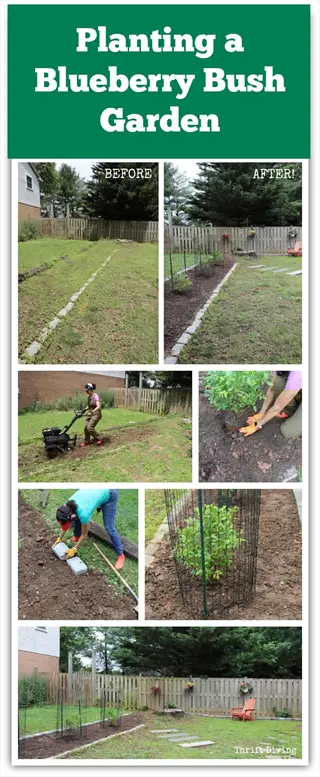
- Timing Recommendation: Plant in early spring as soon as soil becomes workable, or in fall at least 6 weeks before the first expected frost to allow root establishment.
- Root Preparation: Soak bare root plants in water for 3-6 hours before planting; loosen circling roots on container grown plants to encourage outward growth.
- Hole Dimensions: Dig planting holes twice as wide as the root ball but only as deep as the container, setting plants at the same depth they grew before.
- Soil Amendment: Mix native soil with peat moss or sulfur treated compost when backfilling, creating an acidic root zone that extends beyond the original root ball.
- Spacing Guidelines: Position highbush varieties 5-6 feet (1.5-1.8 meters) apart for hedgerow planting or 6-8 feet (1.8-2.4 meters) apart for individual specimens.
- Post Planting Care: Water well right after planting to settle soil around roots and eliminate air pockets that cause root problems.
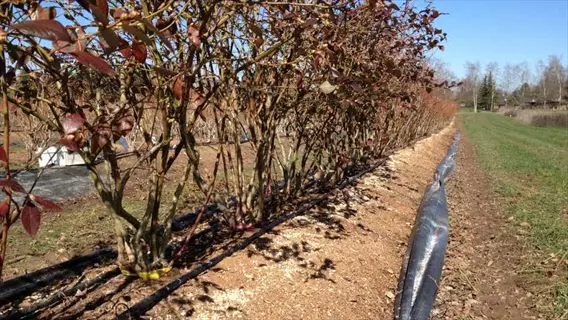
Apply Acidic Mulch
- Mulch Depth: Apply 2-4 inches (5-10 centimeters) of acidic mulch around plants, keeping material several inches away from stems to prevent bark diseases.
- Best Materials: Use pine needles, wood chips from conifers, or aged sawdust; these materials maintain acidic conditions while breaking down over time.
- Root Protection: Mulching protects the near surface blueberry root system from temperature swings, as roots grow within the top 6-8 inches (15-20 centimeters) of soil.
- Moisture Retention: A proper mulch layer reduces watering needs by 30-50% while maintaining the moist conditions blueberries require.
- Weed Suppression: Thick mulch eliminates competition from weeds that would otherwise compete for nutrients and water with the surface level blueberry root system.
- Annual Refresh: Add 1-2 inches (2.5-5 centimeters) of fresh mulch each spring as previous layers break down, maintaining the 2-4 inch (5-10 centimeter) total depth.
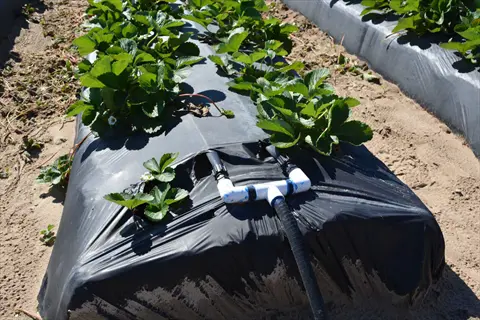
Establish a Watering Routine
- Weekly Requirements: Provide 1 inch (2.5 centimeters) of water each week during the growing season through rainfall or irrigation, measuring with a rain gauge for accuracy.
- Fruiting Increase: Increase watering to 4 inches (10 centimeters) each week during fruit development and ripening, as berry quality depends on adequate moisture.
- Ideal Method: Use drip irrigation or soaker hoses to deliver water to the root zone while keeping foliage dry, reducing disease pressure in a big way.
- Moisture Level Check: Soil should feel like a wrung out sponge: moist but not waterlogged, as both drought stress and waterlogging damage the sensitive root system.
- Water Quality Matters: Test irrigation water pH, as alkaline water raises soil pH over time; consider collecting rainwater for blueberry irrigation when possible.
- Mulch Connection: Proper mulching combined with consistent watering creates the ideal moisture environment that mimics blueberries' natural forest edge habitat.
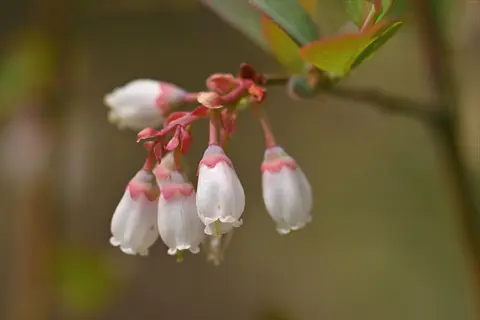
Remove First Year Blossoms
- Counterintuitive Wisdom: Pinch off all flower buds during the first year and most during year two, directing plant energy toward root development rather than fruit production.
- Long Term Payoff: Plants with established root systems produce larger harvests by year 5-6 compared to those allowed to fruit right after planting.
- Year by Year Guide: Remove 100% of blossoms in year one, 50-75% in year two, and 25% in year three according to Penn State Extension recommendations.
- Timing Window: Remove flower clusters as soon as they appear in early spring, before the plant invests energy into developing fruit that will be removed anyway.
- Root Development: First year plants need to establish a strong root system that will support decades of production; fruiting takes away energy from this critical foundation.
- Patience Reward: Following this protocol results in healthier, more vigorous plants that reach full production faster and maintain productivity for their 50+ year lifespan.
Choosing the Right Variety
Picking the best blueberry varieties for your garden depends on your climate zone and when you want to harvest. I wasted money on plants that died in my first few winters before I learned this lesson. Now I match every plant to my zone 5 conditions and get fruit every single year without fail.
Northern highbush blueberries work best in zones 4-7 and produce 9-15 pounds per bush at full maturity. Southern highbush types handle warmer climates in zones 5-10. Rabbiteye blueberries thrive in zones 7-9 where winters stay mild. Pick the right blueberry cultivars for your zone and your plants will thrive for decades.
Cold hardy varieties handle extreme winter weather. Northblue can survive temps down to minus 35 degrees Fahrenheit. If your winters hit hard, these types will make it when others fail. Legacy stands out as a heavy producer that reaches up to 21 pounds per bush. Plant 2-3 cultivars that bloom together for better pollination.
Mix early, mid, and late season types to spread your harvest across 2-3 months instead of getting all berries at once. You can pick fresh fruit from June through August in most growing areas.
Preparing Acidic Soil
Getting your blueberry soil pH right is the single most important step in growing healthy plants. I killed my first batch of bushes because I skipped soil testing and just hoped for the best. Now I test every spring and adjust as needed to keep my pH between 4.0 and 5.5 where these plants thrive.
Acidic soil blueberries need conditions that most garden plants would hate. If your pH goes above 5.5, your bushes will show yellow leaves and slow growth. They may even die within a year or two. Penn State Extension says skip blueberries if your native soil pH sits above 6.2 because fixing that much takes too much work.
Sulfur for blueberries works best when you apply it 6-12 months before planting. This gives soil bacteria time to break down the sulfur and lower your pH. Amending soil takes patience but pays off big. Peat moss blueberries love can also bring pH down and makes soil drain better at the same time.
Elemental Sulfur Application
- Best Choice: Elemental sulfur is the most effective and cheap method for lowering soil pH, though it requires soil temps above 55 degrees Fahrenheit (13 degrees Celsius) and microbial activity to work.
- Application Rate: Apply 0.5-1.0 pounds (0.23-0.45 kilograms) per 100 square feet (9.3 square meters) to lower pH by about 0.5 points in sandy soil; clay soils require up to twice this amount.
- Timing Requirement: Apply sulfur 6-12 months before planting for best results, as the acidification process happens step by step through bacterial conversion in the soil.
- Multiple Applications: For big pH reduction (more than 1.0 point), split applications over two or more seasons rather than applying all at once to avoid shocking soil organisms.
Peat Moss Incorporation
- Dual Benefits: Sphagnum peat moss both acidifies soil and improves its structure, creating the loose, well drained yet moisture holding conditions blueberries prefer.
- Application Method: Mix 4-6 inches (10-15 centimeters) of peat moss into the top 12 inches (30 centimeters) of soil across the entire planting area, not just individual holes.
- pH Effect: Peat moss has a pH of about 3.5-4.5, providing quick mild acidification while sulfur applications work more over time in the background.
- Sustainability Note: Consider coco coir mixed with sulfur as an option to peat moss, though it requires extra acidification since coir has neutral pH.
Raised Bed Strategy
- When Needed: Create raised beds filled with acidic soil mix when native soil has pH above 6.2 or contains heavy clay that resists amendment.
- Bed Construction: Build beds at least 18 inches (46 centimeters) deep and 4 feet (1.2 meters) wide to fit the surface spreading blueberry root system.
- Soil Recipe: Fill with a mixture of 50% peat moss or pine bark, 30% native topsoil, and 20% compost, testing and adjusting pH before planting.
- Maintenance Advantage: Raised beds make ongoing pH management easier since you control the entire root zone rather than fighting against alkaline native soil.
Avoiding Common Mistakes
- Coffee Grounds Warning: University of Minnesota Extension says not to use coffee grounds for acidification; brewed grounds have near neutral pH and do not lower soil acidity.
- Aluminum Sulfate Caution: While aluminum sulfate works faster than elemental sulfur, it can reach toxic aluminum levels with repeated applications and is not safe for edible gardens.
- Testing Frequency: Test soil pH at least once per year in spring, as irrigation water, rainfall, and organic matter breaking down all affect pH levels through the growing season.
- Patience Required: Accept that proper soil prep takes time; rushing the process with too many amendments creates more problems than it solves.
Seasonal Blueberry Care
Good blueberry plant care follows a seasonal gardening schedule that changes with the weather. I keep a simple calendar on my fridge that tells me what to do each month. This approach has kept my bushes healthy for over 15 years while neighbors struggle with plants that die after just a few seasons.
Your blueberry maintenance tasks spread across the whole year from spring to winter. You want fertilizing blueberries done in March. Use ammonium sulfate fertilizer for best results. Adding organic mulch each spring protects your roots and feeds the soil over time.
The calendar below breaks down exactly what to do and when to do it for each season. Follow these tasks and your bushes will produce 5-10 pounds of berries each year for decades to come.
Spring Care Tasks (March-May)
- Early Spring Fertilizing: Apply acidifying fertilizer such as ammonium sulfate at bud break (March), using 1 ounce (28 grams) per year of plant age up to 8 ounces (227 grams) max for mature plants.
- pH Testing: Test soil pH in early spring before active growth begins, making sulfur applications if pH has risen above 5.0 over the winter months.
- Mulch Refresh: Add 1-2 inches (2.5-5 centimeters) of fresh acidic mulch to maintain the 2-4 inch (5-10 centimeter) total depth, keeping material away from plant stems.
- Pest Monitoring: Begin checking for scale insects on dormant canes and early signs of mummy berry disease on emerging shoots and flower clusters.
Summer Care Tasks (June-August)
- Increased Watering: Boost irrigation to 4 inches (10 centimeters) each week during fruit growth, as berries are about 85% water and quality depends on consistent moisture.
- Bird Protection: Install netting before berries begin coloring, securing edges all the way around since birds learn fast to find gaps in loose netting.
- Harvest Timing: Begin picking when berries pop off with gentle pressure, waiting 3-6 days after berries turn blue for max sweetness.
- Second Fertilizer Application: Apply a second dose of fertilizer in early summer if plants show pale leaves, splitting the total year amount between spring and summer.
Fall Care Tasks (September-November)
- Cease Fertilizing: Stop all fertilizer applications by late summer to allow plants to harden off before winter dormancy begins.
- Deep Watering: Continue watering until the ground freezes, ensuring plants enter winter with adequate moisture in their root systems.
- Clean Up Debris: Remove fallen leaves and any mummified berries from around plants to reduce disease pressure in the following growing season.
- Winter Preparation: Apply extra mulch to protect surface roots from freeze thaw cycles, for plants in exposed locations most of all.
Winter Care Tasks (December-February)
- Dormant Pruning: Prune during late winter dormancy (February to March), removing dead, damaged, and crossing branches before new growth begins.
- Cane Management: Remove canes older than 6 years that produce smaller berries, maintaining a mix of cane ages for optimal production.
- Planning Ahead: Order new varieties for spring planting, selecting cultivars that will cross pollinate with existing plants for improved yields.
- Snow Protection: In heavy snow regions, brush off accumulation to prevent branch breakage, though light snow cover provides insulation for root systems.
Pruning for Maximum Yields
Pruning blueberry bushes makes a huge difference in your harvest size. Many gardeners fear this task but the results speak for themselves. I avoided it for years and my yields dropped each season. Now I prune every winter and my bushes pump out more berries than ever on healthy productive canes.
Think of your bush like a cane factory where you keep the best workers and retire the old ones. When to prune blueberries matters a lot. Do your dormant pruning in late winter from February to March before new growth starts. This timing gives you clear sight lines to see which branches need to go.
Renewal pruning keeps fresh canes coming in as old ones age out. Blueberry cane removal targets branches older than 6 years that no longer produce well. Most home gardeners fail with blueberries because they skip pruning. Experts say this ranks as the top mistake people make.
Cane Productivity Basics
- Cane Age Matters: Blueberry fruit grows on 1 year old wood from older canes, with 5 year old canes being the most productive according to University of Maryland Extension.
- Production Decline: Canes older than 6 years produce smaller berries and lower yields, making regular removal of aging canes key for maintaining quality.
- Renewal Cycle: A healthy mature bush should contain 15-20 canes of varying ages, with 2-3 new canes growing each year to replace those being removed.
- Visual ID: Younger canes have smooth, reddish bark while older canes develop gray, flaky bark; learn to identify cane age by look for efficient pruning.
Annual Pruning Protocol
- Timing Window: Prune during late winter dormancy (late February through early March) before buds begin swelling, when cane structure is most visible.
- Step One: Remove all dead, damaged, and diseased canes first, cutting back to healthy wood or removing at ground level as needed.
- Step Two: Cut out weak, spindly growth and any canes crossing through the center of the bush that create crowding and reduce air flow.
- Step Three: Remove 1-2 of the oldest canes (6+ years) each year, cutting at ground level to encourage new cane growth from the base.
Rejuvenating Neglected Bushes
- Gradual Approach: Renovate overgrown, neglected bushes over 2-3 years rather than removing all old growth at once, which stresses plants too much.
- Year One: Remove one third of the oldest, least productive canes at ground level and thin out too much twiggy growth throughout the plant.
- Year Two: Remove another third of old canes and begin shaping the plant by heading back too tall canes to encourage branching.
- Year Three: Complete renovation by removing remaining old canes and fine tuning plant shape for optimal light and air flow.
Common Pruning Mistakes
- Over Pruning Young Plants: Avoid heavy pruning on plants under 4 years old; focus on removing only dead or damaged growth while the plant builds up.
- Ignoring Pruning: The most common mistake is never pruning at all, leading to falling yields, smaller berries, and tangled unhealthy plants.
- Wrong Timing: Pruning during active growth or fall removes growing flower buds and wood needed for next season's crop, cutting yields a lot.
- Topping All Canes: Cutting all canes to the same height removes the most productive fruiting wood and creates weak, brush like regrowth.
Harvesting Ripe Blueberries
Harvesting blueberries rewards you for years of careful work. The payoff is fresh berries from your own garden. When to pick blueberries matters more than most people think for flavor. Ripe blueberries reach peak sweetness 3-6 days after turning blue so timing is key. I pick mine every few days during the season to catch each berry at its best.
Your blueberry yield per plant grows each year as bushes mature. In the early years you get small amounts while roots build up strength. By year 5-6 you can expect 5-10 pounds per bush from healthy plants. Some varieties under ideal blueberry production conditions can yield up to 21 pounds per bush. The table below shows what to expect at each stage of growth.
Storing blueberries right after picking keeps them fresh longer. Put unwashed berries in the fridge and they will last 1-2 weeks with good flavor. Freeze extras within a day or two of picking for the best taste. The reward for all your patience truly arrives when you taste that first ripe berry straight from your own bush.
5 Common Myths
Coffee grounds effectively acidify soil for blueberries and make excellent fertilizer for acid-loving plants.
Coffee grounds have near-neutral pH after brewing and do not significantly acidify soil; use elemental sulfur or peat moss for reliable pH adjustment.
Blueberry bushes are self-pollinating and only need one plant to produce a full harvest of berries.
While some varieties are self-fruitful, cross-pollination between different varieties produces significantly larger berries and increases overall yields.
Blueberries need constant watering and thrive in wet, swampy conditions like their wild counterparts.
Blueberries require consistently moist but well-drained soil; waterlogged roots lead to root rot and plant death within one growing season.
You can harvest blueberries as soon as they turn blue since color indicates full ripeness.
Berries reach maximum sweetness 3-6 days after turning blue; wait until they detach easily from the stem for best flavor.
Blueberry plants produce fruit immediately after planting and provide harvests within the first year.
Blueberries require patience with minimal fruit during years 1-3; full production begins around year 5-6 as plants establish mature cane systems.
Conclusion
You now have all the blueberry gardening tips you need to grow blueberries successfully in your own backyard. The 7 steps work together to give your plants what they need from day one. Acidic soil management stands out as the most important piece of the puzzle. Get your pH right and everything else falls into place much easier.
The wait for homegrown blueberries takes patience but the payoff lasts decades. Those first 2-3 years of waiting while your bushes build roots might test you. But once they hit full production you will enjoy 5-10 pounds of berries every year for 50 years or more. Few garden investments return that much value for that long.
Your first real blueberry harvest will make all the work worthwhile. Nothing from a store compares to berries picked warm from your own bushes on a summer morning. Follow these steps and that moment will arrive sooner than you think. Start your soil testing today and your future self will thank you every harvest season.
External Sources
Frequently Asked Questions
What is the best way for beginners to grow blueberries?
Start by testing your soil pH and amending it to reach 4.0-5.5 acidity, then select 2-3 compatible varieties for your climate zone.
How long does a blueberry bush usually take to produce fruit?
Blueberry bushes typically produce minimal fruit in years 1-3, with full production beginning around year 5-6.
Is it better to plant blueberries in pots or ground?
Both methods work well, though ground planting supports larger root systems while containers allow better pH control.
Which location is best for planting blueberry bushes?
Plant blueberries in a location with full sun (8+ hours daily), well-drained acidic soil, and protection from strong winds.
What makes blueberry bushes so hard to grow?
Most failures stem from improper soil pH, as blueberries require acidic conditions that differ from typical garden soil.
What is the best way to encourage my blueberry bushes to produce fruit?
Ensure proper pollination with multiple varieties, maintain acidic soil, prune annually, and provide consistent moisture.
Is it possible to grow blueberries in a 5 gallon bucket?
A 5 gallon (19 liter) bucket is too small for most varieties; use containers of at least 15-20 gallons (57-76 liters) instead.
Do blueberries require coffee grounds?
Coffee grounds are not recommended for acidifying blueberry soil; use elemental sulfur or peat moss instead for reliable results.
What matters most for growing blueberries?
The key to blueberry success is maintaining soil pH between 4.0-5.5 through regular testing and proper amendments.
How frequently should I water blueberries?
Water blueberries to maintain consistently moist soil, typically 1 inch (2.5 centimeters) weekly during growing season, increasing to 4 inches (10 centimeters) during fruit ripening.