
Introduction
Nothing beats the moment you pull a fresh beet from the soil and see that deep red root with its crown of vibrant greens ready to eat. The earthy smell of good garden soil and the bright colors make all your hard work worth the effort you put in each week. This guide shows you How to Grow Beets: Expert Tips for Sweet Roots & Vibrant Greens with advice from real hands on practice in the garden over many seasons. Beets give you two vegetables for the price of one seed that you plant in the soil. Both the roots and the greens taste great and pack plenty of nutrients for your family dinner table every night of the week.
I started growing beets about 8 years ago after I got tired of paying high prices at the farmers market down the road from my house. My first crop failed because I planted the seeds too deep in the garden bed soil. I also never thinned them out the right way during those first few weeks after they came up from the ground. Since then, I have grown dozens of beet crops and learned what works through trial and error in my raised beds and ground plots over the years.
A single 10 foot row yields 5 to 10 pounds of roots based on Utah State data that tracks output for home gardeners each season. That same row gives you many harvests of tasty greens all season long while roots grow below the soil surface. The greens keep coming back without hurting root growth below the soil line at all. This beet growing guide covers all you need for growing beets that taste better than store bought ones at the grocery store today.
Beets thrive as a cool season crop in temps between 55 and 75 degrees Fahrenheit that work well for spring and fall planting times. They suit gardens in most areas of the country from north to south and east to west. They handle light frost without damage, so you can plant them earlier than most vegetables in your patch. A 2022 study found that beets help reduce blood pressure, which adds health perks to their appeal for your meals at home.
You will learn which varieties work best for your climate zone and soil type through this complete guide below. We cover when to plant for the sweetest roots from your own garden patch and how to keep plants healthy all season long. The tips here come from years of actual growing and testing in real backyard conditions with real problems and solutions that work.
8 Best Beet Varieties
The right beet varieties make all the difference between a good harvest and a great one. Most people only know red beets from the store, but dozens of colors and shapes exist for you to grow. I tested over 15 types in my garden the past 6 years to find the best ones for taste and growth.
Detroit Dark Red works best for beginners with a 60 day time to harvest in most climates. If you want the sweetest beet varieties, try golden beets and Chioggia beets for milder flavors. Early Wonder Tall Top matures in just 48 days while Lutz Green Leaf needs 70 to 80 days for winter storage.
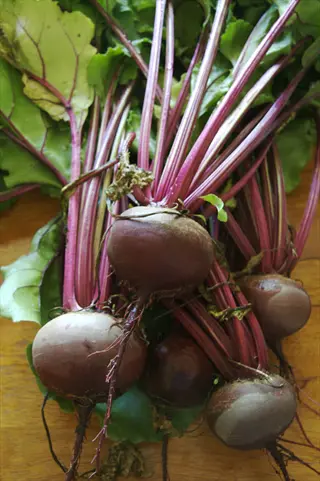
Detroit Dark Red
- Maturity: Ready to harvest in 55-60 days from direct seeding, making it one of the most reliable varieties for home gardeners across all growing zones.
- Root Characteristics: Produces round, deep red roots averaging 2-3 inches (5-8 centimeters) in diameter with smooth skin and minimal zoning inside.
- Flavor Profile: Sweet and earthy flavor that becomes even sweeter when grown in cool temperatures below 70°F (21°C).
- Growing Ease: Adapts well to various soil conditions and temperature changes, making it the top pick for beginning beet growers.
- Storage Quality: Excellent keeper that stores for 4-5 months at 32°F (0°C) with 95% relative humidity.
- Best Uses: Versatile variety suitable for roasting, pickling, canning, and eating fresh in salads with tender edible greens.
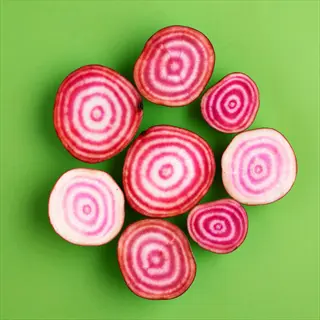
Chioggia
- Maturity: Harvest ready in 50-55 days, one of the fastest maturing varieties ideal for succession planting throughout the cool season.
- Root Characteristics: Candy-striped interior with alternating red and white rings that fade when cooked but stay vibrant when eaten raw.
- Flavor Profile: Milder and sweeter taste than red varieties with less earthy geosmin flavor, preferred by those who dislike traditional beet taste.
- Growing Ease: Italian heirloom variety that performs best in cooler temperatures and may bolt fast if exposed to temperatures above 80°F (27°C).
- Storage Quality: Shorter storage life of 2-3 months compared to Detroit Dark Red but maintains flavor well when cured the right way.
- Best Uses: Best enjoyed raw in salads to preserve the striking visual pattern, or roasted at low temperatures to minimize color bleeding.
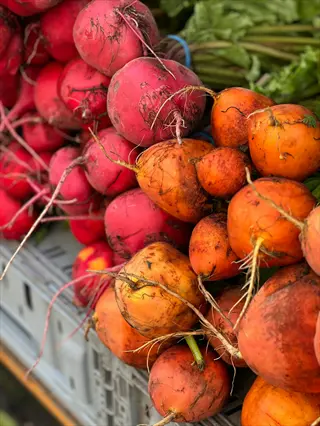
Golden Detroit
- Maturity: Ready for harvest in 55-60 days with slower germination than red varieties, so you need patience during early growth stages.
- Root Characteristics: Bright golden-orange flesh that does not bleed or stain like red beets, maintaining clean appearance when sliced and served.
- Flavor Profile: Sweeter and milder than red varieties with almost no earthy taste, often described as having subtle honey notes.
- Growing Ease: Requires consistent moisture and warmer soil temperatures of 50°F (10°C) minimum for reliable germination.
- Storage Quality: Stores well for 3-4 months but golden color may fade in extended storage compared to red varieties.
- Best Uses: Excellent roasted to caramelize natural sugars, added to salads without staining other ingredients, or pickled for unique golden preserves.
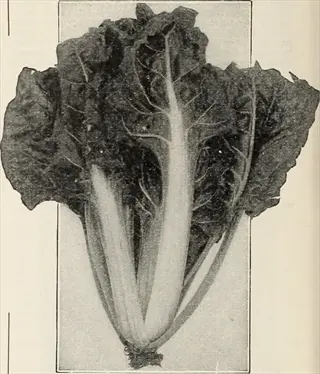
Early Wonder Tall Top
- Maturity: One of the earliest varieties at 48-50 days to harvest, perfect for short growing seasons or early spring planting.
- Root Characteristics: Semi-flat, dark red roots reaching 3-4 inches (8-10 centimeters) diameter with excellent uniformity across plantings.
- Flavor Profile: Standard sweet beet flavor with pronounced earthiness that mellows when roasted at high temperatures.
- Growing Ease: Cold tolerant variety that handles light frost and can be planted 30 days before last frost date in most zones.
- Storage Quality: Moderate storage life of 2-3 months, best used fresh or processed soon after harvest for the best quality.
- Best Uses: Grown for its abundant, tall greens which are tender and flavorful for cooking as a spinach substitute.
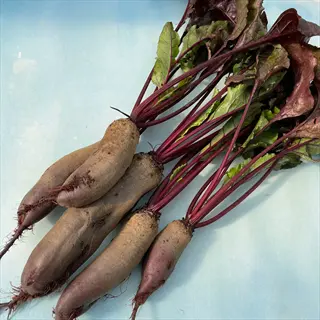
Cylindra
- Maturity: Takes 55-60 days to reach full size, with elongated shape developing best in soil loosened deep without rocks.
- Root Characteristics: Unique cylindrical shape growing 6-8 inches (15-20 centimeters) long and 2 inches (5 centimeters) wide, producing uniform slices.
- Flavor Profile: Sweet and tender throughout with consistent texture from top to bottom, unlike round varieties that can be woody in center.
- Growing Ease: Requires deeper soil preparation of 10-12 inches (25-30 centimeters) but grows above ground in part, making harvest easier.
- Storage Quality: Excellent storage variety lasting 4-5 months with consistent quality throughout the storage period.
- Best Uses: Ideal for slicing into uniform rounds for pickling, canning, or roasting since every slice is the same diameter.
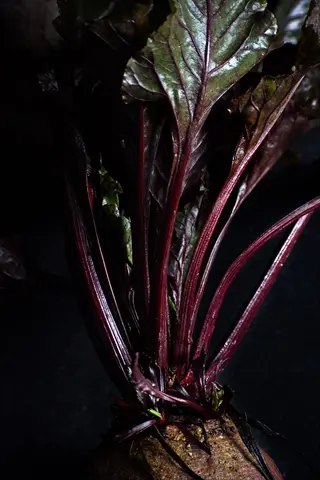
Bulls Blood
- Maturity: Roots ready in 55-60 days but greens can be harvested as baby leaves in just 35 days for salad mixes.
- Root Characteristics: Medium dark red roots with deep burgundy flesh that intensifies in color when grown in cooler temperatures.
- Flavor Profile: Mild, sweet flavor in both roots and greens with less pronounced earthiness than other red varieties.
- Growing Ease: Hardy variety that tolerates both heat and cold better than most beets, extending the growing season in marginal conditions.
- Storage Quality: Moderate storage of 3-4 months with roots maintaining good flavor and texture throughout winter storage.
- Best Uses: Grown for its stunning dark burgundy foliage that adds dramatic color to salads and ornamental garden beds.
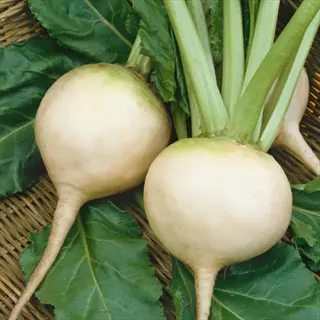
Avalanche
- Maturity: Harvest in 50-55 days, among the fastest white varieties with reliable germination in cool spring soil.
- Root Characteristics: Pure white flesh inside and out that never stains hands, cutting boards, or other ingredients during preparation.
- Flavor Profile: Sweetest of all beet types with very mild flavor, often enjoyed by people who dislike the taste of traditional red beets.
- Growing Ease: A bit more finicky than red varieties, requiring consistent moisture and soil temperatures above 50°F (10°C).
- Storage Quality: Stores for 3-4 months but may develop off flavors in extended storage compared to red varieties.
- Best Uses: Perfect for elegant presentations where red staining would be unwanted, or for helping people who hate beets try them for the first time.
Lutz Green Leaf
- Maturity: Longer growing season of 70-80 days but produces massive roots that can reach 4-5 inches (10-13 centimeters) without becoming woody.
- Root Characteristics: Large roots with odd shapes and dark red flesh that stays tender even at sizes that would make other varieties tough.
- Flavor Profile: Sweet and mild flavor that remains consistent even in oversized roots, making timing of harvest less critical.
- Growing Ease: Heirloom variety from the 1800s with proven reliability across many different growing conditions and soil types.
- Storage Quality: Exceptional keeper lasting 5-6 months in proper root cellar conditions, making it the top choice for winter storage.
- Best Uses: Ideal for gardeners who want to grow fewer plants but harvest more pounds, and for those who want long winter storage.
Hot climates do best with Bulls Blood since it handles heat better than most types. Cold northern zones can plant Early Wonder Tall Top in the ground weeks before other crops. Cylindra offers a unique shape that slices into perfect rounds for canning. My top pick for most gardeners is still Detroit Dark Red for its easy growth and great roots.
Planting Beets
Planting beets starts with knowing the right time for your area and how the seeds work. Each beet seed is not a single seed at all but a fruit cluster that holds 2 to 6 actual seeds inside it. This means you will get multiple seedlings from each spot you plant, which is why thinning matters so much later.
You want to know when to plant beets based on your local soil temperature and frost dates. Beet seeds will sprout when soil reaches 40°F (4°C) but they grow best in soil between 55 and 75°F. Start direct sowing beets about 30 days before your last spring frost for the first crop of the season.
Your beet planting depth should be about half an inch to one inch deep in loose soil that drains well. Space seeds 1 to 2 inches apart in rows that sit 12 to 18 inches from each other for good air flow. This beet seed spacing gives roots room to grow without crowding each other out below the surface.
Try succession planting beets every 2 to 3 weeks to keep a steady harvest coming all season long. I plant my first batch in early spring and my last batch in late summer for fall roots. This simple trick keeps fresh beets on my table for months instead of just a few weeks at a time.
Watering and Care
Watering beets the right way makes a huge difference in how sweet your roots taste at harvest time. Beets that get water like a steady paycheck taste better than ones that get irregular floods of moisture. I learned this the hard way when my first few crops came out tough and bitter from poor watering habits.
Your beet water requirements come out to about 1 inch of water per week based on Texas A&M research on root crops. Beet roots can reach 36 to 48 inches deep, so you need to water deep rather than splash the surface. Consistent moisture beets produce less of the earthy compound called geosmin that makes some people dislike the taste.
Thinning beets ranks just as important as watering for getting good sized roots from your garden. Crowded plants fight for nutrients and produce tiny roots that are not worth the effort of pulling them from the ground. Start fertilizing beets before you plant and watch for boron deficiency beets which shows up as black spots inside the roots.
Thinning Seedlings
- Why It Matters: Each beet seed cluster contains 2-6 individual seeds, meaning multiple seedlings emerge from each planting spot and compete for nutrients if not separated.
- When to Thin: Begin thinning when seedlings reach 2-3 inches (5-8 centimeters) tall, which happens about 2-3 weeks after germination occurs.
- Proper Spacing: Thin to 3-4 inches (8-10 centimeters) between plants for standard varieties, or 4-5 inches (10-13 centimeters) for large storage varieties like Lutz Green Leaf.
- Technique: Snip extra seedlings at soil level with scissors rather than pulling to avoid disturbing roots of remaining plants.
Consistent Watering Schedule
- Weekly Amount: Provide 1 inch (2.5 centimeters) of water per week through rain or irrigation, measured with a rain gauge or a container with straight sides.
- Watering Method: Use drip irrigation or soaker hoses to deliver water to the soil, avoiding overhead watering that promotes leaf diseases.
- Moisture Check: Insert your finger 2 inches (5 centimeters) into soil before watering; if dry at that depth, water is needed no matter what the surface looks like.
- Geosmin Connection: Inconsistent watering increases the earthy compound geosmin in roots, so steady moisture produces sweeter beets with milder flavor.
Fertilizing for Root Development
- Pre-Planting Application: Apply 1 cup of 10-20-10 fertilizer per 10 feet (3 meters) of row before planting, working it into the top 4-6 inches (10-15 centimeters) of soil.
- Boron Supplementation: If soil testing shows deficiency, apply 6-7 tablespoons of household borax per 1000 square feet (93 square meters) to prevent black heart disease.
- Side Dressing: Apply extra nitrogen fertilizer when plants are 4-6 inches (10-15 centimeters) tall if leaves appear pale yellow indicating nutrient shortage.
- Potassium Importance: Beets require fertile soil high in potassium for proper root development, addressed through balanced fertilizer or wood ash additions.
Weed Management
- Competition Impact: Beets compete poor with weeds, and weed pressure during the first 6 weeks cuts root size and yield by a large amount.
- Cultivation Method: Use light cultivation with a hoe, disturbing only the top 1 inch (2.5 centimeters) of soil to avoid damaging beet roots growing below.
- Mulching Benefits: Apply 2-3 inches (5-8 centimeters) of straw or shredded leaves after thinning to suppress weeds and maintain soil moisture.
- Hand Weeding: Remove weeds growing within 2 inches (5 centimeters) of beet plants by hand to avoid root disturbance from tools.
Water stress in the first 6 weeks causes beets to bolt and flower instead of making roots you can eat. Keep that soil moist but not soaked during this key time period for the best results at harvest time.
Common Problems
Every gardener runs into beet problems at some point, but most issues have simple fixes once you know what to look for. The key is to figure out if your issue comes from pests, disease, nutrients, or growing conditions. I lost my first beet crop to flea beetles beets before I knew what those tiny holes in the leaves meant.
Beet pests like leaf miners and flea beetles cause the most trouble for home growers in most areas. You can spot leaf miner damage by the winding trails they leave inside the leaves as they feed. Flea beetles chew small round holes all over the foliage but rarely kill the plant if you catch them early.
If your beets not growing the way you expect, check for crowding, water stress, or nutrient problems first. Small beet roots often result from plants that were never thinned or did not get enough water in the first 6 weeks. Beet diseases like downy mildew spread fast in humid conditions with poor air flow between plants.
Most beet problems respond well to organic solutions if you catch them early enough in the season. Row covers work great for keeping pests off young plants without any sprays at all. When in doubt, pull a sample beet to check root development and look for signs of nutrient issues inside.
Harvesting Roots and Greens
Harvesting beets at the right time gives you the sweetest roots and most tender greens from your garden plot. You can feel when to harvest beets by running your fingers along the soil surface to check if root shoulders are pushing up through the dirt. I check my beets this way every few days once they hit the 50 day mark in the ground.
The beet harvest size that tastes best falls between 1.5 and 2 inches across the shoulders for most home garden uses. Roots that grow past 3 inches often turn woody and tough no matter how you cook them at home. Your beet harvest time varies by variety from 50 days for early types to 80 days for big storage varieties.
Harvesting beet greens can start weeks before roots reach full size since the leaves regrow fast through the season. You can pick beet greens every week or two without hurting root growth as long as you leave the center leaves alone. This dual harvest approach gives you two crops from each plant you grow in your garden bed.
Harvesting Baby Greens
- Timing: Begin harvesting outer leaves when plants reach 4-6 inches (10-15 centimeters) tall, which happens about 30-35 days after planting seeds.
- Technique: Cut or pinch outer leaves only, leaving the center growing point and at least 3-4 inner leaves to fuel continued root development below ground.
- Frequency: Harvest greens every 7-10 days throughout the growing season for a steady supply without hurting root growth much.
- Quality Indicators: Select leaves that are bright green without yellowing, tender to the touch, and free from pest damage or disease spots.
Harvesting Mature Roots
- Size Check: Harvest when root shoulders visible above soil reach 1.5-2 inches (4-5 centimeters) across for the sweetest flavor and best texture.
- Timing Window: Most varieties reach harvest size 50-60 days after planting, with some storage varieties needing 70-80 days for full size.
- Harvest Technique: Loosen soil with a garden fork 4-6 inches (10-15 centimeters) from the plant, then pull roots while grasping the leaf base.
- Quality Warning: Roots that exceed 3 inches (8 centimeters) across often become woody and fibrous, so harvest fast when shoulders appear.
Fall Harvest Before Hard Freeze
- Frost Tolerance: Beets tolerate light frost which makes sugar content rise, but hard freezes below 25°F (-4°C) damage roots.
- Timing Decision: Harvest all remaining roots before ground freezes solid, or protect with 6-8 inches (15-20 centimeters) of straw mulch for storage in ground.
- Processing Priority: Process or store harvested roots within 1-2 weeks for best quality, as they lose moisture and sweetness if left at room temperature.
- Greens Handling: Remove greens right after harvest, leaving 1 inch (2.5 centimeters) of stems attached to prevent bleeding during storage.
Continuous Harvest Strategy
- Succession Planting: Plant new seeds every 2-3 weeks from early spring through late summer for ongoing harvest rather than one large crop.
- Mixed Variety Approach: Grow early varieties like Chioggia alongside storage varieties like Lutz Green Leaf to extend harvest window from 50 to 80 days.
- Baby Beet Option: Harvest some beets at golf-ball size (1 inch or 2.5 centimeters) for tender baby beets, leaving others to reach full size.
- Greens Priority: If growing for greens alone, harvest roots at any size since all beet roots are edible no matter the development stage.
A light frost in fall makes beets sweeter by converting starches to sugars in the roots. Harvest all your beets before a hard freeze hits or cover them with thick straw mulch to keep them safe in the ground longer.
Storage and Preservation
Storing beets the right way extends your harvest value for months after you pull them from the ground. Most gardeners toss extra beets or let them go bad because they do not know how to store beets for long periods. I keep my beets fresh from fall through spring using several methods that work for any home kitchen.
Preserving beets depends on what tools and space you have at home for keeping food fresh. Root cellars work best with temps around 32°F (0°C) and 95% humidity for the longest shelf life. Most of us lack a root cellar, but your fridge, freezer, or canning jars can do the job just as well.
Freezing beets requires cooking them first since raw beets turn to mush when they thaw out after time in the freezer. Canning beets in a pressure canner or as pickled beets in a water bath gives you shelf stable jars that last over a year. Each method has pros and cons based on your storage space and how you plan to eat the beets later.
Root Cellar Storage
- Ideal Conditions: Store at 32°F (0°C) with 95% relative humidity in a dark location for maximum storage life.
- Preparation: Remove greens leaving 1 inch (2.5 centimeters) of stems, brush off loose soil without washing, and let cure for 1-2 days in a cool area.
- Storage Method: Layer beets in wooden crates or boxes with damp sand, sawdust, or peat moss between layers to maintain humidity without direct moisture contact.
- Expected Duration: Beets stored the right way keep 4-5 months, with storage varieties like Lutz Green Leaf lasting up to 6 months in optimal conditions.
- Quality Checks: Inspect stored beets once a month, removing any showing soft spots, mold, or sprouting to prevent spread to nearby roots.
- Alternative Location: An unheated garage, basement, or buried trash can insulated with straw can work like a root cellar in mild winter climates.
Refrigerator Storage
- Preparation: Remove greens right away, leaving 1 inch (2.5 centimeters) stems, and do not wash roots until you are ready to use them.
- Container Choice: Store in bags with holes or containers lined with damp paper towels in the crisper drawer for best humidity levels.
- Temperature Setting: Keep your fridge at 32-40°F (0-4°C) for best beet storage without freezing the roots solid.
- Expected Duration: Beets in the fridge stay good for 2-3 weeks, which is much shorter than root cellar storage but works for most gardeners.
- Greens Storage: Store washed beet greens in a separate plastic bag with paper towel for up to 5-7 days in the fridge.
- Space Consideration: Large harvests fill fridge space fast, making other methods needed for big crops that exceed your fridge capacity.
Freezing Cooked Beets
- Cooking Requirement: Beets must be cooked before freezing since raw beets become mushy and bad tasting when thawed after freezing.
- Preparation Method: Boil or roast whole beets until fork tender (45-60 minutes for medium beets), then cool, peel, and slice or cube them.
- Packaging: Pack cooled beets in freezer safe containers or bags, leaving 1/2 inch (1.3 centimeters) headspace for expansion during freezing.
- Blanching Alternative: Some gardeners blanch sliced raw beets for 3-5 minutes before freezing, though texture is less consistent than cooking all the way.
- Storage Duration: Frozen beets stay at best quality for 10-12 months but remain safe to eat forever when kept at 0°F (-18°C).
- Best Uses: Frozen beets work well in smoothies, soups, and cooked dishes but texture is too soft for fresh salads after thawing.
Pickling and Canning
- Pickled Beets: Cook, peel, and slice beets, then pack in jars with hot vinegar brine (2 cups vinegar, 2 cups sugar, 2 cups water, spices).
- Water Bath Processing: Process pint jars for 30 minutes in boiling water bath to ensure shelf stable storage for up to 12 months on the pantry shelf.
- Pressure Canning: Plain beets without pickling brine require pressure canning at 10 pounds pressure for 30 minutes for pints to prevent botulism.
- Recipe Safety: Follow tested recipes from Ball, USDA, or university extension sources exact without changes for safe home canning every time.
- Flavor Additions: Common additions include cinnamon sticks, whole cloves, onion slices, and orange zest to customize pickled beet flavor.
- Storage Location: Store canned beets in cool, dark locations for best color retention and flavor, using within 12-18 months for peak quality.
Good storage planning lets you enjoy beets you grew all year long instead of just a few weeks at harvest time. Pick the methods that match your kitchen setup and how much freezer or pantry space you have available for putting up your harvest.
5 Common Myths
Beets only grow well in cold northern climates and cannot thrive in warm southern regions during any season.
Beets grow successfully in all USDA zones by adjusting planting times to cooler seasons, with southern gardeners planting in fall through early spring.
You must start beet seeds indoors and transplant them outdoors because direct sowing rarely succeeds in home gardens.
Beets prefer direct sowing and actually dislike transplanting because it can disturb their taproots and cause forked or stunted root development.
Beet greens should be discarded because they are bitter, tough, and have no nutritional value compared to the roots.
Beet greens are an excellent source of vitamin A and calcium, with more nutrients than the roots, and can be harvested while roots continue growing.
Larger beets are always better and you should wait until roots reach baseball size for maximum harvest yield.
Beets larger than 3 inches (8 centimeters) become tough, woody, and fibrous, with optimal harvest size being 1.5-2 inches (4-5 centimeters) diameter.
Beets require full sun all day and will not produce any roots if planted in areas that receive afternoon shade.
Beets prefer 4-6 hours of direct sunlight daily and actually tolerate partial shade, making them suitable for spots with morning sun and afternoon shade.
Conclusion
Now you know how to grow beets that taste sweet and tender from your own garden patch. The keys to success come down to proper timing, steady watering, good thinning, and harvesting beets at the right size before they get woody. These simple steps make the difference between beets you want to eat and ones that end up in the compost pile.
Growing beets gives you two crops from every plant when you harvest both roots and beet greens through the season. This dual value makes beets one of the most efficient vegetables you can grow in limited garden space. The health benefits of beets keep bringing more gardeners to try them each year as research shows they help with blood pressure.
Good storage extends your harvest value for months after the growing season ends. You can use a root cellar, freezer, or canning jars to enjoy beets all winter long. This beet growing guide covered varieties, planting, care, and storage. You now have all the info you need to grow great beets at home.
Beets forgive many mistakes that would kill other garden crops, making them great for beginners who want to learn. Experienced gardeners can refine their methods to grow sweeter roots and bigger harvests each year. Start with a short row of Detroit Dark Red this season and see how easy these vegetables can be to grow at home.
External Sources
Frequently Asked Questions
What is the best way for beginners to grow beets?
Start by planting seeds directly in loose soil after danger of frost passes, thin seedlings to 3-4 inches apart, and water consistently at 1 inch per week.
Which month is best to plant beets?
Best planting months depend on your region:
- March to April for spring crops in most zones
- August to September for fall crops
- October to February in warm southern climates
Which plants should stay away from beets?
Avoid planting pole beans and field mustard near beets as they compete for nutrients and may stunt root development.
Will beets require a trellis to grow?
No, beets do not need a trellis because they are root vegetables that grow underground with low-growing foliage above ground.
How much water should beets get?
Beets need approximately 1 inch (2.5 centimeters) of water per week through rain or irrigation for consistent root development.
Could beets survive winter in the ground?
Beets can survive light frost and mild winters in USDA zones 8-11, but hard freezes will damage roots in colder regions.
Do beet seeds require pre-soaking?
Soaking beet seeds in warm water for 24 hours before planting can speed up germination from 14 days to 7-10 days.
Which fertilizer works best for beets?
A balanced 10-20-10 fertilizer works best, applied at 1 cup per 10 feet (3 meters) of row before planting, plus adequate boron.
What causes my beet roots to stay small?
Small beet roots are usually caused by:
- Not thinning seedlings to proper spacing
- Inconsistent watering especially in first 6 weeks
- Poor soil lacking potassium or boron
- Overcrowding from weeds competing for nutrients
Is it possible to eat beet greens?
Yes, beet greens are edible and highly nutritious with more vitamin A and calcium than the roots, used raw in salads or cooked like spinach.