
Introduction
You walk through your garden in July and spot brown wilted flowers where vibrant blooms once stood. The season has months left but your beds look tired and worn out. Many gardeners face this same problem every summer without knowing the simple fix that works so well. Learning how to deadhead flowers for continuous blooms changes this scene and keeps your garden colorful all season long.
I watched my first flower garden fade by midsummer because nobody told me about this simple trick. When you remove spent blooms, the plant stops making seeds and starts making more flowers instead. Think of it like redirecting a river with a dam. All that energy flows back into bloom production rather than going to seeds that will never grow in your beds.
Gardeners have used this trick for many years yet beginners often skip it or do it wrong. Research shows you'll see results within about 2 weeks of starting this simple practice. Extended flowering through first frost is easy to get with just a few minutes of work each week in your garden beds.
After 10 years of testing different methods on my own plants, I know which work best for each type. The sections below cover roses, petunias, and zinnias. They also include many other blooms and show you exact methods to use. You'll start seeing results soon after you begin this rewarding practice.
4 Key Deadheading Techniques
Not all flowers respond to the same deadheading techniques. Soft stems snap clean between your fingers while woody stems need pruning snips or garden scissors to cut through. I learned this the hard way when I crushed a rose stem trying to pinch it off like a petunia.
The secret is matching your method to the plant's stem type. Pinching flowers works great for tender annuals but fails on thick woody growth. Cutting spent blooms with sharp tools gives clean wounds that heal fast. The shearing method saves hours when you have large beds of the same plant.
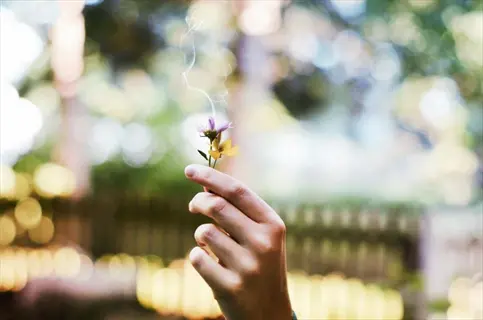
Pinching with Fingers
- Best For: Soft-stemmed annuals and tender perennials including petunias, marigolds, cosmos, zinnias, and impatiens that have not yet become woody.
- Technique: Grasp the stem just below the spent flower head between your thumb and forefinger, then pinch firmly while supporting the plant with your other hand to avoid tearing.
- Positioning: Pinch directly above the first set of healthy leaves or at a leaf node where you can see small developing buds waiting to emerge.
- When to Use: This quick method works best during morning garden walks when stems are hydrated and snap cleanly without crushing or tearing the plant tissue.
- Frequency: Daily or every few days during peak blooming season keeps plants looking tidy and prevents any seed pods from beginning to form.
- Pro Tip: Pinching slightly younger flowers that are just past peak encourages bushier growth and more branching than waiting until blooms are completely brown.
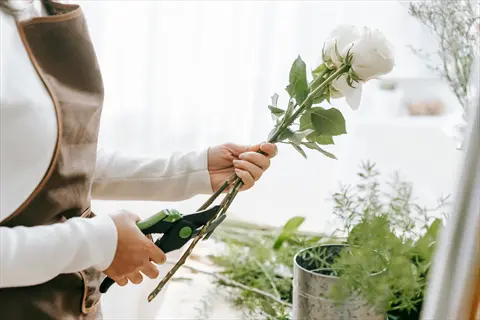
Cutting with Pruners
- Best For: Woody-stemmed plants and tougher perennials including roses, hydrangeas, lavender, salvias, and any plant where pinching would crush rather than cleanly sever the stem.
- Technique: Position sharp bypass pruners at a 45-degree angle about 0.25 inches (0.6 centimeters) above a healthy leaf node, then make one clean cut without sawing.
- Tool Selection: Bypass pruners create cleaner cuts than anvil-style pruners, which crush stems. Floral snips work well for medium stems, while heavy-duty pruners handle thick rose canes.
- Sanitation: Wipe blades with rubbing alcohol or a diluted bleach solution between different plant varieties to prevent spreading bacterial or fungal diseases through open wounds.
- Rose-Specific: For modern roses, cut above the first leaf with five leaflets on established plants, or above three-leaflet leaves on young plants still building root systems.
- Healing Time: Clean angled cuts allow water to run off the wound and typically seal within a few days, reducing disease entry points compared to ragged tears.

Shearing Mass Plantings
- Best For: Dense groundcovers, mass plantings of petunias, trailing plants, and any situation where individual deadheading would take hours of tedious work.
- Technique: Using hedge shears or large scissors, remove approximately one-third of the plant including all spent blooms, creating an even surface across the planting.
- Timing: Perform shearing when about half the blooms have faded rather than waiting until all flowers are spent, as this balances appearance with continuous flowering.
- Recovery Period: Expect plants to look somewhat sparse for one to two weeks after shearing before fresh growth and new buds emerge from lower on the stems.
- Fertilizer Boost: Follow shearing with a light application of balanced fertilizer and thorough watering to support the vigorous regrowth that shearing stimulates.
- Midsummer Rejuvenation: South Dakota State University Extension recommends this technique for leggy annuals, noting rejuvenated flowering typically begins within two weeks of cutting back.
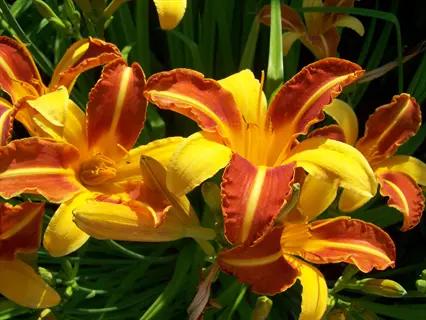
Snapping Bulb Flowers
- Best For: Daylilies, tulips, daffodils, lilies, and other bulb-grown flowers where each bloom lasts only a day or needs removal while leaving the stem for other buds.
- Technique: Grasp the individual spent flower at its base where it connects to the main stem, then twist and snap in one smooth motion to detach cleanly.
- Preserve the Stem: Unlike other methods, leave the flowering stem intact until all buds have opened and finished, as new flowers continue emerging along the same stalk.
- Foliage Care: After all blooms fade, remove only the bare flower stalk but leave green foliage intact for at least six weeks to feed the bulb for next year through photosynthesis.
- Daily Attention: Daylilies produce one bloom per day on each scape, requiring daily removal of mushy spent flowers to maintain an attractive appearance.
- Seed Prevention: Snapping off individual flowers before they form seed pods keeps energy directed toward the remaining buds and strengthens the bulb for future seasons.
Best Flowers to Deadhead
Some flowers reward your deadheading work with weeks of extra blooms while others give you just a modest second flush. The best flowers to deadhead evolved to produce multiple seed sets each season. This biology makes them primed to keep blooming when you remove their spent flowers.
Your annuals to deadhead include the reblooming workhorses like zinnias and cosmos that flower all season long. Perennials to deadhead act more like encore performers in your garden beds. They give you a strong second show after the main act. Deadheading roses gives the most dramatic results of any flower I have grown.
Penn State Extension names Yarrow, Blanket Flower, Bee Balm, and Garden Phlox as top performers for your garden. I tested deadheading petunias and deadheading marigolds side by side one summer. Both kept blooming 6 weeks longer than the plants I left alone in my test beds.
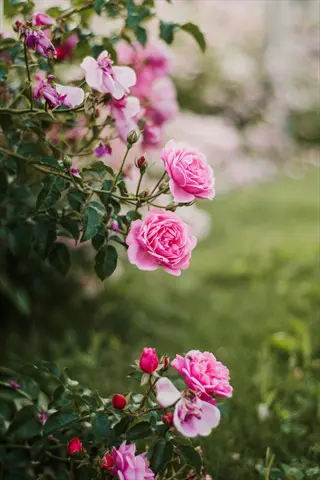
Roses
- Response Level: Highly responsive repeat bloomers can produce three to four complete bloom cycles per season with consistent deadheading from late spring through late summer.
- Technique: Cut stems at a 45-degree angle just above an outward-facing leaf with five leaflets, which directs new growth outward for better air circulation and plant shape.
- Timing Specifics: Remove faded blooms within a few days of petals starting to drop, before the hip behind the flower begins swelling with seed development.
- Stop Date: Iowa State University Extension recommends ceasing rose deadheading by late August or early September to allow hip development that signals winter dormancy.
- Modern Varieties: Newer rose cultivars often produce smaller but more frequent bloom flushes, while heirloom varieties may produce fewer but larger subsequent blooms.
- Extra Care: Apply a balanced rose fertilizer after each major bloom flush to provide nutrients for the next round of flower production.
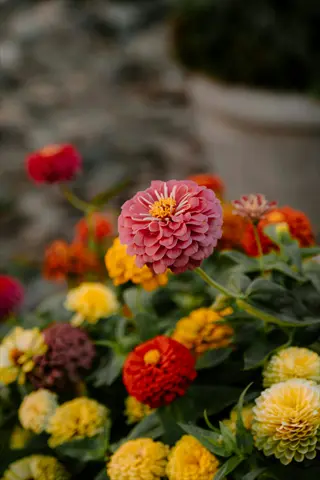
Zinnias
- Response Level: Extremely responsive annuals that can produce continuous blooms from early summer until first frost when deadheaded regularly every few days.
- Technique: Cut stems long, down to just above a leaf pair, as zinnias branch prolifically and longer cuts encourage more substantial side shoots.
- Double Benefit: Removed zinnia blooms make excellent cut flowers that last one to two weeks in a vase, turning deadheading into a harvest opportunity.
- Branching Pattern: Each cut stem typically produces two new flowering stems, effectively doubling flower production with every deadheading session.
- Heat Tolerance: Unlike many flowers that slow production in midsummer heat, zinnias continue blooming vigorously through summer when deadheaded consistently.
- Seed Saving Option: Allow a few late-season blooms to fully mature and dry on the plant if you want to collect seeds for next year's garden.
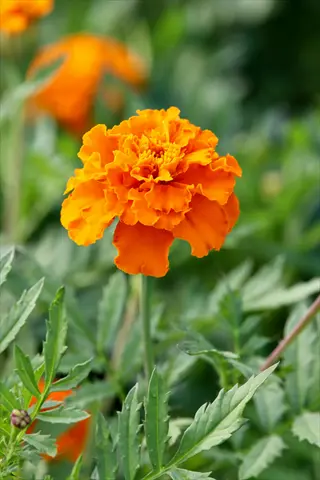
Marigolds
- Response Level: Highly responsive annuals that respond immediately to deadheading with new bud production, maintaining continuous color from spring planting through fall frost.
- Technique: Pinch or cut the entire flower head including the swollen base where seeds form, as leaving the seed pod defeats the purpose of deadheading.
- Visual Cue: Remove blooms when petals begin browning at the edges but before the center turns completely brown and seeds start developing.
- French vs African: French marigolds produce more but smaller blooms and require more frequent deadheading, while African varieties have larger flowers with slightly longer individual bloom life.
- Companion Benefit: Marigolds planted as pest deterrents among vegetables still benefit from deadheading, which keeps them producing the aromatic compounds that repel unwanted insects.
- End of Season: Allow final marigold blooms to go to seed in late fall for easy seed collection and potential self-sowing in next year's garden.

Coneflowers
- Response Level: Moderately responsive native perennials that produce extended blooming from early summer well into fall when older flowers are removed before seeds set.
- Technique: Cut stems down to a lateral bud or to just above a set of basal leaves, which encourages branching and additional flower stalks.
- Wildlife Balance: Consider deadheading early and midsummer blooms while leaving late summer flowers for goldfinches and other seed-eating birds that rely on the seedheads.
- Division Bonus: Consistent deadheading over multiple seasons keeps coneflower clumps vigorous and may delay the need for dividing overcrowded plants.
- Color Varieties: Purple coneflowers remain the most responsive to deadheading, while some newer hybrid colors may produce fewer secondary blooms.
- Native Garden Note: In naturalized meadow settings, coneflowers perform well with minimal intervention and provide maximum wildlife value when allowed to set seed.
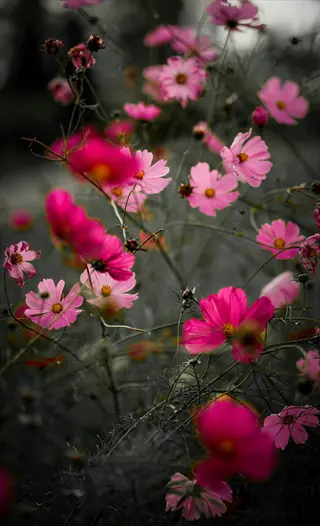
Cosmos
- Response Level: Extremely responsive cut-and-come-again annuals that bloom more heavily with each deadheading session throughout the entire growing season.
- Technique: Cut stems at various heights rather than all at the same level, which creates a more natural appearance and staggered bloom timing.
- Continuous Harvest: Like zinnias, cosmos make beautiful cut flowers with excellent vase life of one week or more, combining garden beauty with indoor bouquets.
- Branching Response: Cosmos respond to deadheading by producing multiple new stems from each cut point, creating increasingly bushy plants as the season progresses.
- Self-Sowing Alternative: For naturalized gardens, allow late-season cosmos to drop seeds that often germinate the following spring without any replanting effort.
- Height Management: Regular deadheading of tall cosmos varieties helps control their sometimes lanky growth habit while promoting more compact, floriferous plants.
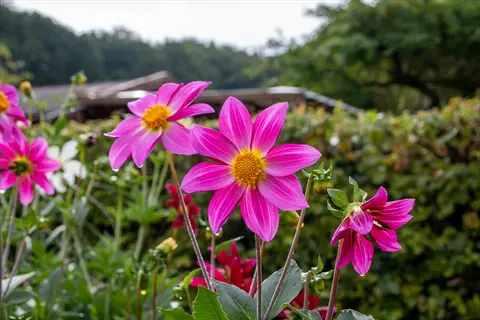
Dahlias
- Response Level: Highly responsive tuber-grown flowers that can produce dozens of blooms per plant when spent flowers are removed consistently every few days.
- Technique: Follow the stem from the spent bloom down past any small developing buds to the main stem junction, cutting at that point to remove the entire flowering branch.
- Bud Identification: Distinguish between pointed flower buds (keep) and round seed pods (remove) to avoid accidentally removing developing blooms while deadheading.
- Vase Opportunity: Dahlia blooms make stunning cut flowers and peak production often exceeds what gardeners can use in landscape displays, making cutting a practical necessity.
- Disbudding Option: For larger dinner-plate dahlia varieties, removing side buds allows plants to channel energy into fewer but dramatically larger showcase blooms.
- Season Extension: Consistent deadheading pushes dahlia bloom production well into fall, often until frost blackens the foliage in late autumn.
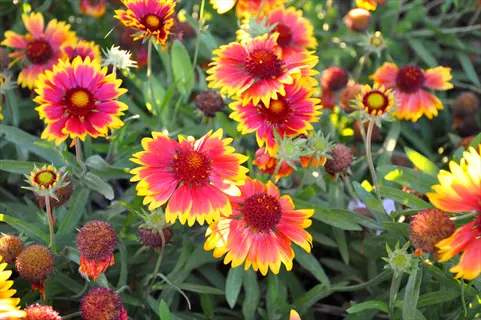
Blanket Flowers
- Response Level: Highly responsive prairie natives specifically noted by Penn State Extension as benefiting from regular deadheading with prolonged bloom periods.
- Technique: Cut the entire stem down to the basal foliage when the flower fades, as leaving tall stems without flowers creates an unkempt appearance.
- Heat Performance: Blanket flowers thrive in hot, dry conditions where many other perennials struggle, making them valuable for consistent summer color.
- Drought Resilience: Their deep taproots allow blanket flowers to continue blooming through dry spells when supplemented with deadheading that prevents energy waste on seeds.
- Short-Lived Nature: These perennials typically last three to four years, but regular deadheading prevents self-sowing that would otherwise create replacement plants.
- Color Range: Both yellow-only and red-yellow bicolor varieties respond equally well to deadheading with extended flowering through summer and into early fall.
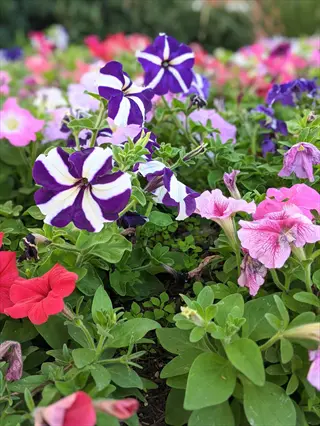
Petunias
- Response Level: Traditional petunias are highly responsive to deadheading, though many modern Wave and Supertunia varieties are bred to be self-cleaning.
- Technique: For standard petunias, pinch or cut the entire flower stem including the sticky calyx below the petals, not just the faded flower itself.
- Variety Check: Before establishing a deadheading routine, verify whether your petunia variety is self-cleaning, as many newer cultivars drop spent blooms automatically.
- Rejuvenation Cut: Leggy petunias benefit from a midsummer shearing that removes half the plant, prompting bushy regrowth and renewed heavy flowering within two weeks.
- Container Focus: Petunias in containers often require more frequent deadheading than garden plants due to closer inspection and higher expectations for tidy appearance.
- Trailing Types: Cascading petunias in hanging baskets may need deadheading at multiple levels as blooms fade unevenly across the trailing stems.
Seasonal Deadheading Calendar
Knowing when to deadhead matters just as much as knowing how to do it. Your seasonal deadheading schedule should shift throughout growing season as plants change their needs. Spring deadheading focuses on bulbs and early perennials in your beds. Summer deadheading keeps your annuals pumping out fresh blooms.
I keep a simple mental calendar that guides my garden walks each week. The table below shows you what to focus on as the seasons change. You need to stop deadheading fall plants at a certain point to let them prepare for winter and feed the birds.
Your climate zone affects these dates by a few weeks in either direction. Gardeners in warmer zones can keep deadheading longer into fall. Those in cold zones should wind down earlier to give plants time to harden off before frost hits.
Roses and Hydrangeas Guide
I get more questions about deadheading roses and deadheading hydrangeas than any other flowers. These two plants need specific techniques that differ from basic advice. Get them wrong and you could lose blooms next year.
Your rose care should focus on cutting above five-leaflet leaves on mature plants. This triggers new bloom cycles in your bushes. Young roses need different treatment to build their roots first. When to deadhead roses depends on the season too. Stop by late August to let plants prepare for winter.
Hydrangea pruning gets tricky because each type blooms on different wood. I ruined a whole season of blooms before I learned this lesson. You must finish deadheading hydrangeas by mid-August for big-leaf types. The guide below shows you exactly what to do for each variety in your garden.
Modern Repeat-Blooming Roses
- Cutting Point: For established roses, locate the first outward-facing leaf with five leaflets below the spent bloom and cut 0.25 inches (0.6 centimeters) above this point at a 45-degree angle.
- Young Plant Exception: First-year roses and newly planted specimens should be cut above three-leaflet leaves instead, preserving more foliage to build root systems.
- Timing Window: Remove faded blooms within a few days of petals starting to drop, before the hip behind the flower begins swelling with seed development.
- Season End: Iowa State University Extension recommends stopping rose deadheading by late August or September to allow hip development that triggers winter dormancy.
- Tool Requirements: Always use sharp, sanitized bypass pruners for roses to prevent crushing stems and spreading diseases between cuts on different canes.
Big-Leaf Hydrangeas (Reblooming)
- Deadline Alert: Stop deadheading reblooming hydrangeas by mid-August, as they set next year's flower buds on old wood in late summer and fall.
- Cutting Point: Remove only the flower head itself, cutting just below the bloom and above the first set of full-sized leaves on the stem.
- First-Year Blooms: On reblooming varieties, early summer blooms appear on old wood while later summer flowers emerge on new growth, extending the display.
- Color Changes: The beautiful color shifts from pink to green to bronze ('antiquing') happen naturally and can be enjoyed rather than immediately removed.
- Winter Protection: Leave final dried blooms on the plant through winter to provide some frost protection for the developing buds underneath.
Panicle and Smooth Hydrangeas
- Greater Flexibility: These varieties bloom on new wood (current year's growth), so deadheading timing matters less than with big-leaf types.
- Extended Display: Panicle hydrangea blooms transition through white, pink, and russet shades, providing months of interest even as individual flowers fade.
- Optional Deadheading: Many gardeners leave panicle hydrangea blooms through winter for structural interest, removing them only during spring cleanup.
- Size Consideration: Removing spent blooms on smooth hydrangeas like 'Annabelle' prevents the heavy flower heads from weighing down branches after rain.
- Pruning Distinction: These types can be cut back hard in late winter or early spring without affecting bloom, unlike big-leaf varieties that would lose flowers.
Lavender and Mediterranean Herbs
- Harvest Timing: Deadhead lavender by cutting flower stems when about half the blooms on each spike are open, which provides the strongest fragrance for drying.
- Shaping Opportunity: Use deadheading as an opportunity to lightly shape lavender plants, cutting back into the leafy growth but never into bare woody stems.
- Second Flush: Many lavender varieties produce a smaller second flowering in late summer if the first blooms are removed promptly after fading.
- Tool Choice: Small floral snips or sharp scissors work better than large pruners for the delicate stems of lavender and similar Mediterranean herbs.
- End-of-Season Care: Stop deadheading lavender by early fall to allow plants to harden off before winter rather than pushing new tender growth.
Daylilies and Single-Day Bloomers
- Daily Attention: Each daylily flower lasts only one day, so removing spent blooms daily prevents the accumulation of mushy brown petals on the plant.
- Technique: Simply snap or twist off individual spent flowers at the point where they attach to the main flower scape, leaving developing buds intact.
- Scape Removal: Once all buds on a flowering scape have opened and faded, cut the entire bare stalk down to the foliage at the base of the plant.
- Reblooming Varieties: Some daylily cultivars produce additional scapes after the initial flowering, especially when consistently deadheaded and fertilized.
- Seed Pod Prevention: Daylily seed pods are large and conspicuous, making prompt deadheading important for maintaining a neat garden appearance.
Identifying Spent Blooms
Knowing when to deadhead takes practice because spent flowers and faded flowers look different on each plant. I wasted blooms my first year by removing old flowers too soon and lost weeks of color in my beds. Now I use a simple checklist before any flower removal.
Fresh petals feel silky and smooth when you touch them. Dead flowers feel papery and dry under your fingers. The texture change tells you more than color alone. You want to catch blooms after they fade but before seeds form behind the petals.
I tested these visual cues across dozens of flower types over the years. The signs below help you spot when to remove old flowers at just the right time. Once you learn them, identifying dead flowers becomes second nature on your daily garden walks.
Petal Texture Changes
- Fresh Indicator: Healthy flowers have petals that feel silky, smooth, or slightly waxy with vibrant color saturation and firm tissue that springs back when gently touched.
- Fading Signs: As blooms age, petals become papery, thin, and translucent, often developing a dry or crispy texture at the edges before the center.
- Wilting Pattern: Petals begin curling inward or drooping, losing their original shape and structure as water content decreases in the aging flower tissue.
- Touch Test: Gently brush your finger across petals - fresh flowers feel substantial while spent blooms feel fragile and may shed petals with light contact.
- Color Correlation: Texture changes typically accompany color fading, so papery petals usually also show washed-out or brown-tinged coloration.
Color Fade Patterns
- Edge Browning: Most flowers begin showing age at the petal edges first, with browning or crisping that gradually moves inward toward the flower center.
- Overall Washing: Some blooms fade uniformly, with once-vibrant colors becoming muted, pale, or washed-out across the entire flower surface.
- Translucency: White and light-colored flowers often develop translucent patches where tissue is breaking down, appearing almost see-through in bright light.
- Dark Spots: Brown or black spots appearing on petals indicate decomposition has begun and the flower should be removed promptly to prevent disease.
- Timing Note: Color fading typically begins one to three days before complete flower collapse, providing a window for proactive deadheading.
Seed Pod Development
- Location Awareness: Look behind and below the faded petals for a swelling structure - this is the ovary developing into a seed pod as the plant shifts energy.
- Size Comparison: A developing seed pod is noticeably larger than an unopened flower bud, with a rounder, fuller shape rather than the pointed tip of a bud.
- Firmness Test: Seed pods feel firm and solid when gently squeezed, while flower buds have more give and softer tissue that will eventually open into petals.
- Color Shift: The calyx and stem immediately below spent flowers often changes from green to yellowish as resources redirect toward seed development.
- Critical Timing: Once a seed pod is visibly swelling, deadheading remains beneficial but you have missed the optimal window for maximum energy redirection.
Distinguishing Buds from Pods
- Bud Characteristics: Flower buds point upward or outward, have pointed tips, show color of upcoming petals peeking through, and feel softer when gently touched.
- Pod Characteristics: Seed pods hang downward as they develop weight, have rounded or irregular shapes, and show green or brown coloring without visible petal color.
- Stem Attachment: Buds connect to actively growing stems with green flexible tissue, while pods often sit on slightly woody or hardened stem sections.
- Common Confusion: Dahlia and rose buds can look similar to seed pods - when uncertain, wait a day or two and the difference becomes obvious as buds show more color.
- Safety Approach: If you cannot distinguish between a bud and a pod, err on the side of leaving it - removing a developing bud costs one flower, but leaving a pod costs only time.
5 Common Myths
Deadheading works on all flowering plants equally
Many plants including impatiens, begonias, and single-bloom perennials like peonies do not respond to deadheading with additional flowers. Self-cleaning varieties naturally drop spent blooms without intervention.
You should deadhead flowers as soon as petals start wilting
Wait until the flower has fully faded and begun forming a seed pod behind the petals. Removing blooms too early wastes plant energy already invested and may remove flowers that could last another few days.
Deadheading requires expensive specialized tools
Most deadheading can be done with your thumb and forefinger by pinching soft stems. Regular scissors work for thin stems, and basic bypass pruners handle woody plants. Expensive tools are unnecessary for effective deadheading.
Deadheading harms the plant by creating open wounds
Clean cuts made with sanitized tools heal quickly and pose minimal disease risk. Plants naturally seal pruning wounds, and the benefits of redirected energy far outweigh any minor stress from proper deadheading.
Deadheading should continue until the first frost for maximum blooms
Stop deadheading roses by late August or September to allow hip development that signals winter dormancy. For plants providing wildlife food, leave fall seedheads intact for birds and beneficial insects.
Conclusion
You now know the three core methods to deadhead flowers in your garden. Pinching works for soft stems on tender annuals. Cutting handles woody plants like roses and hydrangeas. Shearing saves time on large beds of the same flowers. These techniques give you continuous blooms all season when you use the right one for each plant type.
This simple garden maintenance practice delivers big rewards for your time. I spend about 10 minutes every few days walking my beds and removing faded blooms. That short effort gives me extended flowering for weeks. My garden stays fresh and vibrant instead of turning tired and brown.
Start your deadheading routine in spring when early bulbs fade and keep going through summer. Wind down in fall to let plants prepare for winter and give birds their seed food. You should see results within about 2 weeks of starting this practice. More flowers will keep coming as long as you stay consistent with removing the old ones.
Even imperfect bloom extension beats doing nothing at all for your plants. If you pinch at the wrong spot or miss a few faded flowers, your garden still benefits from the effort you make. Start today and watch your beds transform into the colorful display you wanted when you first planted them.
External Sources
Frequently Asked Questions
What is the right way to deadhead flowers?
The proper way to deadhead flowers depends on the plant type. For soft-stemmed plants, pinch the spent bloom between your thumb and forefinger just above the first set of healthy leaves. For woody stems, use clean pruning shears or scissors to cut at a 45-degree angle about 0.25 inches (0.6 centimeters) above a leaf node. Always remove the entire faded flower head, including the swollen seed pod forming behind the petals.
What can happen when you don't deadhead plants?
If you skip deadheading, plants will:
- Divert energy into producing seeds instead of new flowers
- Bloom less frequently or stop flowering entirely mid-season
- Develop a leggy, unkempt appearance with brown spent blooms
- Self-seed aggressively, potentially creating unwanted volunteer plants
- Miss the opportunity to extend the flowering season by several weeks
Is it possible to deadhead flowers with regular scissors?
Yes, regular household scissors work for deadheading thin-stemmed flowers like petunias, cosmos, and marigolds. However, dedicated garden snips or bypass pruners provide cleaner cuts that heal faster and reduce disease risk. For woody stems on roses or hydrangeas, use sharp bypass pruners rather than scissors. Whatever tool you choose, sanitize blades with rubbing alcohol between different plants to prevent spreading disease.
What plants should never be deadheaded?
Avoid deadheading these plant categories:
- Self-seeding biennials like foxglove and hollyhock that need seeds to return
- Plants grown for ornamental seedheads like honesty, teasel, and ornamental grasses
- Self-cleaning varieties like impatiens, begonias, and newer petunia cultivars
- Plants that provide winter bird food including coneflower, black-eyed Susan, and sunflowers
- Single-bloom perennials like peonies that only flower once regardless of deadheading
Can deadheading harm pollinators?
Deadheading can reduce food sources for pollinators if done too aggressively. Balance garden maintenance with wildlife needs by leaving some spent blooms for bees collecting late-season pollen and allowing certain plants to set seed for birds. In fall, stop deadheading entirely to provide winter food sources and shelter. Native plants and pollinator-friendly gardens benefit from a less-manicured approach.
Which time of day works best for deadheading?
Morning is the optimal time to deadhead flowers, after dew has dried but before midday heat. Plants are fully hydrated and less stressed, making clean cuts that heal quickly. Avoid deadheading during extreme heat or in evening when wounds remain damp overnight, increasing disease risk. Cloudy days work well anytime since plants experience less stress without direct sun exposure.
How should gardeners deadhead plants with multiple blooms on one stem?
For plants with clustered blooms:
- Remove individual spent flowers first as they fade, leaving developing buds intact
- Once all flowers on the cluster have faded, cut the entire stem back to the next set of leaves
- For spike bloomers like lupins and delphiniums, wait until most flowers fade, then cut the entire spike
- Side shoots often produce secondary blooms after the main spike is removed
- Avoid removing the entire stem until all buds have opened and finished flowering
Could deadheading revive a leggy plant?
Deadheading alone cannot fix a leggy plant, but combined with pinching back helps significantly. For overgrown annuals, cut the entire plant back by one-third to one-half during midsummer. Within two weeks, new bushy growth emerges with fresh blooms. Leggy growth typically results from insufficient light or infrequent pinching early in the season. Regular deadheading from the start prevents legginess in most flowering plants.
Do all flowering plants require deadheading?
Not all flowering plants require or benefit from deadheading:
- Self-cleaning plants like impatiens, begonias, and newer Wave petunias drop spent blooms naturally
- Single-bloom perennials like peonies and daylilies flower once per season regardless of deadheading
- Plants bred sterile cannot produce seeds, so deadheading provides only cosmetic benefits
- Native wildflower meadows thrive without deadheading and support more wildlife
- Some gardeners prefer the natural look of spent blooms transitioning to seedheads
How do deadheading and pruning differ?
Deadheading specifically removes spent flowers to encourage reblooming, while pruning involves cutting stems, branches, or foliage to shape plants, control size, or promote overall health. Deadheading is a light, frequent task done throughout the growing season. Pruning typically happens at specific times of year and removes more substantial plant material. Both practices benefit plant health but serve different purposes in garden maintenance.