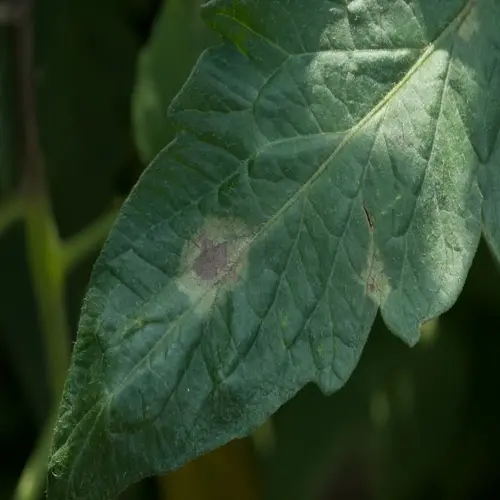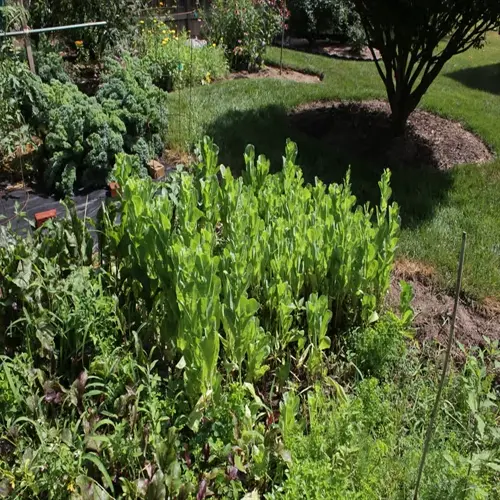

No, broccoli crop rotation matters for healthy plants. You should wait 3-4 years before planting broccoli in the same spot again. Growing broccoli same spot yearly invites disease that builds up in your soil over time.
I learned about rotating broccoli location the hard way. My third year growing broccoli in the same raised bed brought clubroot into my garden. The plants wilted on hot days even with plenty of water. Roots came up swollen and deformed when I pulled them.
Clubroot changed how I plan my garden forever. The disease lives in soil for up to 20 years once it arrives. That one infected bed still can't grow brassicas safely. I rotate everything now to keep problems from spreading.
Here's how disease builds when you skip rotation. Soil pathogens that target broccoli stay in the ground after harvest. Each year you plant broccoli there, the pathogen population grows. By year three or four, disease pressure overwhelms your plants.
Garden experts say you need at least a 3-year rotation between brassica crops. This means broccoli, cabbage, and kale all count as one family. You can't follow your broccoli with cabbage and call it real rotation.
Your brassica rotation schedule should look something like this. Plant broccoli in bed one this year. Next year, put legumes like beans or peas there. Year three, grow nightshades like tomatoes or peppers. Year four, try alliums like onions. Year five, broccoli returns.
I use a simple map to track what grows where each season. Four beds rotate through four crop families over four years. The system takes minutes to plan but saves my soil health for decades. One sheet of paper prevents a lot of problems.
Small gardens make rotation harder but not impossible. If you only have one or two beds, try growing broccoli in containers some years. Or swap halves of a bed between families. Any movement helps more than none at all.
Root diseases aren't the only reason to rotate your broccoli. Pest eggs overwinter in soil near where their host plants grew. Moving broccoli to fresh ground means emerging pests can't find breakfast. Your plants get a head start before trouble finds them.
Nutrient balance improves with rotation too. Broccoli pulls heavy nitrogen from soil. Following with legumes that add nitrogen back helps restore what broccoli took. Your soil stays fertile without adding as much fertilizer each year.
My advice: map your garden beds and track what grows where. Move broccoli and its relatives to new spots each season. Wait at least 3 years before coming back. Your plants will grow stronger and your soil will stay healthier for the long run.
Read the full article: Broccoli Plant Spacing for Maximum Yields