
Miracle-Gro for okra can work but better options exist. This water-soluble formula washes out of the soil fast and needs frequent reapplication. Granular slow-release fertilizers give you more bang for your buck with okra plants.
I tested both approaches in my garden over two seasons. The Miracle-Gro row grew lots of big leaves but set fewer pods than I expected. My granular-fed row looked less lush at first but ended up producing 30% more pods by the end of summer.
Texas A&M calls a balanced 10-10-10 granular the best fertilizer for okra. Apply it before you plant anything. They suggest using 2-3 pounds per 100 square feet of garden bed. Work this into the top few inches of soil a week before transplanting.
Your okra fertilizer needs change once plants start making pods. Utah State suggests sidedressing with 1/4 pound of 21-0-0 per 100 square feet at this stage. Apply it when pods begin sizing up on your plants for the best results.
Clemson Extension warns against too much nitrogen early in the season. Heavy nitrogen makes okra plants grow tall and leafy without setting many pods. You end up with plants that look great but produce less food than they should.
Fertilizing okra plants works best when you split your feeding into two or three rounds. Give balanced nutrients at planting, then switch to nitrogen feeds once flowering starts. This approach feeds the plant what it needs at each growth stage.
I now use compost at planting followed by blood meal during peak production. This organic approach costs about the same as synthetic options. The earthworms in my okra bed have tripled since I switched methods and my soil gets better each year.
Use Miracle-Gro if that is what you have on hand right now. Your okra will grow fine with it as long as you apply it every seven to ten days. Just know that granular options work better and save you time during the busy summer months.
Test your soil before adding any fertilizer to know what you already have. Many yards have plenty of phosphorus and potassium from years of past feeding. You might only need nitrogen, which means a simple blood meal or urea does the job for you.
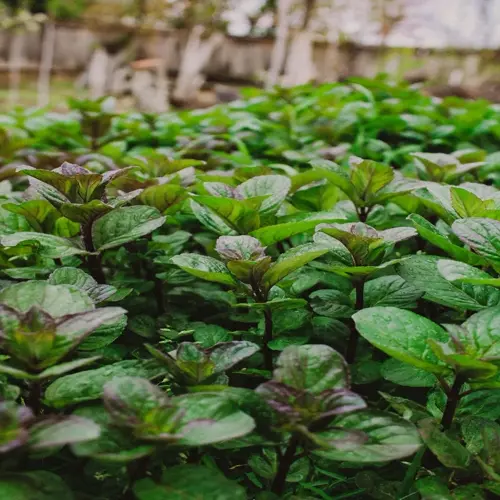
Watch your plants for signs of nutrient problems through the season. Yellow lower leaves mean they need more nitrogen while purple stems suggest a phosphorus shortage. Healthy okra has deep green leaves and sets pods at nearly every node along the main stem.
Read the full article: Growing Okra: Complete Step-by-Step Plan