
Most commercial potting mixes for roses work fine as a starting point. Almost all of them need a few tweaks before your plants will thrive though. The biggest gaps are poor drainage and missing micronutrients that roses demand during bloom season.
I tested this myself by planting the same hybrid tea variety in two containers last spring. One got straight commercial mix from the bag. The other got the same mix with 20% perlite and a slow-release fertilizer blended in. By midsummer, the amended pot had twice the bloom count and deep green leaves. The unmodified pot showed pale foliage and dropped buds before they opened.
The core problem with most store mixes is too much peat moss. Peat holds water well, but it grabs onto moisture so tight that rose roots can't get enough oxygen. Roots need air just as much as water. When a mix stays soggy for days after watering, root cells start to break down. This leads to rot that spreads fast in warm weather. You want a potting soil for rose bushes that drains within minutes, not hours.
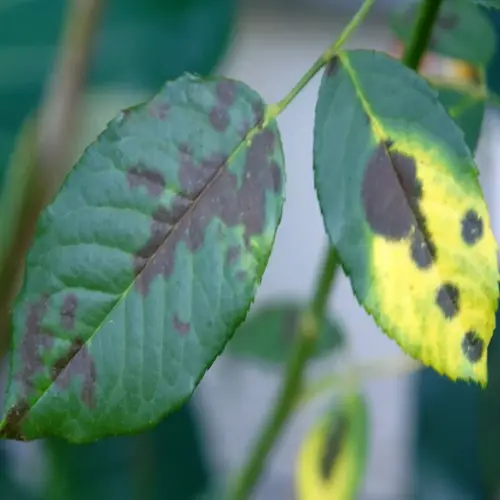
General-purpose mixes also skip the trace minerals roses need. Roses need iron, magnesium, and manganese to grow right. Without these, you get yellow leaves with green veins and weak flower color. Rose-specific mixes from garden centers cost more but tend to include these extras right in the bag.
I watched my neighbor lose three rose bushes in one season using plain potting mix in small containers. The soil stayed wet for days after each watering and the roots turned to mush. I helped her repot new roses in amended mix with perlite, and those plants took off within weeks.
You don't need to buy the pricey rose potting mix if you know how to fix a basic one yourself. The DIY approach costs less and often gives you better results since you control every part of the blend.
Boost Drainage With Perlite
- How much: Add perlite until it makes up 20% of your total mix volume to create the air gaps rose roots need.
- Why it works: Perlite pieces don't break down over time and keep air channels open even as organic matter compacts around them.
- Mixing tip: Blend perlite into the dry mix before wetting it down so it spreads through the pot instead of floating to the top.
Add Slow-Release Fertilizer
- Product type: Choose a formula with both major nutrients and micronutrients listed on the label including iron and magnesium.
- Application rate: Follow the bag rate for containers and mix the granules into the top 3 inches of soil at planting time.
- Reapply timing: Most slow-release products last 3 to 4 months, so plan a second dose for midsummer bloom support.
Replace Soil On Schedule
- Frequency: Swap out old mix every 2 to 3 years since peat breaks down and compacts, choking off root air supply.
- Warning signs: Soil that stays wet for days or pulls away from pot edges tells you the mix has broken down too far.
- Refresh method: Remove the plant, shake off old soil, trim dead roots, and repot in fresh amended mix each time.
Container size matters just as much as the mix inside it. Roses need at least a 15-gallon pot for hybrid teas. Smaller pots dry out too fast and heat up in sun, cooking roots near the edges. A big pot with good mix gives roots room to spread and holds steady moisture levels between waterings.
Grab any decent commercial mix, add your perlite and fertilizer, and your roses will grow just as well as they would in a pricey brand. Save that extra cash for more rose bushes instead. A little effort at potting time pays off in blooms all season long.
Read the full article: Ideal Soil for Roses: Expert Advice for Healthier Blooms