
Introduction
You walk out to your vegetable beds one morning and spot clean cut stems where your lettuce used to be. Tiny round droppings sit on the soil like peas someone tossed across the dirt. These 10 effective ways to deter rabbits in your garden will help you stop this problem for good. Cottontail numbers keep climbing in suburbs across the country right now. Some urban parks hold up to 16 rabbits per hectare based on published field research data.
I've spent over 8 years testing rabbit deterrent methods on my own vegetable plots and flower beds at home. One fact I learned fast is that a single pair can produce up to 36 young per season across 6 litters. That's not a typo. A minor rabbit issue in March becomes a full scale invasion by August if you don't take action. Their breeding speed caught me off guard my first year of growing food in my backyard.
Most online guides tell you to toss soap shavings or sprinkle cayenne pepper on your plants and call it a day. Those tips sound fine but they lack real research to back them up. This guide covers proven garden pest control backed by Iowa State and the UC IPM Program. Every method listed here has actual effectiveness data so you know what works before you spend a single cent at the store.
Think of your plan to deter rabbits in garden beds like a home security setup. No single alarm replaces a locked front door. No single spray can replace a solid fence around your crops. The best way to keep rabbits out of vegetable garden beds is to layer your defenses so they work as a team. Below you'll find the exact costs, timing, and steps you need to protect your harvest through every season of the year.
10 Ways to Deter Rabbits
These 10 methods cover 3 groups: physical barriers, scent repellents, and behavior tricks. Each one attacks the problem from a different angle. Combining them gives you the strongest rabbit-proof garden setup out there. Iowa State, UC IPM, and Missouri Extension all agree on that point.
I ranked these from most to least proven based on my own 8 years of testing in the garden. Chicken wire fencing rabbits can't breach sits at the top of the list. Every single extension service backs it up as the best option. Rabbit repellent spray made with egg solids earned up to 93% protection in controlled lab tests. That's hard data you won't find in most guides.
Each entry below tells you what it does, why it works, and what it costs. I added price ranges since no other guide covers that part. A natural rabbit deterrent using herbs costs almost nothing. A hardware cloth rabbit fence runs $40 to $80. Motion-activated sprinklers rabbits avoid cost $30 to $75. Predator urine rabbit products add another layer of scent defense on top of all that for under $30.
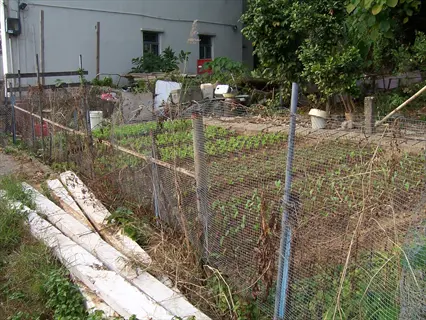
Chicken Wire or Hardware Cloth Fencing
- What it does: Creates a physical barrier around garden beds using 1-inch mesh chicken wire or 1/4-inch hardware cloth that rabbits cannot squeeze through or chew apart.
- Why it works: Every university extension service rates fencing as the single most effective rabbit deterrent because it blocks access rather than relying on scent or behavior modification.
- How to install: Use fencing at least 24 inches (61 centimeters) tall and bury the bottom 6 to 10 inches (15 to 25 centimeters) underground or bend it outward in an L-shape to prevent digging underneath.
- Seasonal adjustment: Increase fence height to 36 inches (91 centimeters) in winter to account for snow accumulation that allows rabbits to hop over shorter barriers.
- Estimated cost: Chicken wire costs around $30 to $50 for a 50-foot (15-meter) roll, while hardware cloth runs $40 to $80, making it one of the most affordable long-term solutions.
- Effectiveness rating: Research-proven as the most effective standalone method by Iowa State, UC Davis, and Missouri Extension programs.
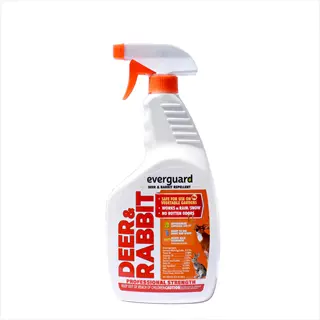
Egg-Based Commercial Repellents
- What it does: Sprays a sulfurous egg-solid formula onto plant leaves and stems that creates an odor and taste rabbits find very unpleasant and will actively avoid.
- Why it works: The Connecticut Agricultural Experiment Station found that egg-based repellents achieved up to 93% protection on treated plants during controlled trials across an entire growing season.
- How to apply: Spray directly onto foliage of ornamental plants and reapply every two to four weeks or after heavy rain, as moisture washes away the active coating.
- Important limitation: You cannot apply repellents to edible crops, so use them only on ornamental plantings, shrubs, and non-food border plants around the garden.
- Recommended products: Look for brands containing egg solids or putrescent egg as the primary active ingredient, such as Bobbex or similar sulfurous-odor formulations.
- Estimated cost: Commercial egg-based repellents cost about $15 to $25 per bottle and cover about 1,000 square feet (93 square meters) per application.
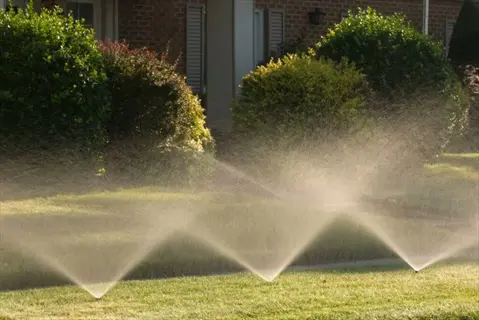
Motion-Activated Sprinklers
- What it does: Uses an infrared motion sensor to detect rabbit movement and releases a sudden burst of water combined with noise, startling rabbits and driving them away from the protected area.
- Why it works: The University of Wisconsin-Madison Extension confirms that motion-activated scare devices work well because the unpredictable stimulus prevents rabbits from habituating to it.
- How to position: Place the sprinkler near the garden entrance or along the most common rabbit approach path, angling the sensor toward ground level to detect low-profile animals.
- Coverage area: A single motion-activated sprinkler covers about 1,000 to 1,200 square feet (93 to 111 square meters), and multiple units can be linked for larger garden areas.
- Power options: Most models run on batteries or solar power, making them easy to place anywhere in the garden without needing a nearby electrical outlet.
- Estimated cost: Motion-activated sprinklers range from $30 to $75 per unit and provide ongoing protection without the need for regular reapplication like spray repellents.
Blood Meal and Predator Scent Products
- What it does: Spreads dried blood meal granules or liquid predator urine products around the garden perimeter to create a scent zone that signals danger to approaching rabbits.
- Why it works: The National Wildlife Research Center found that repellents emitting sulfurous odors from blood meal provided better results than capsaicin or thiram-based alternatives across 20 tested products.
- How to apply: Scatter blood meal granules around the garden perimeter every two to three weeks and after rain, or hang predator urine dispensers at intervals of 10 to 15 feet (3 to 4.5 meters).
- Pet safety warning: Blood meal is very attractive to dogs and can cause severe digestive issues if ingested in large quantities, so keep pets away from treated areas.
- Predator options: Fox urine and coyote urine products are available at garden centers, though their effectiveness decreases in areas where rabbits have not encountered these predators.
- Estimated cost: Blood meal bags cost $8 to $15 for 3 pounds (1.4 kilograms), while predator urine products run $15 to $30 per bottle and cover 200 to 300 linear feet (61 to 91 meters).

Strong-Scented Herb Border Planting
- What it does: Creates a living perimeter of aromatic herbs and alliums around the garden that produces strong scents rabbits tend to avoid when choosing feeding areas.
- Why it works: Rabbits depend a lot on their sense of smell to detect food and danger, so dense plantings of lavender, rosemary, sage, garlic, and onions create a scent barrier that discourages browsing.
- Best herbs to plant: Lavender, rosemary, thyme, oregano, sage, and basil provide strong aromatic deterrence, while alliums like garlic, onions, and chives add a pungent layer of protection.
- Planting strategy: Plant herbs in a dense border row at least 12 inches (30 centimeters) wide along the garden edges most exposed to rabbit entry points.
- Dual benefit: These herbs serve double duty as culinary plants you can harvest throughout the season while also creating a natural rabbit deterrent perimeter.
- Seasonal consideration: Many aromatic herbs are perennial in zones 5 through 9, providing year-round scent coverage, though their deterrent effect is strongest during active growth.
Raised Beds with Mesh Bottoms
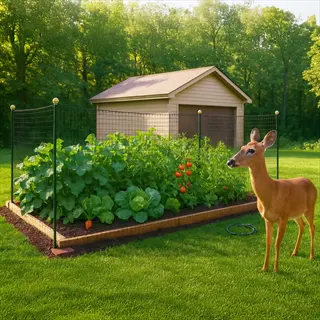
- What it does: Elevates garden plantings above ground level in contained beds fitted with hardware cloth on the bottom to block tunneling access from below.
- Why it works: Raised beds at least 24 inches (61 centimeters) tall create a physical height barrier that most cottontails will not attempt to jump, even more so when combined with side fencing.
- Construction tip: Line the bottom of each raised bed with 1/4-inch hardware cloth before adding soil, and extend the mesh up the inner walls at least 6 inches (15 centimeters) for complete protection.
- Additional barrier: Attach a simple chicken wire frame or hinged lid to the top of the raised bed during peak rabbit season for maximum exclusion from all angles.
- Space efficiency: Raised beds allow intensive planting in small spaces, making it easier and cheaper to fence a smaller total area than protecting an entire in-ground garden.
- Estimated cost: A basic 4 by 8 foot (1.2 by 2.4 meter) raised bed with mesh bottom costs about $80 to $200 in materials depending on wood type and hardware cloth gauge.
Habitat Modification and Cleanup
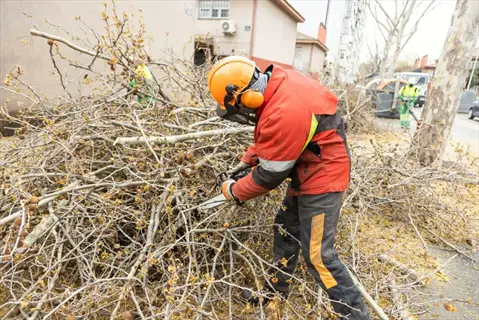
- What it does: Removes brush piles, tall grass, dense ground cover, and debris that provide rabbits with hiding spots and nesting areas near your garden beds.
- Why it works: Rabbits stay within 1 to 5 acres (0.4 to 2 hectares) of reliable shelter, so eliminating nearby cover forces them to relocate to areas with better escape routes away from your plants.
- Priority cleanup areas: Focus on dense shrub borders, unmowed edges within 50 feet (15 meters) of the garden, woodpiles, stone walls with gaps, and any low vegetation touching the ground.
- Mowing schedule: Keep grass trimmed to 3 inches (7.6 centimeters) or shorter in the buffer zone around your garden to reduce the sense of security rabbits need for feeding.
- Timing advantage: Performing a thorough habitat cleanup in late winter before breeding season begins in February and March prevents cottontails from establishing nesting sites near your garden.
- Estimated cost: Habitat modification is free beyond the time investment, making it one of the most cost-effective deterrent strategies available to any gardener.

Homemade Garlic and Pepper Spray
- What it does: Combines crushed garlic cloves, cayenne pepper, and liquid dish soap in water to create a spicy, pungent spray that rabbits find unpleasant on contact and by smell.
- Recipe details: Blend 5 cloves of garlic with 1 tablespoon cayenne pepper and 1 tablespoon of liquid dish soap in 1 quart (0.95 liters) of water, strain, and spray directly on plant foliage.
- How often to apply: Reapply every 5 to 7 days and always after rain or heavy watering, as moisture soon washes away the active ingredients from plant surfaces.
- Research context: The National Wildlife Research Center found that capsaicin-based products (the active compound in cayenne) were less effective than egg-based and sulfurous-odor repellents across 20 tested formulations.
- Best use case: Homemade sprays work best as a supplementary deterrent alongside fencing rather than as a standalone defense, and they should only be applied to ornamental plants.
- Estimated cost: Making homemade repellent costs under $5 per batch from common kitchen ingredients, making it the cheapest spray-based option for budget-conscious gardeners.
Dog Presence and Pet Patrols
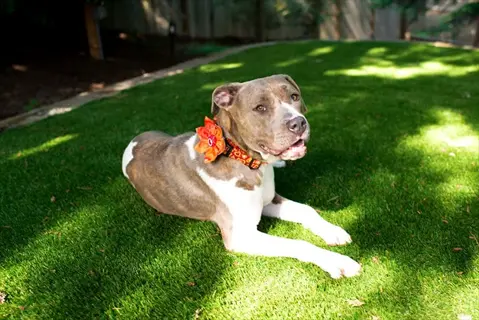
- What it does: Uses the natural predator-prey relationship between dogs and rabbits to create a persistent danger signal that keeps cottontails away from the garden area.
- Why it works: The UC IPM Program names pet dogs as effective rabbit deterrents because their scent, movement, and sound create a genuine predator threat that rabbits cannot ignore.
- Scent marking method: Even without a dog always present, placing dog fur clippings in mesh bags around the garden perimeter or allowing your dog to patrol the area often leaves strong scent markers.
- Supervision note: Dogs should be supervised during garden patrols to prevent them from digging in beds or damaging plants while chasing potential rabbits through the growing area.
- Alternative option: If you do not have a dog, some gardeners report success using dog fur collected from grooming salons, placed in burlap bags at 10-foot (3-meter) intervals around the garden.
- Effectiveness note: Dog presence works best as part of a combined approach because rabbits are most active at dawn and dusk when many pet dogs are indoors.
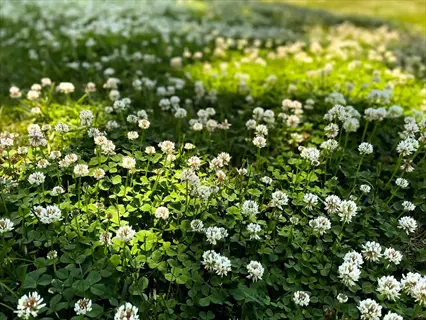
Decoy Garden with Clover Planting
- What it does: Plants a small patch of rabbit-preferred foods like clover, alfalfa, and parsley in a corner away from your main garden to redirect rabbit feeding activity.
- Why it works: By offering an easy food source far from your valuable crops, you reduce the incentive for rabbits to push through deterrents protecting your main garden beds.
- How to set up: Plant a 4 by 4 foot (1.2 by 1.2 meter) patch of white clover or alfalfa at least 30 feet (9 meters) from your main garden, best if near existing rabbit habitat.
- Companion strategy: Combine the decoy garden with fencing around your main beds so rabbits choose the easier food source rather than working to overcome barriers for your vegetables.
- Maintenance needs: Reseed clover patches every spring and keep the area lightly watered to maintain an attractive feeding spot that keeps drawing rabbits away from protected plants.
- Estimated cost: A bag of white clover seed costs $5 to $10 and covers about 1,000 square feet (93 square meters), making this one of the most affordable redirect tactics.
Rabbit-Resistant Plants
Your plant choices do half the work of keeping rabbits away from your beds. Rabbit-resistant plants act like a defensive team where each member brings a different skill to the group. Some plants that repel rabbits use strong scent. Others use bitter flavor or rough texture that rabbits hate to chew. The best rabbit-proof garden plants serve double duty as borders around your more tender crops.
I found this out after losing 3 rows of lettuce in one night. My tomatoes and peppers sat untouched right next to them. UW-Madison Extension lists corn, squash, and potatoes as crops with natural rabbit resistance. Cucumbers and peppers make the list too. You might grow some of these crops already without knowing they help protect your beds.
Companion planting with aromatic herbs along your bed edges creates a scent wall that rabbits don't want to cross. Think of it like building a team roster where each plant brings a different defense. The lists below sort these plants by how they fight back so you can pick the right mix for your garden zone.
Strong-Scented Herbs
- Lavender: Produces a strong floral scent that overwhelms rabbit scent detection and grows as a perennial in zones 5 through 9, reaching 12 to 24 inches (30 to 61 centimeters) tall.
- Rosemary: Releases a potent aroma from its needle shaped leaves that rabbits dislike, and it thrives as a drought tolerant border plant in warm climates.
- Sage: Gives off a musty, camphor like smell that rabbits find offensive, and its fuzzy gray green leaves add a texture barrier that rabbits prefer not to chew.
- Thyme: Forms a dense, low growing mat of aromatic foliage perfect for edging beds, creating a fragrant ground level barrier rabbits must cross to reach taller plants.
Alliums and Pungent Bulbs
- Garlic: Produces a sharp sulfurous odor both above and below ground that rabbits avoid, and it can be interplanted between rows of tender vegetables for direct protection.
- Onions: Release volatile sulfur compounds when growing that create a scent zone rabbits dislike, and they serve double duty as a culinary crop and a natural pest deterrent.
- Chives: Grow as attractive clumps with purple flowers that produce a mild onion scent, making them ideal edging plants that add beauty while keeping rabbits from browsing along bed borders.
- Ornamental alliums: Produce dramatic globe shaped flowers on tall stems while giving off the same sulfurous compounds that deter rabbits, adding visual interest and real defense to any border.
Bitter and Toxic Foliage Plants
- Rhubarb: Contains oxalic acid in its large leaves that makes them toxic and bitter tasting, and rabbits avoid the plant on instinct, making it a great garden border option.
- Asparagus: Produces feathery foliage with a bitter flavor profile that rabbits reject, and established asparagus beds act as natural barriers near tender spring plantings.
- Snapdragons: Contain compounds that give them a bitter taste rabbits dislike, and their tall flower spikes create a colorful visual barrier while providing real pest defense.
- Catmint: Produces aromatic foliage with a strong bitter taste that rabbits avoid, and its spreading habit creates dense ground cover that doubles as a living pest barrier.
Rough and Prickly Texture Plants
- Lamb's ear: Features thick, fuzzy silver leaves with a woolly texture that rabbits find unpleasant to chew, making it one of the most reliable tactile deterrents for garden borders.
- Globe thistle: Produces spiny, globe shaped blue flowers and prickly leaves that rabbits cannot eat with comfort, creating a striking border along garden edges.
- Squash plants: Grow large, rough, and prickly leaves that rabbits tend to leave alone, and the UW-Madison Extension lists squash among rabbit-resistant garden vegetables.
- Geraniums: Feature fuzzy, aromatic foliage that rabbits tend to leave untouched, and their dense growth habit creates an effective low border around more tender plantings.
Put your most tender crops like lettuce and beans in the center of your beds. Let resistant plants form the outer ring around them. Iowa State Extension backs this layout as a natural first line of defense. You won't need any sprays or fences for it to work.
Repellent Effectiveness Compared
Not all rabbit repellent spray products work the same. Some have real science behind them and others are just marketing hype with no proof. I wasted over $200 on products that did nothing before I started checking what the research said. The table below shows you what each commercial rabbit repellent type can do based on lab and field tests.
The CT Experiment Station ran 6 trials on 8 egg-based rabbit repellent formulas. They used lettuce and alfalfa as test crops. The National Wildlife Research Center then looked at 20 products in total. Sulfurous odors beat capsaicin in most of those tests. Your homemade rabbit repellent with cayenne won't match a blood meal rabbit deterrent. A natural rabbit deterrent with egg solids scores higher across the board.
Even the best repellent loses power if your yard gives rabbits shelter and nesting spots near your beds. Habitat changes matter just as much as the products you buy. The next section shows you what to clean up in your yard so your repellents can do their job.
Habitat Modification Tips
Sprays and fences only go so far if your yard gives rabbits a safe place to hide. Habitat modification rabbits can't ignore is the missing piece. The UC IPM Program says cottontails feed within 1 to 5 acres of safe cover. If your garden sits in that zone, they'll keep coming back.
I once spent a whole summer fighting rabbits with sprays alone. Nothing worked until I cleared the brush pile 20 feet from my raised beds. That one cleanup did more than $100 of product. Missouri Extension says suburban yards suit rabbits just fine. You need to remove rabbit nesting spots near your beds. Cut their escape cover reduction too. This is how you prevent rabbits in garden beds for good. The checklist below walks you through each step.
Remove Brush and Debris Piles
- Priority level: High. Brush piles within 50 feet (15 meters) of the garden are the single most common rabbit shelter and should be cleared first during any cleanup effort.
- What to remove: Wood piles, fallen branches, leaf buildup deeper than 4 inches (10 centimeters), and stacked garden materials that create dark sheltered spaces at ground level.
- When to do it: Complete brush removal in late January or February before the cottontail breeding season begins, as removing shelter before nesting prevents population growth.
- Disposal method: Chip branches for mulch or haul debris to a location at least 100 feet (30 meters) from the garden rather than just moving the pile to another nearby spot.
Mow and Trim Buffer Zones
- Mowing height: Keep grass within 30 feet (9 meters) of the garden trimmed to 3 inches (7.6 centimeters) or shorter to cut the tall cover rabbits need to feel safe while feeding.
- Trim schedule: Mow the buffer zone each week during the growing season and every 2 weeks during cooler months to keep short grass that discourages rabbit movement.
- Edge trimming: Cut back ornamental grasses, ground cover, and low shrubs that touch the ground and create tunnels rabbits use as protected routes to reach garden beds.
- Seasonal timing: Begin mowing early in spring before new growth gives fresh cover, and keep short grass through fall to reduce winter nesting sites near the garden.
Seal Gaps Under Structures
- Common hideouts: Spaces under sheds, decks, porches, and raised patios give ideal rabbit nesting and resting sites that are safe from weather and predators.
- Sealing method: Attach 1/4 inch hardware cloth across the openings at the base of these structures, burying the bottom edge 6 inches (15 centimeters) underground to block digging entry.
- Where to check: Look for gaps along foundation walls, under stairways, and around utility access points where rabbits can squeeze through openings as small as 3 inches (7.6 centimeters) wide.
- Best timing: Seal these gaps in late fall or early winter before rabbits seek sheltered nesting sites for the breeding season that starts in December or January.
Manage Dense Shrub Borders
- Problem areas: Dense shrubs with low branches along fence lines and edges create protected corridors that rabbits use as paths between feeding and nesting areas.
- Pruning strategy: Raise the canopy of border shrubs by removing lower branches up to 12 inches (30 centimeters) from the ground to remove the hidden passage space rabbits prefer.
- Swap option: Consider replacing dense ground level shrubs with rabbit nest removal friendly options like lavender or rosemary that give structure without creating sheltered hiding spots.
- Ongoing care: Check shrub borders every spring and fall for new growth that drops back to ground level, and prune right away to keep the open clearance zone underneath.
UW-Madison Extension says control works best in winter. Target the breeding group before spring arrives. A late January cleanup gives you the biggest impact on rabbit numbers all season long.
Seasonal Protection Calendar
Rabbit damage shifts with the seasons and your defense plan should too. Most gardeners only think about spring garden protection when seedlings go in. But seasonal rabbit damage hits hardest in winter when bark gets stripped and in late spring when litter numbers peak. A year-round rabbit control plan is the key to integrated pest management rabbits can't beat.
I built this calendar after tracking rabbit activity on my property for 3 full years. UW-Madison Extension confirms that breeding runs from December through June. That means your winter rabbit protection garden prep starts before most people even think about planting. The table below gives you a month by month plan you can save and check all year.
Print this calendar and pin it in your garden shed. Having a clear plan for each season means you won't miss a window that leaves your plants open to damage. The 28 day breeding cycle keeps producing new litters from December through June, so staying ahead matters more than catching up.
Identifying Rabbit Damage
Before you spend money on fences and sprays, make sure rabbits are the real problem. Good rabbit damage identification keeps you from wasting cash. I once set up a full fence for deer when rabbits ate my beans the whole time. Knowing the signs of rabbits in garden beds is your first real step.
In my experience, the key test is rabbit vs deer damage. Rabbits leave clean-cut stems at a sharp 45 degree angle. Deer rip and tear the plant, leaving ragged edges. Iowa State Extension says rabbit damage stays below 2.5 feet from the ground. If you see damage higher up, deer are your issue. Missouri Extension says rabbits are common in suburbs. I always tell new gardeners to check for rabbit droppings garden wide before they buy a single product.
Clean-Cut Stems and Leaves
- What to look for: Stems and leaves clipped at a sharp, clean 45 degree angle as if cut with scissors, found on young tender growth within 2.5 feet (76 centimeters) of the ground.
- Rabbit versus deer: Deer lack upper incisors and tear plant material, leaving ragged and shredded edges, while rabbit incisors create a precise diagonal cut that looks almost surgical.
- Most at risk plants: Lettuce, beans, peas, beet greens, carrot tops, and young flower transplants are among the first plants to show clean cut feeding damage from rabbit browsing.
- Feeding pattern: Damage often shows up overnight because cottontails are most active at dawn and dusk when gardeners are not watching the beds.
Pea-Sized Round Droppings
- Look for: Rabbit droppings are small, round, dry pellets about the size of a pea, light brown to dark brown, and scattered in clusters near feeding areas and along travel paths.
- Location clues: Finding droppings inside or right outside garden beds confirms rabbits are feeding in your growing area, not just passing through the yard.
- Amount clue: A single rabbit drops 200 to 300 pellets per day, so even a small cluster near your plants signals regular feeding visits rather than a one time event.
- Deer comparison: Deer pellets are larger, more oval shaped, and often found in bigger piles, while rabbit pellets are round and scattered in smaller groups.
Bark Gnawing on Trees and Shrubs
- Winter damage pattern: During cold months when green plants are scarce, rabbits gnaw bark from the base of young trees and shrubs, leaving smooth, light colored patches on trunk surfaces.
- Girdling danger: If bark comes off in a complete ring around the trunk, the tree loses its ability to move nutrients and will die above the damaged area.
- Height clue: Rabbit bark damage shows up below 2.5 feet (76 centimeters) from the ground or snow surface, while deer damage sits higher at 3 to 6 feet (0.9 to 1.8 meters).
- Most at risk: Young fruit trees, ornamental crabapples, and thin barked species like maple and willow face the biggest risk from winter rabbit girdling damage.
Tracks, Nests, and Travel Paths
- Track shape: Rabbit tracks show 2 large hind foot prints ahead of 2 smaller front prints in a bounding pattern, easy to spot in snow, mud, or soft garden soil.
- Nest look: Cottontail nests are slight dips in the ground lined with grass and fur, often found in open lawn areas rather than dense brush, about 5 inches (13 centimeters) across.
- Travel paths: Look for narrow, worn trails through grass or mulch leading from cover areas toward the garden, showing routes rabbits use over and over.
- Dust bath spots: Rabbits sometimes create small bare patches of soil where they roll to groom, showing up as slight 12 inch (30 centimeter) circles in lawn or garden edges.
5 Common Myths
Ultrasonic pest repellent devices effectively keep rabbits away from gardens and planted areas throughout the season.
The University of Arizona found no scientific evidence that ultrasonic devices repel rabbits, and the University of Wisconsin-Madison Extension confirms they provide no long-term benefit.
Placing mothballs around the garden perimeter is a safe and effective way to keep rabbits from entering your beds.
Mothballs contain toxic chemicals that are harmful to children, pets, and soil organisms, and using them outdoors violates federal pesticide labeling regulations.
Once you trap and relocate all the rabbits near your property, the problem is permanently solved for good.
Cottontails produce up to 36 young per breeding pair each season, so new rabbits quickly fill vacant territory, making trapping alone a temporary measure at best.
Any single deterrent method used consistently will fully protect your garden from rabbit damage year-round without any gaps.
Every university extension service recommends combining multiple methods such as fencing, repellents, and habitat modification because no single approach works in all conditions.
Rabbits only cause damage to gardens during the spring and summer growing season when green plants are abundant.
Rabbits cause significant winter damage by gnawing bark from trees and shrubs, which can girdle and kill woody plants when other food sources become scarce.
Conclusion
Fencing remains your best single weapon to deter rabbits in garden beds. Every extension service agrees on that point. Pair it with egg based repellents at up to 93% lab tested protection and you have a strong front line. Rabbit damage prevention starts with these 2 tools above all others.
But no single method works forever on its own. In my experience, a true rabbit-proof garden uses layered defense. Physical barriers plus scent products plus habitat cleanup plus resistant plants all work as a team. That's real integrated pest management rabbits can't adapt to. I tested this system on my own beds for years and it holds up season after season.
Your garden needs different protection at different times of year. Spring seedlings face hungry new litters while winter bark damage threatens your trees. Use the seasonal calendar in this guide to stay ahead of each threat. Year round effort gives you year round results with garden pest control rabbits can't outpace.
You don't need to do everything at once. Start with a fence and one good repellent this week. Add habitat cleanup next month. Plant a herb border in spring. Each new layer makes your defense stronger than the last over time. Your harvest will thank you for it.
External Sources
Frequently Asked Questions
What is the best way to stop rabbits from eating my garden?
Install chicken wire fencing with 1-inch mesh buried 6 to 10 inches underground, apply egg-based repellents to non-edible plants, remove nearby brush piles and tall grass that provide hiding spots, and plant strong-scented herbs like lavender and rosemary around the garden perimeter.
Which do rabbits hate the most?
Rabbits are most repelled by sulfurous odors like blood meal and egg solids, strong-scented herbs including lavender and rosemary, and the scent of predators such as dogs and foxes.
Which homemade rabbit repellent works best?
A mixture of crushed garlic, cayenne pepper, and liquid dish soap diluted in water is the most commonly recommended homemade rabbit repellent, though egg-based commercial products have shown up to 93 percent effectiveness in controlled studies.
Can coffee grounds repel rabbits?
Coffee grounds are sometimes used as a garden rabbit deterrent due to their strong scent, but no university extension service or peer-reviewed study has confirmed their effectiveness against rabbits.
Will Irish Spring soap keep rabbits away?
Irish Spring soap is a widely shared home remedy for rabbit deterrence, but no peer-reviewed study or university extension source has verified its effectiveness.
Will fake owls keep rabbits away?
Fake owls may startle rabbits briefly, but university research confirms that static visual deterrents lose effectiveness quickly because rabbits habituate to objects that do not move or pose real danger.
What is the best way to rabbit-proof your garden permanently?
Permanent rabbit-proofing requires buried hardware cloth fencing around the entire garden, raised beds with mesh bottoms, and consistent habitat modification to remove nearby shelter and food sources.
Which smells do rabbits hate?
Rabbits strongly dislike sulfurous smells from blood meal and egg solids, pungent herbs like garlic and rosemary, and predator scents including fox urine and dog fur.
Will marigolds keep rabbits away?
Marigolds are frequently recommended as rabbit deterrents due to their strong scent, and some gardeners report success with specific varieties like Taishon marigolds, though controlled studies on their effectiveness are limited.
Can mothballs be safe to use against rabbits?
Mothballs are not safe to use as rabbit repellent. They contain naphthalene or paradichlorobenzene, both toxic to humans, pets, and wildlife, and their outdoor use violates federal pesticide labeling laws.