
The plants that compete with cauliflower fall into three groups. They are heavy feeders, spreading crops, and other brassicas. These plants fight for the same soil food and water. Keep them apart if you want big healthy heads from your beds.
I learned about cauliflower competition the hard way when I planted corn in the next row over. The corn grew tall and strong while my cauliflower plants turned yellow and stayed small. Both crops wanted the same nitrogen from the soil and the corn won that fight.
My aunt made a similar mistake with squash one summer in her raised beds. The squash vines spread into her cauliflower patch and blocked all the light. Her heads never reached full size because the leaves could not make enough food for the plants.
Cauliflower needs lots of nitrogen to grow big leaves and form tight white heads. Plants that harm cauliflower growth tend to need that same nitrogen in large amounts. When two heavy feeders share soil, both crops get less than they need. Your cauliflower will show this stress with pale leaves and small heads.
Here is a list of poor cauliflower companions you should keep away from your brassica beds. Corn pulls huge amounts of nitrogen from the soil fast. Squash and melons spread out and shade nearby plants. Tomatoes and peppers need the same nutrients at the same time. Sunflowers release chemicals that slow plant growth around them.
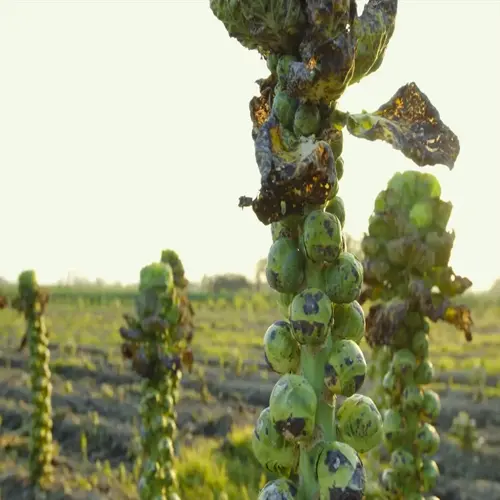
Other brassicas create a different kind of problem even though they seem like natural partners. Broccoli, cabbage, kale, and Brussels sprouts all attract the same pests. Put them too close and one cabbage worm outbreak hits every plant. They also share soil diseases that spread fast between family members.
Strawberries draw slugs to your garden beds like nothing else I have grown. Those slugs will crawl from the berries right over to your cauliflower and chew holes in the leaves. Damaged leaves mean stressed plants that make small ugly heads at harvest time.
Plan your garden with zones that keep problem plants apart from your brassica beds. Put heavy feeders like corn and squash on one side. Grow your cauliflower and other brassicas on the other side with at least 4 feet of space between the groups.
Fill the area around your cauliflower with low-demand crops that stay small. Lettuce, spinach, and herbs work great as row partners. They take little from the soil and stay short enough that they never block light from your main crop.
Draw a garden map each spring before you plant a single seed. Mark where each crop will go and check for conflicts. This simple step helps you avoid the cauliflower competition problems that shrink your harvest when plants fight each other for food and space.
Read the full article: Growing Cauliflower: 7 Key Tips