
Fall. Plantain weed spray timing comes down to that one season, and a fall spray beats a spring one on the same clump. Spring is not useless. But plantain is a perennial with a fat crown sitting right at the soil line. The leaves burn back and a fresh rosette shows up a few weeks later. Spray in cool weather while the plants are still growing and you get the strongest result UC IPM reports.
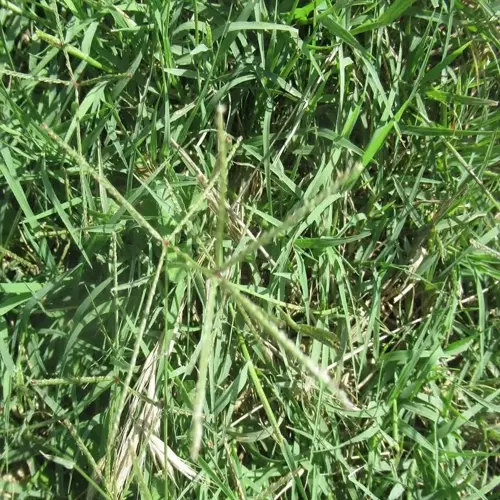
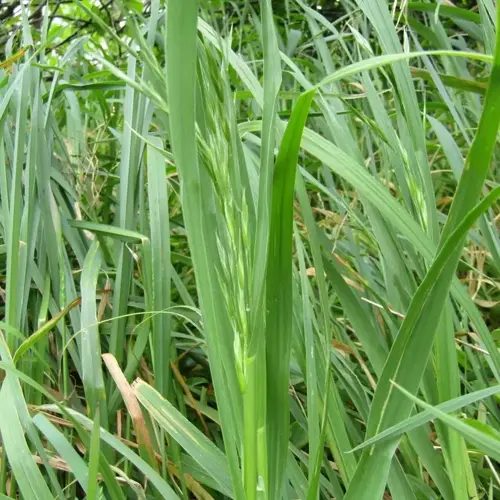
Seed stalks went up on the mailbox bank in June, thin and ribbed and standing a hand above the grass. Buckhorn plantain. The quinclorac I found on the garage shelf only gives fair control on buckhorn and poor control on broadleaf plantain, so it was the wrong jug for a clump that size. I pulled the young rosettes around it by hand and cut the spikes off the big one. In October I came back with 2,4-D for plantain that had long since outgrown the seedling stage.
UC IPM's turf guidance for California lines up with that. Mature plants respond best to 2,4-D, and any postemergence broadleaf herbicide does its strongest work in a fall application. Plant size settles the rest. Contact sprays kill only small seedlings. Diquat, glufosinate, acetic acid and plant oils all sit in that group. They burn the leaf they touch. Nothing travels down to the crown, so a mature rosette pushes right back out of the same spot.
Growing means green leaves that are still getting bigger. In fall that is the stretch after the summer heat breaks and before the ground freezes hard, when plantain is still building its root. A plant in that state takes the spray in and moves it around. A plant baked flat in August does very little of either, which is why the same jug can look like a miracle one month and a waste of forty dollars the next.
Spot treat while the weeds are actively growing, not while they sit stalled. 2,4-D, MCPP (mecoprop), dicamba and triclopyr all fit that window, and you aim at the clump rather than the whole lawn. Keep dicamba off the root zone of trees and shrubs. Roots reach well past the branch tips, so a spray under a maple still finds them. Seeding a cool-season lawn this fall? Mesotrione (Tenacity) can stop broadleaf plantain from germinating in that new turf.
Read the label before you open anything. It gives you the rate, the grass types the product will not damage, and how long people and pets stay off the treated area. Results vary from lawn to lawn with any weed killer, so a jug that cleared your neighbor's yard in one shot may only set your patch back a season. Walk the same ground next spring and count what came back.
Buckhorn and broadleaf plantain grow side by side in the same lawn, and they do not answer the same way to quinclorac. Name the plant before you pick the jug.
Try the non-chemical options first. Spray earns its place once the plantain has spread past what you want to handle by hand, and even then you are treating a few clumps in a lawn you otherwise leave alone. Fall, mature plants, 2,4-D does the most work for the least effort. Everything else on the shelf is a narrower tool for a narrower job.
Read the full article: Plantain Weed: Eat It or Get Rid of It