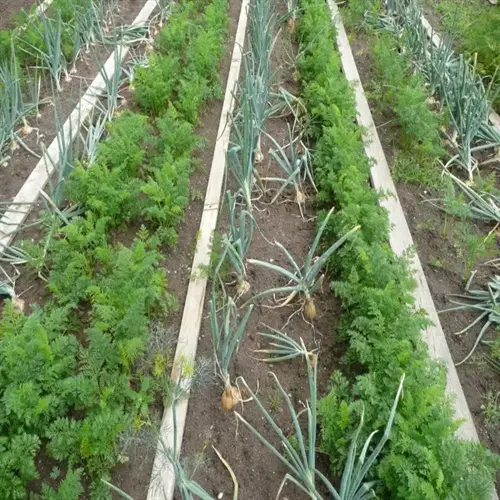

The oldest method of controlling weeds is pulling them out by hand or cutting them with a hoe. People have used these simple tools for thousands of years before any chemicals existed. These methods still work as well today as they did for your great-grandparents in their gardens.
I keep my grandmother's old stirrup hoe hanging in my garden shed as a daily reminder. She weeded a half-acre vegetable garden with nothing but that tool and her hands. Every morning she walked the rows and scraped out any weeds she spotted before breakfast. Her garden stayed clean through sheer habit and the right technique passed down through our family.
Traditional weeding methods work because they attack the problem at the source. When you pull a weed by hand, you remove the whole plant including its roots. When you slice a weed with a hoe, you cut it off below the soil surface where it cannot regrow. No herbicide can match the precision of targeting one weed at a time without touching the plants next to it.
The history of weed control stretches back to the first farms. Ancient paintings show workers using hoes in fields over 4,000 years ago. Farmers everywhere made similar tools to solve this problem. Chemical herbicides only came along in the 1940s. That means hand methods ruled for all but the last 80 years of farming.
Modern tools make these old methods even more effective now. Wheel hoes let you weed a whole row in minutes instead of hours. Ergonomic handles reduce strain on your back and wrists. Flame weeders add heat to the ancient practice of killing weeds without chemicals. You get the precision of hand weeding with less physical effort than your ancestors needed.
Stirrup Hoe or Scuffle Hoe
- Action type: Cuts weeds just below soil surface on both push and pull strokes for fast row weeding.
- Best use: Works great in loose soil between rows where you can slide the blade without hitting crop roots.
- Modern upgrade: New versions have replaceable blades that stay sharp longer than old forged steel.
Hand Fork and Trowel
- Root removal: Lets you dig around deep taproots and lift the whole weed out without breaking anything off.
- Tight spaces: Fits between plants where hoes cannot reach without damaging your vegetables or flowers.
- Modern upgrade: Stainless steel versions resist rust and stay sharper than the old carbon steel tools.
Collinear Hoe
- Precision cutting: Thin blade slices weeds at soil level with minimal soil disturbance around crop roots.
- Standing posture: Long handle lets you weed while standing upright instead of bending over for hours.
- Modern upgrade: Designed in the 1980s based on ancient hoe designs with better ergonomics.
The best time to use these traditional methods is when weeds are young and small. A quick pass with your hoe kills seedlings in seconds flat. Waiting until weeds get big means more work pulling deep roots. Check your garden twice a week and hit new weeds before they get a foothold.
These ancient ways never stopped being the best option for home gardens. Chemicals cost money, need careful handling, and can harm your soil over time. Your hands and a good hoe cost nothing after the first purchase. Pick up the same tools your ancestors used and you will see why they lasted so long.
Read the full article: Controlling Garden Weeds: 8 Methods That Work