
The core principles of pruning stay the same across all fruit trees you will ever grow. You want to build strong structure, let in light, move air through the canopy, and keep fruiting wood young. Master these ideas and you can prune any tree with confidence.
I have applied these pruning fundamentals to apples, pears, peaches, and cherries in my own yard. Each species grows a bit different, but the same rules guide every cut I make. Once you understand why these principles work, you stop second guessing yourself with the pruners in hand.
My grandmother taught me to prune her old apple orchard when I was young. She kept saying the same things over and over. Let the sunshine in. Keep the branches from rubbing. Take out the old tired wood. Those simple lessons turned out to be the whole foundation of good pruning.
Strong structure means your tree can hold heavy fruit loads without breaking. You want three to five main scaffold branches spreading out from the trunk at wide angles. Narrow angles create weak joints that split under weight. Wide angles stay strong for decades.
Light penetration matters more than most people think. Flower buds only form in spots that get good sunlight. If your tree's center stays dark and shaded, you get fruit only on the outer edges. Open up the canopy so light reaches deep inside. Your harvests will grow bigger each year.
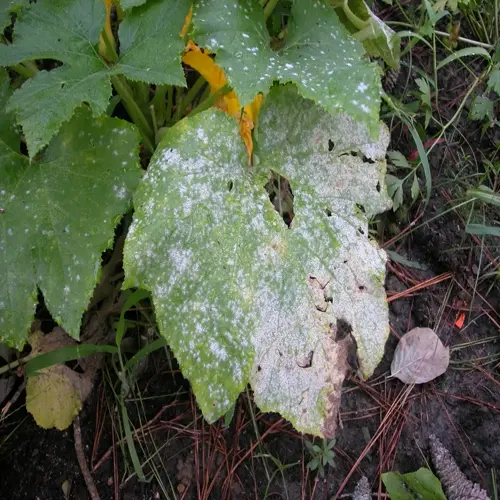
Air movement through your tree helps stop fungal diseases before they start. Wet leaves sitting in still air grow mold and mildew fast. When breezes can blow through the branches, your leaves dry quick after rain. You will spray less and your fruit stays cleaner all season long.
Fruit trees make their best crops on wood that is two to four years old depending on the species. Old tired branches slow down and stop producing well. New water sprouts grow too fast to set fruit. Your job is to keep a steady supply of middle aged wood by removing old branches and training new ones.
These basic pruning rules apply whether your tree is young or old, healthy or struggling. Start with structure on young trees and get those scaffold branches set right. Focus on light and air as your trees mature. Replace old fruiting wood to keep harvests strong year after year. The same principles work in every climate and for every common fruit tree you might grow.
Read the full article: Pruning Fruit Trees: A Complete Guide