
You have many native alternatives to ajuga that grow well in shade and spread to form dense mats. Wild ginger, creeping phlox, and green-and-gold top the list for eastern gardens. Native plants support local wildlife in ways that ajuga cannot match.
I replaced half my ajuga beds with native ground covers five years ago to see how they compared. The wild ginger took two years to fill in but now looks just as lush as the ajuga. My native sedge section attracts more butterflies and bees than the bugleweed ever did.
Gardeners seek native ground cover options for good reasons. Native plants feed local insects that evolved to eat them. Those insects feed birds and other animals up the food chain. Ajuga looks nice but gives little back to your local ecosystem since it came from Europe.
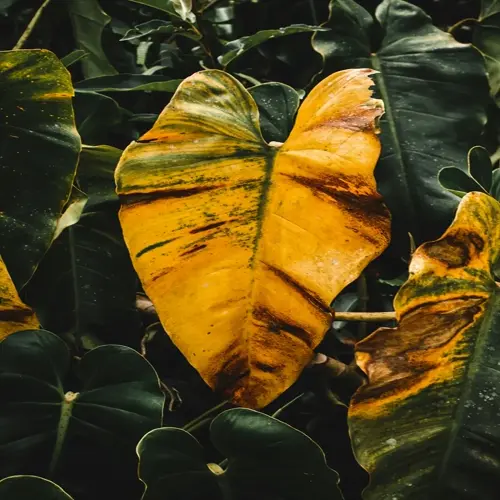
Wild ginger makes an excellent ajuga substitute for deep shade. The heart-shaped leaves form a dense carpet about 6 inches tall. Spring brings hidden brown flowers that smell like the spice. This plant spreads by roots rather than stolons, so it stays in bounds better than ajuga.
Green-and-gold works well as an ajuga substitute in partial shade. Yellow flowers cover the plants in spring and pop up again through summer. The leaves stay green most of the year in mild zones. This native spreads at about the same rate as ajuga in similar conditions.
Creeping phlox offers showy spring flowers that ajuga can't match. The blooms come in pink, white, blue, and purple shades. Foliage stays semi-evergreen through winter like ajuga does. This native handles more sun than most shade plants, which gives you more options for placement.
In my experience, wild stonecrop fills the same garden role as ajuga in dry shade. The fleshy leaves handle drought better than most ground covers. Yellow flowers appear in late spring and attract native bees. This tough plant grows well in poor rocky soil where ajuga would struggle.
Native sedges work great as ajuga substitutes in your shady gardens. Pennsylvania sedge forms soft green tufts that blend together over time. It handles foot traffic and stays green through winter in most zones. The grass-like texture adds variety next to broad-leaved plants.
Pick your native ground cover based on your specific spot and what you want it to do. Match light levels first since most natives won't tolerate the wrong amount of sun. Check that your soil type works for the plant you choose. Start with a test patch before you replace all your ajuga at once.
Read the full article: Ajuga Ground Cover: Complete Growing Guide