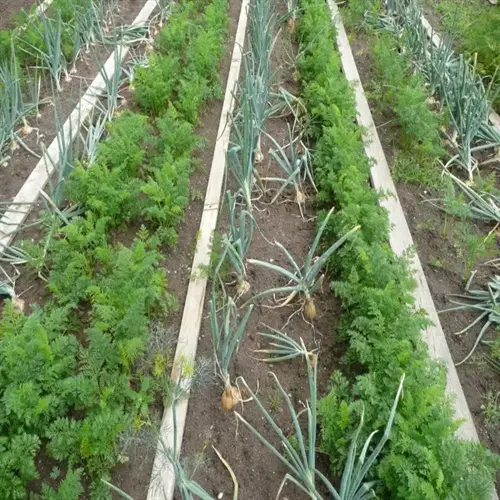

You stop weeds in garden bed areas by layering barriers that block light and create physical obstacles. Mulch is your first line of defense. Add cardboard underneath for extra power. Plant your crops close together so their leaves shade the soil. These layers work together to keep weeds from ever seeing sunlight.
I tested the lasagna method on my worst weed-infested bed two years ago. I laid down wet cardboard right over the weeds, then added 4 inches of wood chips on top. The cardboard killed everything underneath and the mulch blocked new seeds from sprouting. In my experience that bed went from constant weeding to almost zero maintenance in one season.
Most weed seeds need light to trigger sprouting. When you cover soil with mulch, you block the light signal that tells seeds to wake up. Research shows that 2-4 inches of mulch provides up to 95% weed suppression. The thicker your mulch layer, the fewer weeds will break through to reach the sun.
To prevent weeds in flower beds and vegetable gardens, you need to think in layers. The first layer is cardboard or newspaper that smothers existing weeds and blocks new growth. The second layer is 3-4 inches of organic mulch that maintains darkness and adds a physical barrier. The third layer is your plants growing close enough to shade any gaps.
A weed barrier garden beds setup using landscape fabric works in some cases but has drawbacks. Fabric blocks weeds at first but breaks down over time. Mulch on top of fabric slides around and leaves bare spots. Weeds root into the fabric and become harder to pull. When I first tried fabric, I fought it for three frustrating years before giving up.
Base Layer: Cardboard or Paper
- Material choice: Plain brown cardboard works best since glossy or colored boxes may have chemicals in the ink.
- Application: Overlap edges by 6 inches so weeds cannot find gaps to grow through anywhere.
- Timing: Wet the cardboard before laying it so it stays in place and breaks down faster into the soil.
Middle Layer: Organic Mulch
- Depth needed: Apply 3-4 inches thick for maximum weed suppression across your entire bed.
- Best materials: Wood chips, shredded bark, or straw all work well depending on your garden style.
- Refresh timing: Top up mulch each spring as it breaks down and thins out over the growing season.
Top Layer: Dense Planting
- Spacing strategy: Plant at the closer end of spacing ranges so leaves touch and shade the mulch below.
- Ground covers: Add low-growing plants between larger ones to fill every gap where weeds could sprout.
- Living mulch: Some gardeners plant clover or other cover crops right in their vegetable beds.
Keep your mulch layer thick throughout the season. Pull any weeds that do break through right away before they can make seeds. Add fresh mulch around new plants as you put them in. Your layers degrade over time so you need to maintain them each year to keep the system working.
This layered approach takes more effort to set up than just planting and hoping. But once your system is in place, you spend minutes each week on weed control instead of hours. Your beds stay clean, your plants grow better without competition, and you can enjoy your garden instead of fighting it.
Read the full article: Controlling Garden Weeds: 8 Methods That Work