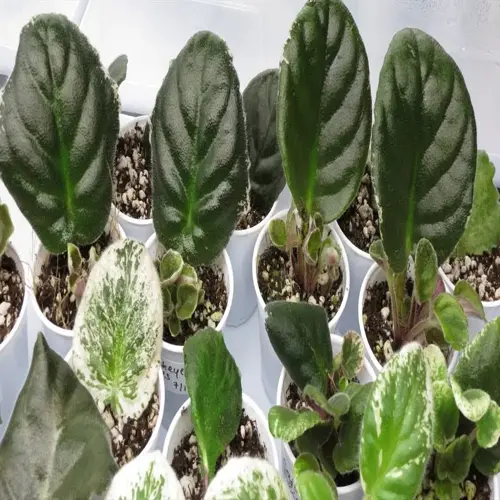

The best ajuga plant spacing falls between 6-12 inches apart for most garden uses. Closer spacing fills in faster but costs more in plants. Wider spacing saves money but takes longer to achieve full coverage. Your choice depends on budget and how fast you want results.
I tested three spacing zones in my own garden to see what works best. My 6-inch spacing filled in solid within one growing season. The 9-inch section took about 18 months to close all gaps. Plants spaced 12 inches apart needed two full years before the ground cover looked complete. All three areas look identical now.
Ajuga spreads through stolons, which are stems that run along the soil surface. Each stolon sends out new roots and forms a baby plant at its tip. One ajuga can send out multiple stolons in all directions each year. This growth habit means even widely spaced plants will connect over time.
When you figure out how many ajuga plants per square foot you need, the math gets simple. At 6-inch spacing, you need 4 plants per square foot. At 9-inch spacing, you need about 2 plants per square foot. At 12-inch spacing, just 1 plant covers each square foot. Multiply by your total square footage to get your plant count.
The ajuga planting distance you pick should match your project goals. Use 6-inch spacing for high-traffic areas where you want fast coverage to prevent weeds. Try 9-inch spacing for borders and beds where you have time to wait. Save 12-inch spacing for large areas where plant cost matters more than speed.
In my experience, the sweet spot lands at 8-9 inches for most home gardens. You get decent coverage within one year without breaking the bank on plants. The stolons grow fast enough to fill gaps before weeds take hold. You won't see bare soil by the end of the first summer.
Variety choice affects how fast your ajuga fills in at any spacing. Larger varieties like 'Catlin's Giant' spread faster than compact types like 'Chocolate Chip'. The big-leaved kinds send out longer stolons and cover more ground each year. Factor this into your spacing decision based on which variety you choose.
Soil quality and light levels also play a role in spread rate. Rich soil with good drainage helps stolons grow longer and root faster. Shady spots often see slower spread than areas with morning sun. Amend poor soil before planting to give your ajuga the best start possible.
You can always add more plants later if gaps bother you. Start with wider spacing and fill in bare spots with divisions from your own plants. This approach saves money up front. You end up with the same full coverage, just a season or two later than close planting would give you.
Read the full article: Ajuga Ground Cover: Complete Growing Guide