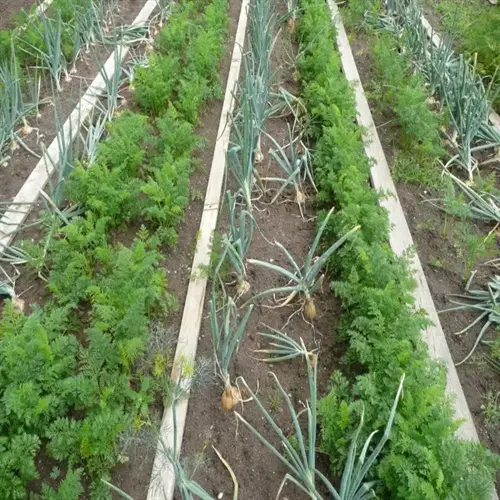

Knowing how farmers control weeds shows you what works at the largest scale. Modern farmers use multiple tools at once. They mix cultivation, crop rotation, cover crops, and targeted sprays to keep weeds from taking over their fields.
I spent a week working on my uncle's corn farm one summer and saw agricultural weed management in action. He ran a cultivator between rows twice before the corn got too tall. That mechanical pass killed 80% of the weeds without any chemicals. He only sprayed the patches where problem weeds kept coming back year after year.
Cultivation remains the backbone of commercial weed control on most farms today. The UC IPM program reports that basic tillage handles around 80% of weed problems when timed right. Deep plowing can reduce tough weeds like nutsedge by 95-98% by burying their tubers too deep to sprout. Farmers hit weeds with steel before they ever reach for a spray tank.
Crop rotation breaks weed cycles that would build up in the same field over time. When a farmer plants corn one year and soybeans the next, weeds that thrive under corn struggle under soybeans. Changing crops also means changing herbicides. This stops weeds from building resistance. The same field might see four different crops over four years.
Cover crops smother weeds between cash crop seasons. Farmers plant rye, clover, or vetch after harvest to cover bare soil through winter. These cover plants grow thick and block sunlight from reaching weed seeds below. When the farmer kills the cover crop in spring, the dead plants form a mulch layer that keeps weeds down.
Cultivation Timing
- When to cultivate: Hit weeds in the white thread stage right after sprouting when they die from any disturbance.
- Tool choice: A hoe works like a mini cultivator between your garden rows for the same weed-killing effect.
- Frequency: Cultivate every 7-10 days during peak growing season to catch each new wave of weeds.
Cover Cropping
- Fall planting: Sow winter rye or crimson clover after you clear your summer garden for weed suppression.
- Spring prep: Cut or till the cover crop 2-3 weeks before planting to let it break down into mulch.
- Bonus effect: Cover crops add nitrogen and organic matter while blocking weeds all winter long.
Crop Rotation
- Simple rotation: Move tomatoes and other crops to different beds each year to break pest and weed cycles.
- Weed pressure: Some crops shade out weeds better than others so rotate heavy feeders with dense growers.
- Four-year plan: Rotate between root crops, leafy greens, fruiting crops, and legumes for best results.
You can adapt these farm-scale methods to your backyard without any special gear at all. Run a hoe through your beds every week just like a farmer runs a cultivator through fields. Plant a cover crop after your summer vegetables come out. Move your tomatoes to a new spot each spring so weeds cannot adapt to your pattern.
Farmers spend their lives figuring out what works against weeds. Their knowledge comes from generations of trial and error across millions of acres. Take their lessons and shrink them down to garden scale. You will get the same weed control they do without needing a tractor or a spray rig.
Read the full article: Controlling Garden Weeds: 8 Methods That Work