
Introduction
Growing Herbs Indoors: The Ultimate Beginner's Guide starts with one simple truth. You don't need a backyard, a green thumb, or perfect weather to enjoy fresh herbs every day. Your kitchen windowsill can become a miniature farm that saves money. Those fresh flavors beat anything you can find in dried form at the grocery store.
Fresh herbs do more than make your food taste better. Americans consume about 3,440 mg of sodium each day. That's nearly 50% higher than the recommended limit of 2,300 mg. Cooking with herbs instead of salt can cut your sodium intake by almost 1,000 mg per day. That's a huge win for your heart and blood pressure.
I started my first indoor herb garden five years ago with nothing more than a sunny window and three small pots. Since then I've grown over 20 different herbs and learned what works for a beginner herb garden in any living space. The mistakes I made early on taught me exactly what new growers need to know before they plant their first seed.
This guide walks you through every step of creating a thriving kitchen herb garden inside your home. You'll learn which herbs grow best indoors, how to set up your space, and how to keep your plants healthy. With the right care, your herbs can produce months or even years of fresh harvests right from your windowsill.
12 Best Herbs for Indoor Growing
Not all herbs thrive inside a home the same way. Some plants will reward you with fresh leaves for months while others struggle from day one. Iowa State University groups the best herbs to grow indoors into two categories. The easiest herbs to grow indoors include parsley, mint, chives, basil, oregano, cilantro, and thyme. I've grown basil indoors for years and it forgives most beginner mistakes.
The intermediate group takes more attention but still works for most home growers. This list includes rosemary, sage, lemon balm, chervil, and bay laurel. You can also grow parsley indoors with great results. Most beginners find success by starting with mint indoors or chives indoors. Once you master those, move on to rosemary indoors or other tricky options.
Basil
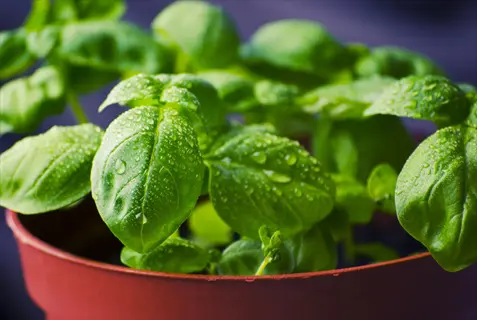
- Light Needs: Requires 6-8 hours of direct sunlight daily, making south-facing windows ideal for this heat-loving Mediterranean herb.
- Temperature: Cannot survive below 50 degrees Fahrenheit (10 degrees Celsius), so keep away from cold drafts and windows during winter months.
- Watering: Prefers consistently moist soil but not waterlogged. Water when the top inch (2.5 cm) of soil feels dry to the touch.
- Best Varieties: Sweet basil, Thai basil, and Genovese basil all perform well indoors with proper light conditions.
- Harvesting: Pinch leaves from the top to encourage bushier growth. Harvest before flowers appear for the best flavor concentration.
- Pet Safety: Generally safe for cats and dogs, though large quantities may cause mild digestive upset in sensitive pets.
Chives
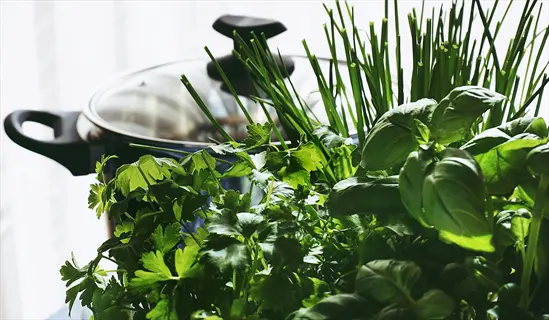
- Light Needs: Tolerates partial shade with just 4-6 hours of sunlight, making them excellent for east or west-facing windows.
- Temperature: Hardy between 60-70 degrees Fahrenheit (15-21 degrees Celsius) and can tolerate brief exposure to light frost before moving indoors.
- Watering: Keep soil evenly moist but well-drained. These herbs are more forgiving of inconsistent watering than most kitchen herbs.
- Best Varieties: Common chives and garlic chives both thrive indoors, with garlic chives offering a milder onion-garlic flavor.
- Harvesting: Cut leaves 2 inches (5 cm) above soil level with scissors. Regular harvesting encourages fresh new growth throughout the year.
- Pet Safety: Toxic to cats and dogs in large amounts as they belong to the allium family. Keep containers out of pet reach.
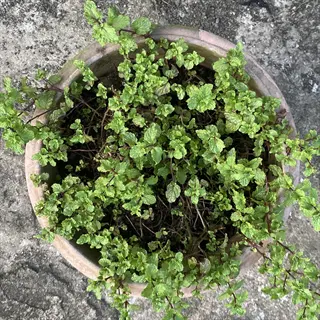
Mint
- Light Needs: Adaptable to lower light conditions with 4-6 hours of indirect sunlight, though more light produces more flavorful leaves.
- Temperature: Thrives between 55-70 degrees Fahrenheit (13-21 degrees Celsius) and benefits from cooler nighttime temperatures.
- Watering: Prefers consistently moist soil and higher humidity. Mist leaves occasionally or place on a pebble tray with water.
- Best Varieties: Spearmint, peppermint, and chocolate mint all grow vigorously indoors. Choose based on your preferred culinary uses.
- Container Warning: Extremely aggressive spreader that will overtake other herbs. Always grow mint in its own dedicated container.
- Pet Safety: Generally safe for cats and dogs, though excessive consumption may cause mild stomach upset in some animals.
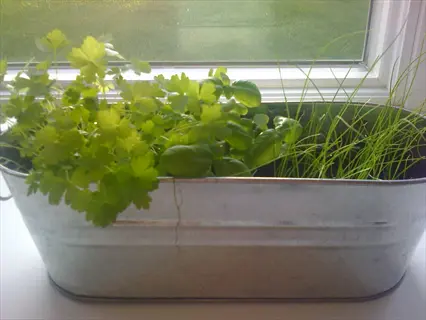
Parsley
- Light Needs: Requires 6-8 hours of direct sunlight or 12-14 hours under grow lights for optimal leaf production.
- Temperature: Prefers cooler conditions between 60-70 degrees Fahrenheit (15-21 degrees Celsius). Heat causes bitter flavor development.
- Watering: Keep soil consistently moist but not soggy. Parsley has a deep taproot that benefits from thorough, less frequent watering.
- Best Varieties: Flat-leaf (Italian) parsley offers stronger flavor for cooking, while curly parsley works better as garnish.
- Germination Note: Seeds can take 2-4 weeks to germinate. Soaking seeds overnight speeds up the process significantly.
- Pet Safety: Safe for cats and dogs in normal culinary amounts, making it an excellent choice for pet-friendly households.
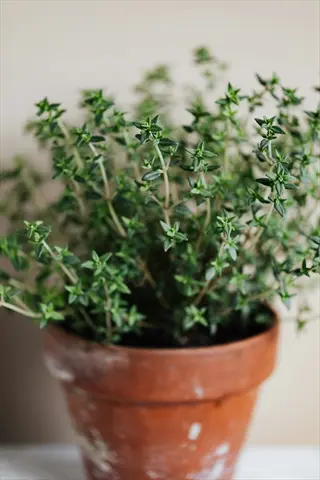
Thyme
- Light Needs: Requires full sun with 6-8 hours of direct light daily. Insufficient light causes leggy, weak growth patterns.
- Temperature: Mediterranean native that tolerates a wide range from 60-75 degrees Fahrenheit (15-24 degrees Celsius).
- Watering: Allow soil to dry completely between watering. Overwatering is the most common cause of thyme failure indoors.
- Best Varieties: Common thyme, lemon thyme, and English thyme all perform well indoors with proper drainage conditions.
- Soil Needs: Requires excellent drainage with sandy or gritty soil mix. Add extra perlite to standard potting mix for best results.
- Pet Safety: Non-toxic to cats and dogs, making thyme a safe addition to any household with curious pets.
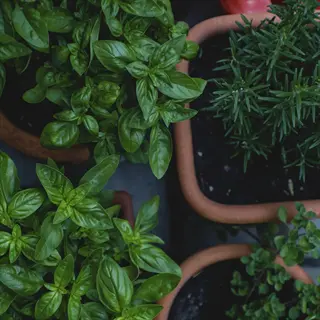
Oregano
- Light Needs: Full sun lover requiring 6-8 hours of direct sunlight. Grows more compact and flavorful with adequate light exposure.
- Temperature: Thrives between 65-75 degrees Fahrenheit (18-24 degrees Celsius) during the day with slightly cooler nights.
- Watering: Mediterranean herb that prefers dry conditions. Water only when soil is completely dry 2 inches (5 cm) deep.
- Best Varieties: Greek oregano offers the strongest flavor, while Italian oregano provides milder taste for everyday cooking.
- Growth Habit: Tends to become woody over time. Replace plants every 2-3 years or propagate new plants from cuttings.
- Pet Safety: Non-toxic to cats and dogs, though the strong essential oils may deter pets from showing interest.
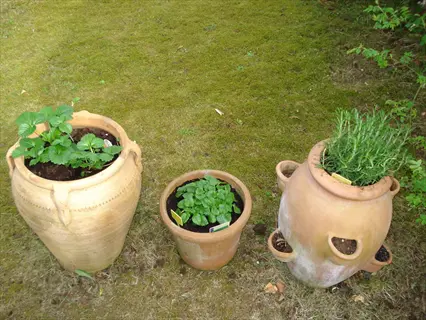
Rosemary
- Light Needs: Demands maximum light with 6-8 hours of direct sun. Often requires supplemental grow lights during winter months.
- Temperature: Prefers cooler conditions between 55-70 degrees Fahrenheit (13-21 degrees Celsius). Sensitive to temperature extremes.
- Watering: Allow soil to dry between watering but not completely bone dry. Overwatering causes root rot while underwatering causes needle drop.
- Humidity Challenge: Struggles with dry indoor air. Mist regularly or use a humidity tray, but avoid wetting foliage at night.
- Difficulty Level: Considered intermediate to difficult for beginners due to its sensitivity to indoor conditions and watering balance.
- Pet Safety: Non-toxic to cats and dogs, with its strong scent often naturally deterring curious pets from nibbling.
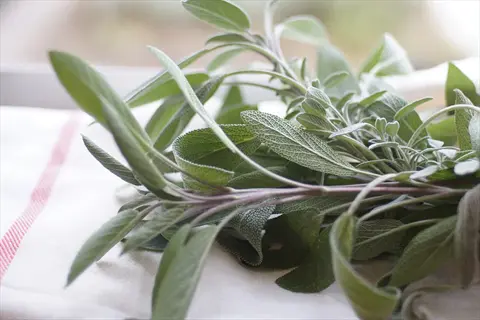
Sage
- Light Needs: Requires full sun with 6-8 hours of direct light. Insufficient light produces weak flavor and leggy growth.
- Temperature: Tolerates a wide range from 60-70 degrees Fahrenheit (15-21 degrees Celsius) and handles cooler nights well.
- Watering: Mediterranean native that needs excellent drainage. Allow soil to dry completely between watering sessions.
- Best Varieties: Common sage is easiest for beginners, while purple and tricolor sage offer ornamental appeal with culinary use.
- Harvesting Tip: Harvest sparingly in the first year to allow establishment. Mature plants tolerate more aggressive cutting.
- Pet Safety: Safe for cats and dogs in small amounts, though concentrated essential oils should be kept away from pets.
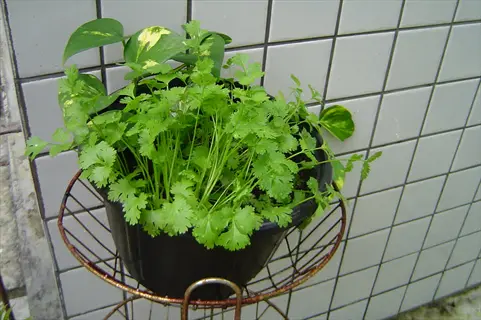
Cilantro
- Light Needs: Prefers partial shade to full sun with 4-6 hours of light. Too much heat causes rapid bolting to seed.
- Temperature: Cool-season herb thriving between 50-70 degrees Fahrenheit (10-21 degrees Celsius). Heat triggers early flowering.
- Watering: Keep soil consistently moist but not waterlogged. Drying out accelerates bolting and reduces leaf production.
- Succession Planting: Seeds bolt quickly, so plant new seeds every 2-3 weeks for continuous harvest throughout the year.
- Dual Harvest: Allow some plants to bolt for coriander seeds, giving you two culinary products from one planting.
- Pet Safety: Non-toxic to cats and dogs, making cilantro a safe choice for households with curious four-legged companions.
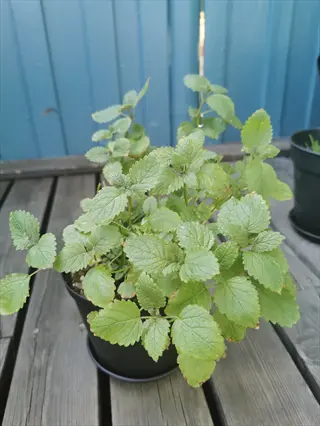
Lemon Balm
- Light Needs: Tolerates partial shade with 4-6 hours of sunlight, making it suitable for less sunny indoor locations.
- Temperature: Adaptable to typical indoor temperatures between 60-70 degrees Fahrenheit (15-21 degrees Celsius).
- Watering: Keep soil moderately moist. More forgiving of inconsistent watering than many other popular kitchen herbs.
- Growth Habit: Vigorous grower in the mint family that benefits from regular pinching to maintain bushy, compact form.
- Culinary Uses: Mild lemon flavor perfect for teas, desserts, salads, and as a fresh garnish for summer beverages.
- Pet Safety: Safe for cats and dogs, and the calming properties make it a popular choice in pet-safe gardens.
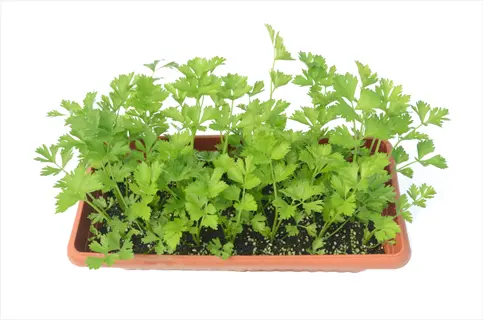
Chervil
- Light Needs: Prefers partial shade with just 4-5 hours of indirect light. Too much direct sun causes bitter flavor.
- Temperature: Cool-season herb that thrives between 55-65 degrees Fahrenheit (13-18 degrees Celsius). Heat causes bolting.
- Watering: Keep soil consistently moist. Chervil has delicate roots that do not tolerate drying out between watering.
- Culinary Profile: Delicate anise-parsley flavor essential in French fines herbes blend. Use fresh as cooking diminishes flavor.
- Short Lifespan: Annual herb that bolts quickly. Succession plant every 3-4 weeks for continuous fresh supply.
- Pet Safety: Generally considered safe for cats and dogs, though not commonly eaten by pets due to mild flavor.
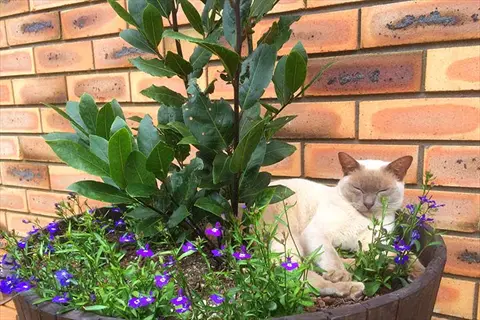
Bay Laurel
- Light Needs: Requires full to partial sun with 5-6 hours of light. Tolerates slightly lower light than Mediterranean herbs.
- Temperature: Prefers moderate conditions between 60-75 degrees Fahrenheit (15-24 degrees Celsius). Protect from cold drafts.
- Watering: Allow top inch (2.5 cm) of soil to dry between watering. Sensitive to both overwatering and complete drought.
- Growth Form: Slow-growing tree that can be kept compact through regular pruning and container size management.
- Harvest Method: Pick mature leaves as needed. Dried bay leaves have stronger flavor than fresh and store for months.
- Pet Safety: Toxic to cats and dogs if consumed in large quantities. Keep plants out of reach of curious pets.
Setting Up Your Indoor Garden
Your setup makes or breaks your indoor herb garden. I learned this the hard way when my first batch of basil died within weeks because I used the wrong pot and soil combo. The right container, soil mix, and light source will give your herbs what they need to thrive for months.
Your south-facing window herbs get the most direct sunlight throughout the day. That's often 6 to 8 hours of good light. North windows rarely provide enough, so you may need grow lights for herbs in those spots. Penn State shows that two 40 watt cool white bulbs placed 6 to 12 inches from plants for 14 to 16 hours works great.
The soil for indoor herbs needs good drainage above all else. Mix 2 parts soilless potting mixture with 1 part perlite for best results. This blend keeps roots moist but never soggy. Your container choice matters too. Terra cotta pots breathe like cotton fabric while plastic retains moisture like a raincoat. Pick your pot based on what your herbs prefer.
Every container you use must have drainage holes at the bottom. Without them, water pools around roots and causes rot within days. The best pots for indoor herbs come in sizes at least 6 inches deep with proper holes. Some growers add a layer of small rocks at the bottom, but research shows this can trap water instead of helping it drain.
Caring for Indoor Herbs
Good indoor herb care comes down to finding the right balance. I've killed more herbs from overwatering than any other mistake. The trick is knowing what each plant needs and watching for signs that something is off. Most problems show up in the leaves first if you know what to look for.
How often water indoor herbs depends on the type you grow. Mediterranean herbs like thyme and rosemary want their soil dry between drinks. Basil and mint prefer soil that stays moist. When watering herbs indoors, check the soil first. It should feel like a wrung out sponge, not soggy like a wet washcloth. Signs of overwatering herbs include yellow lower leaves and mushy stems.
Humidity for herbs sits in the 40% to 60% range for most types. Home heating can drop it lower. You can fix this by grouping plants together or using pebble trays with water. Fertilizing indoor herbs takes a light touch. Penn State warns that too much fertilizer hurts aroma and taste. Stick to a dilute mix every two weeks.
Watering Guidelines by Herb Type
- Mediterranean Herbs: Rosemary, thyme, oregano, and sage need their soil to dry out completely between watering sessions to prevent root rot.
- Moisture-Loving Herbs: Basil, mint, parsley, and chervil prefer consistently moist soil and should be watered when the top inch (2.5 cm) feels dry.
- Testing Method: Insert your finger 1-2 inches (2.5-5 cm) into the soil. If it feels dry at that depth, water thoroughly until it drains from the bottom.
- Bottom Watering: Place pots in a tray of water for 20-30 minutes to allow roots to absorb moisture from below, reducing fungus gnat problems.
Fertilizing Schedule and Method
- Frequency: Apply dilute water-soluble fertilizer every two weeks during active growth. Over-fertilizing reduces essential oils that create flavor.
- Strength: Use fertilizer at half the recommended strength. Herbs need fewer nutrients than flowering plants or vegetables.
- Type: Fish emulsion or balanced liquid fertilizer works well. Avoid high-nitrogen formulas that promote leaf growth at the expense of flavor.
- Winter Reduction: Reduce or stop fertilizing during winter months when growth naturally slows due to lower light levels.
Temperature and Air Circulation
- Daytime Range: Most herbs thrive between 65-70 degrees Fahrenheit (18-21 degrees Celsius) during the day, matching typical home temperatures.
- Nighttime Drop: Slightly cooler nights of 55-60 degrees Fahrenheit (13-15 degrees Celsius) benefit most herbs and mimic natural conditions.
- Cold Sensitivity: Keep basil away from drafty windows as it cannot survive temperatures below 50 degrees Fahrenheit (10 degrees Celsius).
- Air Flow: Gentle air circulation from an oscillating fan prevents fungal diseases and strengthens stems. Avoid direct cold or hot air vents.
Humidity Management Indoors
- Ideal Range: Most herbs perform best at 40-60% relative humidity. Indoor heating often drops humidity below this optimal range.
- Pebble Tray Method: Place pots on trays filled with pebbles and water. Evaporation increases local humidity without wetting the soil.
- Grouping Plants: Clustering herbs together creates a microclimate with higher humidity as plants naturally release moisture through transpiration.
- Misting Caution: Light misting helps humidity-loving herbs but avoid wetting foliage at night, which promotes fungal growth on susceptible plants.
Propagation Methods
You have four main ways to start herbs inside your home. Each herb propagation method has its own pros and cons. I've used all of them over the years and found that the best choice depends on which herb you want and how fast you need it growing.
Growing herbs from seed indoors costs the least but takes the longest. Starting herbs from seed works great for basil, cilantro, and parsley. You can also take herb cuttings from plants you already own. Cut 3 to 4 inch sections at a 45 degree angle, like the slope of a playground slide. This angle helps the stem take up water while avoiding rot. Dip the cut end in rooting powder for best results.
Transplanting herbs from the nursery gives you a head start on growth. This works best for rosemary that takes forever from seed. Dividing herbs is another free option if you have mature plants at home. Mint, chives, and oregano all split apart well. These herbs benefit from a light frost before you bring them inside. That brief cold triggers dormancy and helps them adjust.
Harvesting and Preserving Herbs
Knowing how to harvest indoor herbs makes all the difference in your cooking. I tested this by picking herbs at different times of day. Morning harvest captures peak oils before they fade in the heat. When to harvest herbs also depends on flowering. You should always cut before flowers appear since blooming makes your leaves turn bitter.
Harvesting herbs the right way keeps your plants producing for months. Your annual herbs like basil and cilantro can handle losing up to half their growth at once. Perennial herbs like rosemary and sage should only lose about one third at a time. This rule helps your plants bounce back fast without stress.
Storing fresh herbs, drying herbs, and freezing herbs gives you options for your extra harvest. I freeze chopped herbs in olive oil cubes for quick cooking. But you should avoid making herb oils stored at room temperature. Research warns that homemade herb oils risk botulism if not kept cold. Stick to frozen cubes or dried herbs for your safe storage.
Optimal Harvesting Timing
- Morning Harvest: Pick herbs in the morning after dew has dried but before the heat of midday causes essential oils to evaporate from the leaves.
- Pre-Flowering Stage: Harvest leaves just before the plant flowers when oil concentration reaches its peak. Once flowers appear, leaf flavor often becomes bitter.
- Regular Trimming: Frequent light harvests encourage bushier growth and prevent leggy plants. This also delays flowering and extends the productive harvest period.
- Seasonal Peak: Most herbs reach peak flavor in late spring through early summer, though indoor herbs provide usable harvests year-round with proper care.
Cutting Techniques by Plant Type
- Annual Herbs: Basil, cilantro, and dill tolerate cutting up to one-half of the plant at a time without causing stress or stunting regrowth.
- Perennial Herbs: Rosemary, thyme, sage, and oregano should have no more than one-third of their growth removed at once to maintain plant health.
- Pinching Method: For bushy growth, pinch stem tips just above a leaf node. This encourages two new branches to grow from that point.
- Clean Tools: Use sharp, clean scissors or pruning shears. Dull or dirty cuts can damage stems and introduce disease to your plants.
Fresh Storage Methods
- Refrigerator Bouquet: Stand soft herbs like basil, cilantro, and parsley in a glass of water, cover loosely with plastic, and refrigerate for up to two weeks.
- Damp Paper Towel: Wrap hardy herbs like rosemary, thyme, and sage in slightly damp paper towels, place in a sealed bag, and refrigerate for 2-3 weeks.
- Counter Storage: Basil prefers room temperature. Keep stems in water on the counter away from direct sunlight for up to one week of freshness.
- Avoid Washing Until Use: Moisture promotes decay. Wait to wash herbs until just before using them to maximize storage life and quality.
Long-Term Preservation Options
- Air Drying: Bundle stems together and hang upside down in a warm, dry, well-ventilated area for 1-2 weeks until leaves crumble easily when touched.
- Freezing in Oil: Chop herbs finely, pack into ice cube trays, cover with olive oil, and freeze. Pop out cubes for instant flavor in cooking.
- Flat Freezing: Spread clean, dry leaves on a baking sheet, freeze until solid, then transfer to freezer bags. This preserves individual leaves for easy use.
- Safety Warning: Avoid making homemade herb-infused oils stored at room temperature due to serious botulism risk. Use frozen herb cubes in oil instead.
Troubleshooting Common Problems
Every indoor herb grower runs into indoor herb problems at some point. In my experience, most problems have simple fixes once you know what to look for. I tested different solutions over the years. Your plants will tell you what's wrong if you learn to read the signs.
Yellowing herb leaves rank as the most common complaint from beginners. Overwatered herbs symptoms include yellow lower leaves, soggy soil, and a musty smell from the pot. Leggy herbs that stretch toward light need a brighter spot or grow lights. Check your plant's position and water schedule before you panic.
Herb pests indoors can spread fast if you don't catch them early. Fungus gnats herbs show up when soil stays too wet. Spider mites herbs thrive in dry air and leave tiny webs between leaves. You should never spray insecticides on herbs you plan to eat. Water sprays and sticky traps work better for safe pest control.
Yellowing Leaves
- Overwatering Signs: Lower leaves turn yellow first, soil stays wet for days, and roots may smell musty. This is the most common cause of yellowing in indoor herbs.
- Nutrient Deficiency: Pale yellow leaves throughout the plant, especially older growth, may indicate nitrogen deficiency. Apply dilute liquid fertilizer.
- Light Starvation: Yellowing combined with leggy, stretched growth suggests insufficient light. Move closer to window or add supplemental grow lights.
- Solution Steps: First check soil moisture and drainage. If soil is soggy, reduce watering and ensure drainage holes are clear. If dry, assess light levels.
Leggy and Stretched Growth
- Primary Cause: Insufficient light causes plants to stretch toward light sources, resulting in weak, elongated stems with sparse foliage.
- Prevention: Provide 6-8 hours of direct sunlight or position grow lights 6-12 inches (15-30 cm) above plants for 14-16 hours daily.
- Recovery Method: Prune leggy stems back to encourage bushier growth from lower nodes. Move plant to brighter location immediately after pruning.
- Rotation Tip: Rotate pots quarter-turn every few days to ensure even light exposure and prevent one-sided leaning toward the light source.
Fungus Gnats
- Identification: Tiny black flies hovering around soil surface and flying up when plant is disturbed. Larvae live in moist soil and feed on roots.
- Root Cause: Overwatering creates the consistently moist conditions that fungus gnat larvae need to survive and reproduce in potting soil.
- Bottom Watering Fix: Water from below by placing pots in water-filled trays. This keeps the soil surface dry where gnats lay their eggs.
- Sticky Traps: Yellow sticky traps placed near plants catch adult gnats and help monitor infestation levels. Replace traps when covered.
Spider Mites
- Identification: Tiny specks on leaf undersides, fine webbing between leaves and stems, and stippled or bronzed leaf appearance indicate spider mite infestation.
- Conditions Favoring Mites: Hot, dry conditions with low humidity create ideal environments. Indoor heating in winter often triggers outbreaks.
- Treatment Method: Spray affected plants thoroughly with strong water stream to dislodge mites. Repeat every few days for two weeks.
- Prevention: Maintain humidity levels above 40% and regularly inspect leaf undersides. Isolate new plants for two weeks before adding to your collection.
Bolting and Premature Flowering
- What Happens: Plants suddenly produce flower stalks, leaves become sparse and bitter, and the herb's productive life ends prematurely.
- Causes: High temperatures, long days, root binding, and water stress all trigger bolting, especially in cilantro, basil, and lettuce-leaf herbs.
- Prevention: Keep temperature below 75 degrees Fahrenheit (24 degrees Celsius), maintain consistent moisture, and harvest frequently to delay flowering.
- Recovery Option: Once bolting starts, it cannot be reversed. Allow some plants to flower for seeds while starting new plants for continued harvest.
Root Rot and Fungal Disease
- Symptoms: Wilting despite moist soil, soft brown roots, musty soil smell, and eventual plant collapse indicate root rot from overwatering.
- Basil Downy Mildew: Yellowing leaves with gray fuzzy growth on undersides specifically affects basil. Remove affected leaves immediately.
- Prevention Focus: Use well-draining soil with perlite, ensure drainage holes are clear, and allow appropriate drying between watering for each herb type.
- Chemical Warning: Do not spray fungicides or insecticides on herbs you plan to eat. Remove affected plant parts and improve growing conditions instead.
5 Common Myths
Indoor herbs never taste as good as outdoor herbs because they lack natural sunlight and soil nutrients.
Most indoor herbs taste just as flavorful as outdoor varieties when given proper care, with basil actually performing equally well indoors as outdoors according to university research.
You need expensive grow lights and hydroponic systems to successfully grow herbs indoors.
A sunny south-facing window providing 6-8 hours of direct light is sufficient for most herbs, and basic containers with well-draining soil work perfectly for beginners.
Fertilizing your indoor herbs frequently will make them grow faster and taste better.
Over-fertilizing actually reduces the essential oils that create herb flavor and aroma. Light fertilization every two weeks with diluted solution produces the best-tasting herbs.
All herbs have similar water requirements and can be watered on the same schedule.
Mediterranean herbs like rosemary and thyme need to dry out completely between watering, while basil and mint prefer consistently moist soil, making a one-size-fits-all approach harmful.
You should harvest herbs by cutting from the top of the plant to encourage bushier growth.
While pinching tips does encourage branching, you should harvest from the outer and lower portions first, never removing more than one-third of perennial herbs at once to avoid plant stress.
Conclusion
Growing herbs indoors comes down to a few key basics that anyone can master. Your plants need 6 to 8 hours of direct light or 14 to 16 hours under grow lights. Good soil with drainage, the right watering schedule, and regular harvests keep your herbs producing for months. These simple rules work for every indoor herb garden.
Starting a beginner herb garden doesn't require any special skills or fancy equipment. Pick up some chives, basil, mint, or parsley and a sunny windowsill to begin. These herbs forgive mistakes and teach you the basics before you try rosemary or other tricky plants. Fresh year-round herbs from your kitchen herb garden also help you cut sodium and cook healthier meals.
Every gardener loses plants from time to time. I've watched basil wilt and rosemary drop needles more times than I can count. Those failures taught me what each plant needs. Problems become lessons that make you better at growing over time.
You now have everything you need to grow fresh herbs inside your home all year long. A sunny window, some good soil, and a little attention can give you flavors that store bought herbs can't match. Start small, learn from your plants, and watch your kitchen transform with every harvest.
External Sources
Frequently Asked Questions
Is it okay to grow herbs indoors year-round?
Yes, you can grow most herbs indoors year-round with proper light, temperature, and care.
What herbs are unsuitable for indoor growing?
Large-rooted herbs like horseradish, fennel, and lovage struggle indoors due to space constraints.
Which low-light herbs for indoors are best?
Herbs that tolerate lower light include:
- Chives
- Mint
- Parsley
- Chervil
Do indoor herbs require direct sunlight?
Most herbs need 6-8 hours of direct sunlight or 14-16 hours of artificial grow light.
Can indoor herbs be safe for pets?
Many herbs are safe, but some like tarragon can be toxic to cats. Always research specific herbs.
Which herb to grow indoors is hardest?
Rosemary is notoriously difficult due to its sensitivity to humidity, overwatering, and temperature fluctuations.
What is the best way to prevent pests in indoor herbs?
Prevention includes:
- Inspecting plants before bringing indoors
- Using sterile potting mix
- Avoiding overwatering
- Ensuring good air circulation
How frequently should I water indoor herbs?
Watering frequency varies by herb type and season. Check soil moisture 1-2 inches deep before watering.
Which herb for beginners is easiest?
Chives are widely considered the easiest herb for beginners due to their low maintenance needs.
Could aggressive herbs share pots?
No, aggressive spreaders like mint should always be grown in separate containers to prevent them from overtaking other herbs.