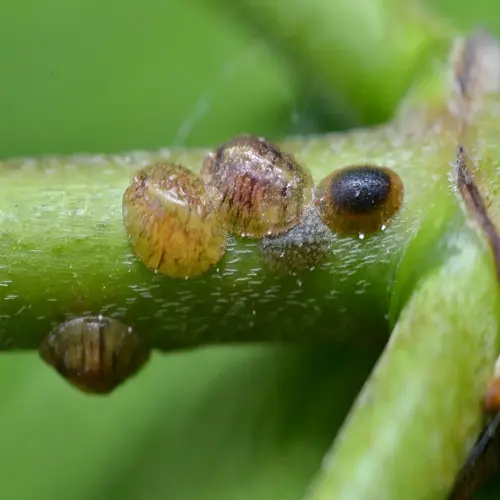

No, spider mites jump to other plants is a common myth since these pests cannot jump or fly at all. However, spider mites spread between plants through several other methods that work just as well. They crawl along touching leaves, float on air currents, and hitch rides on your hands and tools. Your whole collection can become infested even without direct plant contact.
Spider mites spread between plants faster than most people expect. They crawl across any leaves that touch each other, making grouped collections easy targets. A single sick plant can pass mites to every neighbor within two weeks. Keep your plants spaced apart on any shelf or windowsill to slow the spread.
Learning how spider mites travel helps you stop them from moving through your home. These tiny pests weigh almost nothing, so they catch air currents with ease. They also spin silk threads that act like parachutes when air moves past. A fan or heating vent can carry mites several feet across a room to new host plants.
I found mites on my fern even though it sat three feet from any other plant in the room. The closest infested plant was my calathea on the opposite shelf. I puzzled over this for days until I realized I had been watering both plants back to back. My hands had carried mites from one to the other during my morning routine.
Your hands, clothes, and tools create highways for spider mite contamination between plants. Pruning shears that touch infested leaves can deposit mites on healthy plants you trim next. A watering can that brushes against webbed foliage can spread the problem. Even your sleeves can pick up mites when you reach past an infested plant.
I changed my plant care routine after that fern incident and have not had a cross-contamination problem since. Now I always start with my healthiest plants and work toward any that look stressed or suspicious. This simple order of operations keeps mites from hitchhiking on my hands to fresh victims.
Space your plants at least six inches apart so leaves never touch each other. Wash your hands with soap between handling different plants during your care sessions. Clean your pruning tools with rubbing alcohol before moving to a new plant. These habits form a barrier against mite spread even when one plant gets infected.
Check any plant near an infested one for early signs of spread even if you think you caught the problem in time. Mites can hide for days before their damage shows on leaves. A quick wipe down of neighboring plants with a damp cloth catches any travelers before they settle in and start breeding.
Read the full article: Spider Mites on Houseplants: Complete Control Guide