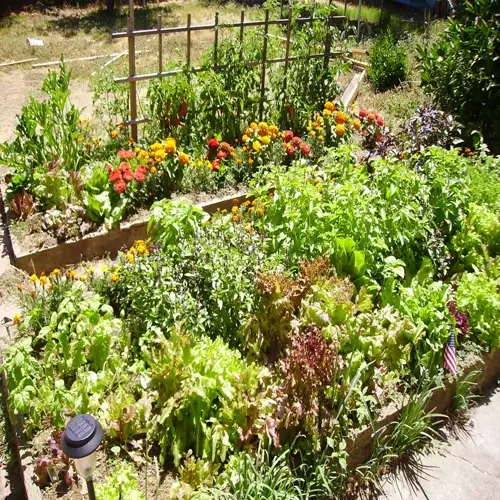

Introduction
Cosmos flower care might be the best kept secret in gardening. These plants bloom better when you forget about them. I spent years fussing over needy flowers before cosmos taught me that neglect brings waves of color from midsummer through frost.
Growing cosmos showed me something most gardening books get wrong. Rich soil and regular feeding produce tall leafy plants with few flowers. Utah State University confirms cosmos bloom best when day length drops to 14 hours or less. That explains why late summer brings the most spectacular shows.
These easy flowers to grow also serve as pollinator plants that transform your garden. Oregon State researchers found honey bees, bumble bees, and butterflies visiting cosmos blooms. Hover flies and beneficial wasps show up too throughout the season.
Think of cosmos as the low maintenance friend of your garden. They want poor soil, minimal water, and almost no fertilizer. In return they give you months of cut flowers and a front row seat to watch pollinators at work.
8 Best Cosmos Varieties to Grow
Picking the right cosmos varieties for your garden depends on what you want from these plants. Tall cosmos bipinnatus types reach 3 to 6 feet and make excellent cut flowers. The dwarf cosmos in the Sonata series stay at 18 to 24 inches for borders and pots.
I grow both cosmos sulphureus and bipinnatus types in my cutting garden each year. The sulphureus varieties handle heat better and bring warm orange and yellow tones. Bipinnatus gives you the classic pinks, whites, and crimsons that most people picture.
Double click cosmos and similar double flowered types have gained fans among cut flower growers. Their extra petals mean longer vase life and a look that rivals dahlias. Chocolate cosmos stands apart as a tender perennial with dark blooms that smell like cocoa on warm days.

Sensation Mix
- Height: Grows 3-6 feet (0.9-1.8 m) tall with an open, airy habit that creates stunning garden displays and provides ample cutting material for bouquets.
- Flower Type: Produces classic single daisy-like blooms measuring 3-4 inches (8-10 cm) across in shades of white, pink, and crimson throughout the season.
- Best For: Ideal for cut flower gardens and back of border plantings where height adds vertical interest and drama to mixed perennial beds.
- Growing Habit: Features delicate, feathery foliage on long stems that sway in the breeze, creating movement and texture in garden designs.
- Bloom Time: Flowers from midsummer through first frost, providing 3-4 months of continuous color when you deadhead on a regular basis.
- Care Level: Requires staking in exposed locations but needs minimal attention beyond occasional watering during extended dry periods.
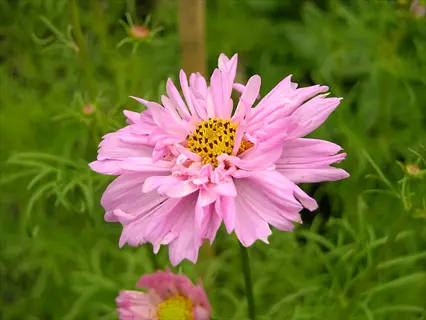
Double Click Cranberries
- Height: Reaches 3-4 feet (0.9-1.2 m) tall with sturdy stems that seldom need staking despite producing heavy, double flower heads.
- Flower Type: Features stunning double and semi-double blooms in deep cranberry-red shades that resemble small dahlias or anemones.
- Best For: Perfect for professional cut flower production and home gardeners seeking arrangements with unique petal formations.
- Vase Life: Double petals extend vase life to 5-7 days compared to 4-5 days for single-flowered varieties when harvested at proper stage.
- Growing Notes: May produce some single flowers mixed with doubles, which adds visual interest rather than detracting from the display.
- Pollinator Value: Double blooms still attract pollinators though less accessible than single varieties for nectar seeking insects.

Sonata White
- Height: Compact growth of 18-24 inches (46-61 cm) makes this variety perfect for containers, borders, and smaller garden spaces.
- Flower Type: Produces pure white single blooms measuring 2-3 inches (5-8 cm) across that glow in evening gardens and moon gardens.
- Best For: Excellent choice for container gardening, edging pathways, and formal borders where uniform height and tidy appearance matter.
- Container Growing: Thrives in 12-inch (30 cm) or larger pots with well draining soil, needing no staking and tolerating some root restriction.
- Mass Planting: Space 10-12 inches (25-30 cm) apart for dense coverage that creates a carpet of white blooms throughout summer.
- Maintenance: Compact habit means less deadheading needed, though removing spent flowers still encourages continued blooming.
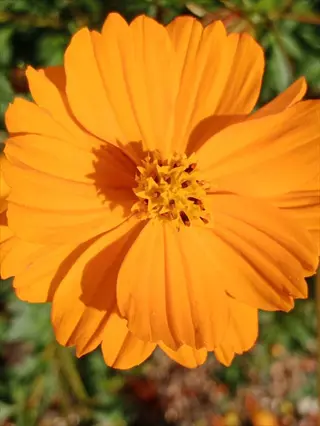
Bright Lights Mix
- Species: Cosmos sulphureus variety featuring warm sunset colors including orange, yellow, gold, and red tones that complement fall gardens.
- Height: Grows 3-4 feet (0.9-1.2 m) tall with stronger, more wind resistant stems than Cosmos bipinnatus varieties.
- Flower Type: Semi-double blooms in fiery shades create bold color statements and attract different pollinator species than pink varieties.
- Heat Tolerance: Handles hot summer weather better than Cosmos bipinnatus, continuing to bloom through heat waves that stress other annuals.
- Pollinator Attraction: Yellow and orange blooms draw in butterflies, hover flies, and beneficial insects seeking nectar late in the season.
- Self-Seeding: Seeds itself and may spread in ideal conditions, so remove spent flowers if you want to control where it grows.

Sea Shells Mix
- Height: Grows 3-4 feet (0.9-1.2 m) tall with the classic airy cosmos habit that adds movement and lightness to garden borders.
- Flower Type: Unique tubular or fluted petals create a shell-like appearance that sets this variety apart from standard cosmos.
- Color Range: Available in pink, white, rose, and carmine shades, each flower displaying the characteristic rolled petal edges.
- Cut Flower Use: The unusual petal shape makes arrangements more interesting and creates great conversation starters in fresh water for 5-6 days.
- Growing Ease: Same care requirements as standard cosmos with the added benefit of distinctive flower form that draws attention.
- Garden Impact: Provides textural contrast when planted alongside flat petaled flowers like zinnias, marigolds, and standard cosmos varieties.

Xsenia
- Height: Reaches 3-4 feet (0.9-1.2 m) with excellent branching that produces abundant cutting stems throughout the growing season.
- Flower Type: Apricot-peach blooms with rose undertones create a soft, romantic color palette perfect for wedding flowers and elegant arrangements.
- Unique Appeal: Peachy-pink coloring not found in standard cosmos mixes makes this variety sought after by florists and flower farmers.
- Bloom Production: Heavy flowering habit means more stems per plant, reducing the number of plants needed for cut flower production.
- Color Variation: Individual flowers may show color variations from pale apricot to deeper rose tones as temperatures fluctuate.
- Professional Choice: Market flower farmers grow this variety for farmers market sales and subscription bouquet services.
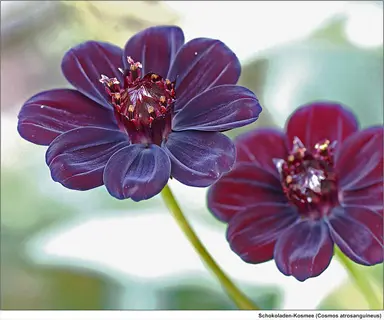
Chocolate Cosmos
- Species: Cosmos atrosanguineus is a tender perennial unlike annual cosmos species, returning year after year in mild climates.
- Height: Compact growth of 12-30 inches (30-76 cm) with dark, velvety flowers that emit a genuine chocolate fragrance in warm weather.
- Winter Care: Must be dug up and stored like dahlias in zones below 7, or grown in containers that can be brought indoors before frost.
- Flower Type: Deep burgundy to near black blooms measuring 1.5-2 inches (4-5 cm) across appear from midsummer through fall.
- Growing Needs: Requires richer soil than annual cosmos and benefits from regular watering and feeding unlike its drought tolerant relatives.
- Propagation: Does not set viable seed, so propagate through division or purchase new tubers from specialty bulb suppliers each season.

Cupcakes and Saucers
- Height: Grows 3-4 feet (0.9-1.2 m) tall with sturdy stems supporting large, showy blooms that create dramatic garden focal points.
- Flower Type: Produces large saucer-shaped flowers measuring 4-5 inches (10-13 cm) across with fused petals creating cup-like centers.
- Color Range: Available in white, pink, and bicolor combinations, each bloom featuring the distinctive cupped petal formation.
- Garden Impact: Oversized blooms make strong visual statements in borders and cutting gardens where dramatic flower size is desired.
- Stem Strength: Thick stems support heavy blooms better than some varieties, though staking helps in windy locations.
- Cut Flower Quality: Large blooms create impressive single stem arrangements and add scale to mixed bouquets alongside smaller flowers.
Planting Cosmos from Seed
Starting cosmos seeds is one of the simplest gardening tasks you can tackle. In my experience, these seeds sprout without fuss in 7 to 14 days when soil reaches the right temperature. I have had better results with direct sowing than with indoor seed starting because cosmos hate having their roots disturbed.
Wait until after your last frost date when soil warms to at least 65°F (18°C) before you direct sow cosmos outside. The optimal cosmos germination temperature sits between 70°F and 75°F (21°C to 24°C). Cold soil leads to rot instead of sprouts, so patience pays off here.
Prepare your planting spot by loosening the soil and removing weeds. Scatter cosmos from seed and rake them in to about 0.125 inches (3 mm) deep. NC State Extension warns that deep planting hinders germination. These seeds need light to sprout, so a thin soil covering works best.
If you prefer indoor seed starting, begin 4 to 6 weeks before your last frost. Use cell trays rather than open flats so each cosmos seedlings keeps its roots intact during transplant. Move them outside after hardening off for a week in a sheltered spot.
Space your cosmos seedlings or direct sown plants 12 to 18 inches (30 to 46 cm) apart once they have true leaves. This spacing gives roots room to spread and allows air to flow between plants. Crowded cosmos fall over and catch diseases more often than spaced plants.
Water seeds and seedlings with a gentle spray until they establish roots. After that first month, cosmos need less attention than most flowers. The toughest part is waiting for those first blooms to appear about 60 to 90 days after seeds sprout in your garden.
Ideal Growing Conditions
Learning about cosmos growing conditions means throwing out what you know about most flowers. I tested cosmos in rich compost and in poor clay during the same season. The clay bed plants bloomed twice as much as the pampered ones in my perfect garden soil.
Cosmos sun requirements call for 6 to 8 hours of direct light each day. Less sun produces leggy plants with sparse flowers. These plants came from Mexico where the sun beats down hard all summer. Shady spots in your garden will fail to bring out their best blooms.
The best soil for cosmos is lean and well drained. NC State Extension confirms cosmos soil can range from pH 6.0 to 8.0 and include clay, loam, or sand. Cosmos hardiness zones span from 2a to 11b, so you can grow them anywhere in the country. Proper cosmos spacing of 12 to 18 inches keeps your plants healthy and upright.
The day length factor surprises most gardeners. Cosmos bloom best when days shorten to 14 hours or less, which explains the late summer flower explosion. Your early summer plants grow tall but hold back their best blooms until shorter days trigger flowering.
Watering and Fertilizing
Caring for cosmos flowers goes against every instinct most gardeners have. I learned this the hard way when my first cosmos bed grew 6 feet tall with almost no flowers. The culprit was the rich compost I added, thinking it would help my plants thrive.
USU Extension says it best about cosmos fertilizer. Do not feed your cosmos at all. Rich soil produces plants that grow weak stems and sparse blooms. Your cosmos want lean conditions that most gardeners would call neglect.
Cosmos watering follows the same less is more rule. Water your plants deep but let the soil dry out between drinks. NC State warns you against giving too much water. Cosmos water requirements drop once plants set roots, much like succulents that store moisture.
The science behind cosmos maintenance explains this odd behavior. When plants face mild stress from low water and poor soil, they focus on making flowers. Give them too much comfort and they grow leaves instead of blooms because they have no reason to set seed fast.
Watch your cosmos leaves for signs you got the balance right. Healthy plants show bright green foliage without yellow edges or wilting. If leaves turn pale or limp between waterings, give a bit more water. Droopy plants in wet soil mean you need to back off.
One exception exists for container grown cosmos. Pots dry out faster than garden beds, so you may need to water every few days in summer heat. Even then, skip the fertilizer and let your cosmos prove that less really does mean more.
Pruning and Deadheading
Pinching cosmos when plants reach 12 to 18 inches tall produces bushier growth with more flower stems. In my experience, I pinch the main stem just above a leaf node and watch two new stems form. This simple cosmos pruning step doubles or triples your bloom count.
Deadheading cosmos keeps flowers coming all season long. When you remove spent blooms, the plant stops trying to make seeds and puts energy into new flowers instead. Professional flower farmers deadhead every 2 to 3 days during peak season.
Cut your cosmos cut flowers when outer petals unfold but the center stays tight. Blooms that bees have not yet visited last longer in the vase because they have not started seed formation. Harvesting cosmos in the cool morning hours also extends their vase life.
Look for the swelling behind the flower to know when deadheading cosmos will help most. That bump means seeds are forming and draining energy from new growth. Snip the stem back to the next leaf node rather than just popping off the old flower head.
Staking cosmos helps tall varieties stay upright through wind and rain. Push stakes into the ground when plants are young so you avoid root damage later. Soft ties or twine work better than wire because they flex with the stems as they grow.
Leave some flowers to go to seed at the end of the season if you want cosmos to come back next year. Those seed heads will drop into the soil and sprout when spring arrives. Just stop deadheading about 4 weeks before your first frost to let seeds form and scatter.
Pests and Disease Prevention
Most cosmos problems come from too much love rather than neglect. I tested this by growing two beds side by side with different care levels. The crowded, well watered bed had aphids and mildew while the sparse, dry bed stayed clean all summer.
Cosmos disease prevention starts with good spacing and air flow between plants. Set plants 12 to 18 inches apart and avoid getting water on the leaves. These two steps stop most cosmos diseases before they start in your garden.
Cosmos pests like cosmos aphids show up when plants grow weak from wrong conditions. Strong cosmos growing in lean soil with proper sun resist bugs better than pampered plants. Powdery mildew cosmos and other fungal issues also hit weak plants first.
Aphid Infestations
- Identification: Small green, black, or pink soft-bodied insects clustering on new growth, flower buds, and undersides of leaves causing curling and distortion.
- Damage Signs: Sticky honeydew residue on leaves and stems, sooty mold growth, stunted new growth, and deformed flowers that fail to open.
- Prevention: Encourage beneficial insects like ladybugs and lacewings by skipping broad-spectrum pesticides and planting many companion flowers.
- Treatment: Spray affected plants with strong water jet to knock off aphids, or apply insecticidal soap every 5 to 7 days until you control them.
Powdery Mildew
- Identification: White or gray powdery coating appearing on leaves, stems, and flower buds, starting on lower foliage and spreading upward.
- Conditions: Develops during warm days with cool nights and high humidity, often when your plants crowd each other with poor air circulation.
- Prevention: Space plants 12 to 18 inches (30 to 46 cm) apart, avoid overhead watering, and remove lower leaves to improve airflow at plant bases.
- Treatment: Remove affected leaves, apply neem oil or baking soda spray with 1 tablespoon per gallon of water at first signs of infection.
Stem Canker
- Identification: Dark, sunken lesions appearing on stems near soil level, causing wilting above the infection point even when soil is moist.
- Cause: Fungal pathogens entering through wounds or spreading from infected plant debris left in your garden beds from previous seasons.
- Prevention: Rotate your planting locations each year, avoid damaging stems during weeding, and remove plant debris at the end of the season.
- Treatment: No cure for infected plants exists. Remove and destroy affected specimens right away to prevent spread to your healthy plants.
Japanese Beetles
- Identification: Metallic green and copper beetles measuring 0.5 inches (13 mm) feeding on flowers and eating leaves between the veins.
- Damage Pattern: Adult beetles chew irregular holes in petals and leaves, often feeding in groups and releasing scents that attract more beetles.
- Prevention: Apply milky spore or beneficial nematodes to lawn areas where beetle grubs develop, cutting next year's adult population.
- Treatment: Hand pick beetles into soapy water during morning hours when they move slow, or apply neem oil to stop their feeding.
Gray Mold (Botrytis)
- Identification: Fuzzy gray brown mold appearing on spent flowers, damaged tissue, or stems during cool, wet weather conditions.
- Conditions: Thrives in humid spots with poor air circulation, often appearing after long rainy periods or heavy overhead watering.
- Prevention: Remove spent flowers right away, avoid wetting foliage when you water, and ensure good spacing between your plants for airflow.
- Treatment: Prune affected plant parts well below visible infection, dispose of debris away from your garden, and apply copper fungicide if severe.
5 Common Myths
Cosmos need rich, fertile soil and regular fertilizing to produce abundant blooms throughout the growing season.
Cosmos actually bloom best in poor to average soil. Nutrient-rich soil causes weak stems, delayed blooming, and fewer flowers overall.
You should water cosmos frequently to keep the soil consistently moist for healthy flower production.
Cosmos are drought-tolerant and prefer soil that dries out between waterings. Overwatering leads to excessive foliage growth and reduced flowering.
Cosmos are difficult to grow from seed and require special germination techniques or equipment to succeed.
Cosmos germinate easily in 7-14 days when soil reaches 65F (18C). Simply scatter seeds on loose soil and lightly rake them in.
All cosmos varieties grow tall and require staking to prevent them from falling over in the garden.
While some varieties reach 6 feet (1.8 m), dwarf cultivars like Sonata stay compact at 18-24 inches (46-61 cm) and need no support.
Cosmos only attract butterflies and have minimal value for other pollinators in the garden.
Cosmos attract diverse pollinators including honey bees, bumble bees, long-horned bees, carpenter bees, hover flies, and parasitic wasps.
Conclusion
Growing cosmos turns your garden into a buzzing paradise. In my experience, these plants ask for almost nothing yet give back so much. The key to cosmos flower care is doing less than you think you should with watering and feeding.
Your cosmos will reward you with blooms from midsummer through the first frost each year. These easy flowers to grow fill the gap when spring bulbs fade and fall mums have not yet started. That long bloom season makes them worth every bit of space in your beds.
The pollinator plants in your cosmos patch will draw bees and butterflies to your whole garden. Oregon State research shows cosmos attract dozens of helpful species. These insects control pests and boost fruit set on your nearby vegetables too.
Start with a packet of seeds next spring and give your cosmos the poor soil and neglect they crave. These annual flowers taught me that sometimes doing less grows more beauty than fussing ever could in any garden bed.
External Sources
Frequently Asked Questions
Does cosmos need sun or shade?
Cosmos need full sun with a minimum of 6-8 hours of direct sunlight daily for optimal blooming. They can tolerate light shade but will produce fewer flowers and may become leggy.
Do cosmos come back each year?
Most cosmos are annuals that complete their life cycle in one season. However, they self-seed readily if spent flowers are left on the plant, creating the appearance of returning each year.
Do cosmos flowers need to be deadheaded?
Yes, deadheading cosmos encourages continuous blooming by redirecting energy from seed production to new flower development. Regular deadheading can extend the flowering season significantly.
Are cosmos high maintenance?
No, cosmos are among the lowest maintenance flowers available. They thrive in poor soil, require minimal watering once established, and actually bloom better without fertilizer.
What to do with cosmos in winter?
For annual cosmos, remove dead plants after frost and compost them. Chocolate cosmos (a tender perennial) should have tubers dug up and stored in a cool, frost-free location over winter.
Can I just throw cosmos seeds on the ground?
Yes, cosmos seeds can be scattered directly on loose soil and lightly raked in. They germinate easily with minimal burial, though covering with 0.125 inches (3 mm) of soil improves results.
Do cosmos need a lot of water?
No, cosmos are drought-tolerant once established. Water deeply but infrequently, allowing soil to dry between waterings. Overwatering promotes foliage growth at the expense of flowers.
What companion plants grow well with cosmos?
Cosmos pair well with zinnias, marigolds, dahlias, sunflowers, and vegetable gardens where they attract pollinators and beneficial insects that help with pest control.
How long do cosmos take to bloom from seed?
Cosmos typically bloom 60-90 days (approximately 7 weeks) after germination, with flowering continuing from midsummer through the first frost when properly maintained.
Why are my cosmos not producing flowers?
The most common cause is over-fertilization, which promotes leafy growth instead of blooms. Too much shade, extended daylight hours exceeding 14 hours, or overwatering can also prevent flowering.