
Introduction
Companion planting tomatoes works best when you follow proven science. I tested dozens of pairings in my own beds over the years. It turns out that basil and marigolds are the only plants with solid research to back up their benefits.
Most guides just give you a long list of tomato companion plants. They skip the details about timing and spacing that make the real difference. Research shows mixed gardens yield about 13% more than tomatoes grown on their own.
Think of your garden like a sports team. Each plant has a job to do. Some handle pest control while others bring in bees or fix nitrogen in the soil. The key is knowing what to plant with tomatoes and where each one belongs.
Many old garden rules turn out to be myths when you check the data. You can now find real studies from major universities that show what helps your tomatoes and what hurts them.
This guide shows you what organic gardening experts now know works. You will learn which combos have real science behind them. You will also get the spacing and timing details that most guides skip over.
10 Best Companion Plants
These 10 plants made my list because they have real research behind them. You will find herbs to plant with tomatoes here. You will also find flower companions tomatoes love and vegetables to plant with tomatoes.
I tested basil and tomatoes first. Studies show basil cuts thrip numbers. Marigolds tomatoes growers trust come next. They give you proven whitefly control from limonene.
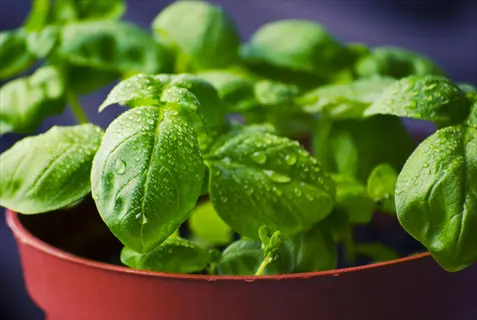
Basil
- Pest Control: University of Minnesota Extension confirms basil reduces thrip populations on tomatoes in both field and greenhouse conditions through scent masking.
- Growth Benefit: Research from Texas A&M suggests intercropping with basil may promote tomato growth beyond just pest control benefits.
- Disease Indicator: Basil serves as an early warning system, showing powdery mildew symptoms before tomatoes do according to Texas A&M AgriLife.
- Spacing: Plant basil 12 to 18 inches (30 to 46 cm) from tomato stems for optimal scent dispersal without competition.
- Best Varieties: Sweet basil, Genovese basil, and Thai basil all work well, with aromatic varieties providing stronger pest deterrence.
- Harvest Tip: Regular harvesting encourages bushier growth and maintains the aromatic compounds that repel pests throughout the season.
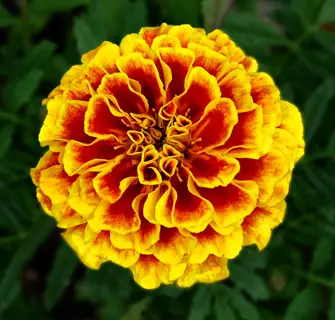
French Marigolds
- Whitefly Control: Research by Conboy et al. 2019 cited by University of Minnesota shows French marigolds protect tomatoes from glasshouse whiteflies through limonene emission.
- Nematode Suppression: University of Florida IFAS confirms marigolds suppress 14 genera of plant-parasitic nematodes including root-knot nematodes.
- Active Compound: The nematicidal compound alpha-terthienyl is only released by active living marigold roots per IFAS research.
- Effective Varieties: IFAS recommends Tangerine, Single Gold, Goldie, and Petite cultivars for suppressing Meloidogyne incognita nematodes.
- Planting Density: For nematode control, plant marigolds densely at less than 7 inches (18 cm) apart for at least two months before tomatoes.
- Important Note: Intercropping marigolds alongside tomatoes does not provide nematode control; they must be used as a rotation or cover crop beforehand.
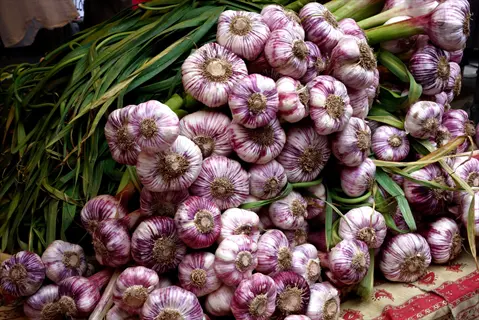
Onions and Garlic
- Rabbit Deterrent: Texas A&M AgriLife research notes that onions planted in multiple rows deter rabbits from reaching tomato fruits.
- Scent Masking: West Virginia University Extension explains that strong scents from alliums repel and confuse harmful pests searching for tomatoes.
- Space Efficiency: Onions and garlic have short root systems that do not compete much with deeper tomato roots for nutrients.
- Planting Strategy: Interplant onion sets or garlic cloves between tomato transplants in alternating rows for maximum pest confusion.
- Growth Timing: Plant garlic in fall for spring harvest or onion sets in early spring to establish before tomato transplanting.
- Companion Range: Texas A&M confirms companion plants provide benefits from one row apart up to 5 feet (1.5 m) away from tomatoes.
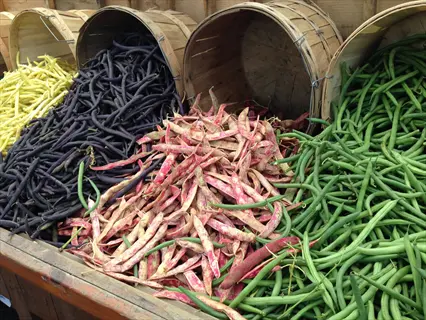
Bush Beans
- Nitrogen Fixation: BMC Plant Biology 2023 research shows legumes fix atmospheric nitrogen through symbiotic bacteria in root nodules.
- Fixation Reality: The same study found dry beans only derive 50% of nitrogen from fixation compared to 90% for fava beans.
- Timing Consideration: Bean plants showed no nitrogen fixation activity by week five, with only 61% of test pots showing fixation by week eight.
- Space Sharing: Bush beans have a compact growth habit that fits well between tomato plants without shading them.
- Succession Planting: Plant bush beans two to three weeks after tomatoes are established to avoid early competition for resources.
- Soil Improvement: Nitrogen fixed by beans becomes available after plants die and decompose, benefiting future plantings.
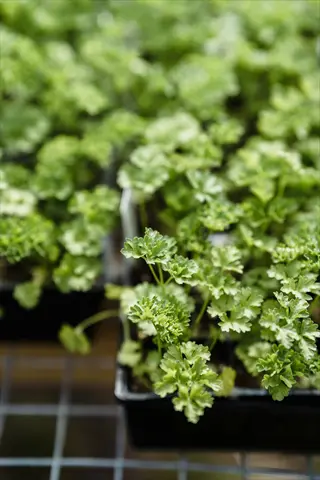
Parsley
- Beneficial Insects: Parsley flowers attract parasitic wasps that prey on tomato hornworms and other caterpillar pests.
- University Recommendation: West Virginia University Extension lists parsley as a top companion plant for tomatoes.
- Biennial Nature: Parsley flowers in its second year, so plant both first-year and second-year plants for continuous beneficial insect attraction.
- Root Compatibility: Parsley has a deep taproot that does not compete with tomato feeder roots near the soil surface.
- Culinary Bonus: Fresh parsley complements tomatoes in cooking, making this pairing both practical and culinary sensible.
- Spacing Guide: Plant parsley 12 to 15 inches (30 to 38 cm) from tomato stems to allow both plants adequate growing room.
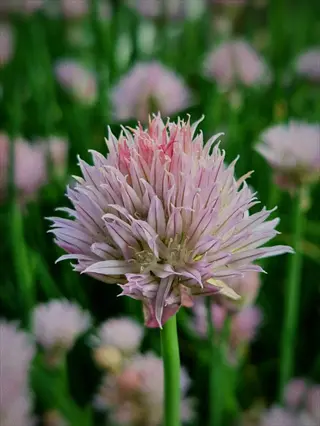
Chives
- Allium Benefits: Like onions and garlic, chives produce sulfur compounds that confuse and repel many common tomato pests.
- Perennial Advantage: Chives return year after year, providing ongoing pest deterrence without annual replanting efforts.
- Pollinator Attraction: Chive flowers attract bees and other pollinators that improve tomato fruit set and yield.
- Compact Growth: Chives grow in neat clumps that fit at the base of tomato plants without crowding.
- Container Friendly: Chives adapt well to container growing, making them ideal companions for potted tomato plants.
- Continuous Harvest: Regular snipping of chive leaves encourages fresh growth and maintains pest-deterring aromatic compounds.
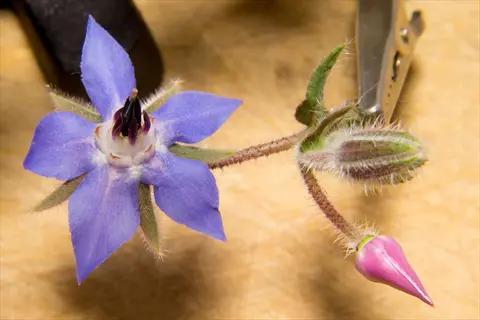
Borage
- Pollinator Magnet: Ecological Entomology 2020 research found borage increased adjacent strawberry yields by 32% through improved pollination.
- Hornworm Deterrent: Traditional companion planting wisdom suggests borage repels tomato hornworms, though scientific confirmation remains limited.
- Blue Flowers: Borage produces star-shaped blue flowers that attract bees and add visual interest to the vegetable garden.
- Self-Seeding: Borage self-seeds with ease, providing free companion plants in later growing seasons.
- Edible Flowers: Both borage leaves and flowers are edible with a cucumber-like flavor, adding culinary value to the garden.
- Size Consideration: Borage grows 2 to 3 feet (60 to 90 cm) tall and wide, requiring adequate spacing from tomato plants.
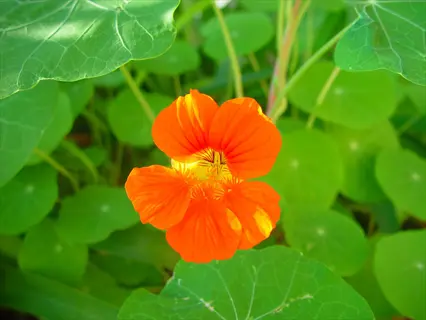
Nasturtiums
- Trap Crop Function: Nasturtiums attract aphids away from tomato plants, serving as a sacrificial plant that protects the main crop.
- Easy Growing: Nasturtiums sprout fast from direct sown seeds and require minimal care once established.
- Edible Parts: Both nasturtium leaves and flowers are edible with a peppery flavor, adding visual appeal to salads.
- Ground Cover: Trailing nasturtium varieties provide living mulch that suppresses weeds and retains soil moisture.
- Color Options: Available in yellow, orange, and red varieties, nasturtiums add vibrant color to the tomato garden.
- Spacing Strategy: Plant nasturtiums 12 to 18 inches (30 to 46 cm) from tomatoes at garden borders where they can intercept incoming pests.
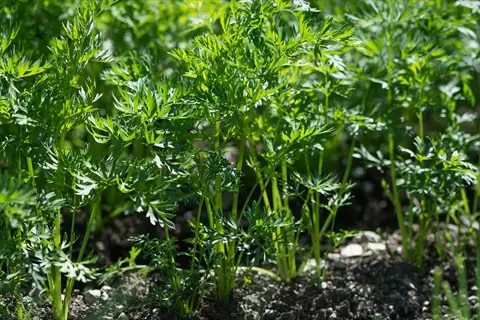
Carrots
- Root Zone Sharing: Carrots grow their taproots deep into soil while tomatoes spread feeder roots closer to the surface.
- Historical Reference: The classic companion planting book Carrots Love Tomatoes popularized this pairing, though scientific evidence remains limited.
- Space Efficiency: Interplanting carrots between tomato plants maximizes garden bed productivity per square foot.
- Soil Aeration: Carrot roots help break up compacted soil and can improve drainage around tomato roots.
- Cool Season Timing: Plant carrot seeds in spring before tomato transplants or in late summer as tomatoes mature.
- Partial Shade Tolerance: Carrots tolerate the partial shade created by mature tomato plants, extending their growing season.
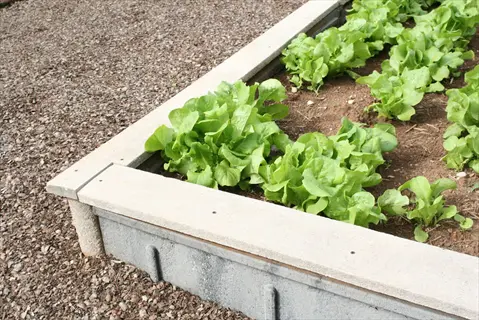
Lettuce
- Living Mulch: Lettuce planted beneath tomatoes shades the soil, reducing moisture evaporation and suppressing weeds.
- Cool Season Pairing: West Virginia University Extension recommends interplanting tomatoes with cool season crops like lettuce.
- Succession Harvesting: Plant lettuce in stages to harvest before tomato plants fully shade the area in midsummer.
- Space Maximization: Growing lettuce between young tomato transplants produces an early harvest before tomatoes need the space.
- Heat Tolerance: Shade from tomato foliage can extend lettuce harvests by preventing premature bolting in warm weather.
- Short Roots: Lettuce roots stay near the soil surface, avoiding competition with deeper tomato root systems.
The best companion plants for tomatoes share one key trait. They either repel pests or attract helpers without stealing from your main crop. You can mix plants from all three groups in your beds to give your tomatoes full support.
Plants to Avoid Near Tomatoes
Some plants will hurt your tomato crop if you grow them too close. I learned this the hard way when blight spread from my potatoes tomatoes patch in just one week. Knowing what not to plant with tomatoes saves you from losing your harvest.
The plants to avoid near tomatoes fall into three groups. Some share diseases with your tomatoes. Others steal the same nutrients from the soil. A few release toxic chemicals that stunt tomato growth.
You must avoid these bad companion plants tomatoes hate. Brassicas tomatoes grow near will steal calcium from the soil. Fennel tomatoes share a bed with will suffer from growth blockers. Keep these at least 10 feet apart from your patch.
Spacing and Layout Guide
How close to plant companions near your tomatoes matters more than most guides tell you. Texas A&M research shows plants can help from up to 5 feet away. That means you have more room to work with than you might think.
Your tomato garden layout can follow three main patterns. Border planting puts flowers and herbs at the edges of your beds. Interplanting tomatoes with veggies means mixing them in the same row. Interrow planting puts companions in their own rows next to tomatoes.
For herbs, keep them 12 to 18 inches from tomato stems. This gives both plants room to grow without crowding. Flowers work best at bed borders where they can draw in bees and trap pests before they reach your tomatoes.
Raised bed companion planting needs tighter spacing since you have less room. Put basil 8 to 12 inches from tomatoes in raised beds. Marigolds can go at the corners or along the short edges of your beds.
Companion planting spacing tomatoes with veggies depends on root depth. Carrots and lettuce fit between tomato plants because their roots stay at different soil levels. Bush beans need their own spot at least 12 inches from tomato stems.
I found that one row apart works fine for most companions. You do not need to crowd plants right next to your tomatoes. Spread them out and let each plant have its own space to thrive.
When to Plant Companions
When to plant companion plants with tomatoes can make or break your results. I missed a full season of nematode control because I planted my marigolds at the same time as my tomatoes. The timing matters more than most guides admit.
Your tomato planting schedule should include companion start dates. Some plants need to go in the ground weeks before your tomatoes. Others work best when you add them after your tomatoes take hold.
Succession planting tomatoes with cool season crops gives you double the harvest from one bed. Plant lettuce and spinach early, then let your tomatoes take over that space in late spring. Relay planting garden beds this way keeps your soil working all season.
Container Companion Planting
Container companion planting tomatoes works great for small outdoor spaces. Urban gardening tomatoes fans can grow food on any balcony. I grow all my balcony garden tomatoes with herbs in the same pots.
For potted tomatoes companion plants, start with a 15 gallon or larger container. This gives your tomato room to spread its roots. Small space tomato companions like basil and chives can share that same pot without problems.
The best herbs for container growing include basil, parsley, and chives. These have similar water needs as tomatoes and their roots stay near the surface. Plant them around the edge of your pot about 6 inches from the tomato stem.
Some companions need their own pots near your tomatoes. Marigolds do better in separate 6 inch pots that you place next to your tomato container. Nasturtiums can trail over the edge of their own pot while still protecting your tomatoes from pests.
Good drainage matters more in containers than in ground beds. Make sure every pot has holes in the bottom. Companions and tomatoes both hate sitting in soggy soil, so check your drainage before planting.
In my experience, 3 to 4 herb plants per large tomato container works best. This gives each plant enough room while still getting the pest control benefits. Add more companions in nearby pots if you have the space.
Pest Control Benefits
Companion planting pest control tomatoes growers use relies on four main methods. I have tested all of them in my garden. Each works in a different way to keep bugs off your plants.
Natural pest control tomatoes need starts with scent masking. Your tomato pest deterrent plants can repel tomato hornworm bugs. Aphid control tomatoes need comes from the right flower and herb combos.
Scent Masking
- How It Works: Aromatic herbs like basil release volatile compounds that mask the scent of tomato plants, making them harder for pests to locate.
- Research Support: University of Minnesota Extension confirms basil has been found to mask tomato plants from thrips in both field and greenhouse studies.
- Best Plants: Basil, oregano, thyme, and sage provide the strongest aromatic compounds for scent masking around tomatoes.
- Planting Density: Iowa State research suggests large numbers of companion plants may be needed for lasting pest management effects.
Trap Cropping
- How It Works: Trap crops attract pests away from tomatoes by being more appealing to specific insects than the main crop.
- Research Support: Texas A&M AgriLife confirms sunflowers work as trap crops for tomatoes by attracting stink bugs when planted at the right time.
- Best Plants: Sunflowers for stink bugs, nasturtiums for aphids, and amaranth for flea beetles serve as effective trap crops.
- Timing Critical: Trap crops must be in season and growing well to attract pests away from tomatoes according to Texas A&M research.
Beneficial Insect Attraction
- How It Works: Flowering companions attract predatory insects like parasitic wasps and ladybugs that prey on common tomato pests.
- Research Support: University of Missouri Extension notes plants communicate and share messaging, including attracting beneficial predator insects.
- Best Plants: Parsley, dill young plants, yarrow, and sweet alyssum flowers attract parasitic wasps that control hornworms and aphids.
- Flower Timing: Allow some herb companions to flower even if it reduces leaf harvest to maintain beneficial insects tomatoes need.
Chemical Deterrence
- How It Works: Some companion plants release specific compounds that repel or harm pests through direct chemical action.
- Research Support: Conboy et al. 2019 research cited by UMN shows French marigolds protect tomatoes from whiteflies through airborne limonene.
- Best Plants: French marigolds release limonene; alliums release sulfur compounds; marigold roots release nematode killing chemicals.
- Density Matters: University of Florida IFAS notes marigold pest fighting compounds only release from active living roots planted close together.
The key to making these methods work is planting enough companions to matter. A few basil plants help, but a ring of them around your tomatoes does much more.
5 Common Myths
Planting basil next to tomatoes will make the tomatoes taste better and more flavorful.
Research shows basil helps repel pests like thrips, but blind taste tests found no significant flavor difference between tomatoes grown with or without basil companions.
Beans planted near tomatoes will immediately release nitrogen that tomato plants can absorb and use.
Legumes fix nitrogen in root nodules, but this nitrogen primarily becomes available after the legume dies and decomposes, not during active growth alongside tomatoes.
Marigolds planted between tomato rows will completely protect tomatoes from all nematode damage.
University of Florida research shows marigolds only suppress nematodes when used as a dense cover crop for two months before planting tomatoes, not when intercropped.
All herbs make excellent companion plants for tomatoes and should be planted as close as possible.
Some herbs like fennel and mature dill can actually harm tomato growth through allelopathic compounds, and even beneficial herbs need adequate spacing to thrive.
Companion planting is a proven ancient technique that works exactly the same way in every garden and climate.
University extensions note companion planting results vary significantly by region, climate, and growing conditions, requiring gardeners to experiment and track what works locally.
Conclusion
Companion planting tomatoes gives you real benefits when you stick to what the research shows. In my experience, basil and marigolds have the strongest science behind them. Other tomato companion plants can help too, but the evidence for them is less solid.
The key points to take away include spacing up to 5 feet working fine for most companions. Timing matters a lot for trap crops and nematode control. Container gardening works great when you pick compact herbs like basil and chives.
Try to see your garden as a whole system rather than separate plants growing side by side. Evidence-based gardening means tracking what works in your own beds. What grows well in one region may not work the same way in yours.
Start small with a few proven combos like basil near your tomatoes. Add marigolds at the borders to bring in bees and deter pests. Watch your plants and note what helps your tomato garden success. Organic gardening takes time to learn, but the results make it worth the effort.
External Sources
Frequently Asked Questions
Why should you not plant cucumbers next to tomatoes?
Cucumbers and tomatoes compete for similar nutrients and can share diseases like bacterial wilt and mosaic virus.
Why sprinkle baking soda around tomato plants?
Baking soda raises soil pH and may help reduce fungal diseases, though scientific evidence for this practice remains limited.
Why put coffee grounds on tomato plants?
Coffee grounds add nitrogen and organic matter to soil, improving soil structure and providing slow-release nutrients.
What is a good cover crop for tomatoes?
Good cover crops for tomatoes include:
- French marigolds for nematode suppression
- Crimson clover for nitrogen fixing
- Winter rye for weed suppression
- Buckwheat for attracting beneficial insects
Can herbs be planted in the same container as tomatoes?
Yes, compact herbs like basil, parsley, and chives grow well in the same container as tomatoes when given adequate space.
How far apart should companion plants be from tomatoes?
Companion plants can provide benefits from one row apart up to 5 feet (1.5 m) away from tomato plants.
Do marigolds really protect tomatoes from pests?
Research supports that French marigolds emit limonene which deters whiteflies, and their roots suppress nematodes when used as rotation crops.
What is the difference between trap crops and companion plants?
Trap crops attract pests away from tomatoes while companion plants repel pests or provide other benefits like improved pollination.
Can you plant tomatoes in the same spot every year?
Rotating tomato planting locations helps prevent soil-borne diseases and pest buildup from accumulating in one area.
How do legumes benefit tomato plants?
Legumes like beans and peas fix atmospheric nitrogen in soil through root nodules, though direct transfer to neighboring tomatoes is limited.