
Introduction
Few fruit trees reward home gardeners as well as citrus. A single mature tree can produce hundreds of fruits each year with the right attention. Good citrus tree care turns your backyard into a source of fresh lemons, oranges, and grapefruits. These fruits taste nothing like the bland options at grocery stores.
I spent years figuring out why my first citrus trees kept dropping leaves. The problem was simple once I found it. Citrus trees need 17 essential elements to grow well. Each season brings different demands and summer water needs can run 8 times higher than winter needs.
Growing citrus follows the plant's own calendar throughout the year. Spring brings fresh growth that needs protection from pests. Summer demands heavy watering while fruit develops. Fall means backing off and letting trees prepare for dormancy. Winter calls for frost protection in cooler zones.
This guide covers what you need for home citrus cultivation. You will learn seasonal watering schedules, feeding programs, and pest control strategies that work. These practices keep healthy citrus trees producing fruit for decades. Every technique here comes from research and years of growing these trees through all four seasons.
Essential Citrus Tree Care Practices
Citrus tree care follows a rhythm that repeats each year like a familiar song. Each season plays its own part in watering, feeding, and protecting your trees. Get the timing right and your backyard citrus will reward you with fruit for decades.
Mature citrus trees drink about 60 inches of water per year spread across changing seasonal demands. They grow best in soil with a pH between 5.5 and 6.5 where nutrients stay available to the roots. Site selection matters too since citrus needs full sun and protection from cold winds.
I learned this calendar the hard way after losing two young trees to summer drought. The table below breaks down citrus maintenance tasks by season. Caring for citrus trees becomes much easier once you see the whole year mapped out in front of you.
These citrus growing tips form the base for everything else in this guide. Container growers in cooler zones can use this same calendar. Just move your trees indoors when frost threatens. Citrus tree management gets easier once you learn the seasonal rhythm of these plants.
Watering and Irrigation
Watering citrus trees trips up more gardeners than any other task. I killed my first lemon tree by giving it a little water every day. Citrus irrigation works best when you soak the soil deep and then let it dry out before the next round.
Think of the root zone like a sponge. You want to fill it up all the way and then let it dry enough to hold air again. This cycle keeps roots healthy because citrus hates sitting in wet soil. Let the ground dry to about 6 inches deep between waterings to stop root rot.
How often to water citrus depends on the season and tree type. Grapefruit and lemons need about 20% more water than oranges do. Check the table below for citrus water requirements by variety. Use these numbers to build your citrus watering schedule.
Deep watering citrus beats frequent light sprinkling every time. Research shows that growers using soil moisture sensors cut water use by 14% without hurting yields. Stick your finger 6 inches into the soil before reaching for the hose. If it still feels damp, wait another day or two.
Fertilization and Nutrition
Fertilizing citrus trees is like feeding a growing athlete. They need a balanced diet where each nutrient plays a specific role. Nitrogen builds the leafy framework that powers growth. Phosphorus helps roots grow strong and deep. Potassium controls fruit quality and peel thickness.
I learned the hard way that citrus fertilizer timing matters as much as the amount you apply. When to fertilize citrus depends on your tree's age and the season. Young trees need smaller doses spread across more feedings. Mature trees can handle bigger amounts applied 3 times per year during active growth.
Nitrogen for citrus is the most critical element to get right. Too little and leaves turn yellow from citrus nutrient deficiency. Too much and you get lots of foliage but few fruits. The guide below breaks down citrus tree nutrition needs by age so you can match feeding to your tree's stage.
First Year Trees
- Nitrogen Requirement: Apply 0.15-0.30 pounds (68-136 grams) of nitrogen per year, divided into six separate applications spaced evenly throughout the growing season from March through September.
- Fertilizer Type: Use balanced formulations like 6-6-6 or 8-8-8, which provide equal parts nitrogen, phosphorus, and potassium for establishing root systems and early canopy development.
- Application Method: Spread fertilizer in a ring starting 6 inches (15 cm) from the trunk and extending to the drip line, then water well to move nutrients into the root zone.
Second to Fourth Year Trees
- Nitrogen Requirement: Increase annual nitrogen to 0.5-1.0 pounds (227-454 grams) per year, still divided across four to five applications during the growing season.
- Fertilizer Type: Continue with balanced fertilizers, but consider adding micronutrient supplements if leaf yellowing appears between veins, which indicates iron or zinc deficiency.
- Application Method: Expand the application ring as the canopy grows, always keeping fertilizer away from direct trunk contact to prevent bark damage.
Mature Trees (Five Plus Years)
- Nitrogen Requirement: Apply 1.1-1.4 pounds (499-635 grams) of nitrogen per year, reduced to three applications: early spring, early summer, and early fall.
- Fertilizer Type: Transition to higher analysis fertilizers like 10-10-10 for efficiency, or use citrus formulations that include essential micronutrients like iron, zinc, and manganese.
- Application Method: Apply across the entire root zone which extends well beyond the canopy drip line; consider foliar feeding to boost yields by 10-25%.
Container-Grown Trees
- Nitrogen Requirement: Use about half the rates of trees planted in the ground, applied more often in smaller doses to prevent salt buildup in the confined root space.
- Fertilizer Type: Slow-release citrus fertilizers work well for containers, providing steady nutrition over two to three months without risk of fertilizer burn.
- Application Method: Apply to moist soil and water right after; flush the container with clear water once a month to leach salts that can damage roots.
Research shows that adding foliar feeding to your routine can boost yields by 10-25%. Spray diluted fertilizer on leaves during cool morning hours. This is when the tiny pores on leaves are open and ready to absorb nutrients fast.
Pruning Techniques
Pruning citrus trees is more like giving a gentle manicure than a crew cut. These trees grow strong wood on their own and don't need heavy pruning like apple or peach trees do. In fact, cutting too much causes more harm than good.
When to prune citrus matters more than most people think. February through April is your best window for major cuts. I once pruned my orange tree in July and watched the bark burn from sun damage. Avoid pruning from late May through mid October to prevent citrus sunscald on fresh cuts.
How to prune citrus starts with knowing what to remove. Citrus sucker removal should be your top priority. The citrus pruning techniques below cover basic cleanup and big branch cuts. Good timing is key for citrus sunscald prevention too.
Sucker and Sprout Removal
- What to Remove: Eliminate all growth emerging from below the graft union and any vigorous vertical shoots growing from main branches, as these steal energy from fruit production.
- When to Remove: Check monthly during the growing season and remove suckers while small using hand pruners; waiting allows them to steal significant nutrients from the productive canopy.
- Trunk Maintenance: Keep 10-12 inches (25-30 cm) of trunk free of sprouts on young trees to direct energy upward into the canopy structure.
Canopy Shaping
- Light Access: Remove inward-growing branches and thin dense areas to allow sunlight penetration, which improves fruit color and reduces fungal disease pressure inside the canopy.
- Height Control: If needed, reduce tree height over multiple years rather than making severe cuts that expose large amounts of bark to sunscald damage.
- Branch Selection: Favor branches growing outward and upward at 45-60 degree angles, which bear fruit weight most effectively.
Dead Wood and Damage Cleanup
- Timing Flexibility: Unlike shaping cuts, dead or damaged wood can be removed any time you find it without risk of stimulating tender new growth before frost.
- Disease Prevention: Cut back to healthy wood showing green cambium layer beneath bark; sterilize pruning tools between cuts when removing diseased tissue.
- Wound Treatment: Citrus trees heal on their own without wound sealant; protect large exposed cuts from sunscald by painting with diluted white latex paint.
Three-Cut Technique for Large Branches
- When Required: Use this method for any branch exceeding 1.5 inches (3.8 cm) diameter to prevent the weight of the falling branch from tearing bark down the trunk.
- First Cut: Make an undercut 12-18 inches (30-45 cm) from the trunk, sawing upward about one third through the branch diameter.
- Second and Third Cuts: Make the second cut from above, farther from trunk, to remove the branch; then make a final clean cut just outside the branch collar.
Most citrus trees need just light annual pruning to stay healthy and productive. Save the heavy cutting for trees that have grown too tall or developed crowded centers that block air and light.
Pest and Disease Management
Managing citrus pests works best when you act like a referee instead of a fighter. Around 20 different pest types can attack your trees, but most of them have natural enemies that do the work for you. Your job is knowing when to step in and when to let nature handle things.
I used to spray my trees at the first sign of aphids on citrus. That killed the ladybugs too, and the problem got worse. Now I wait a week before reaching for any product. Citrus pest control should start with watching, not spraying.
The biggest threat to home citrus isn't common bugs but citrus greening disease spread by the asian citrus psyllid. This pest has destroyed millions of acres of commercial orchards around the world. Every home grower needs to know what citrus diseases and citrus pests to watch for.
Asian Citrus Psyllid
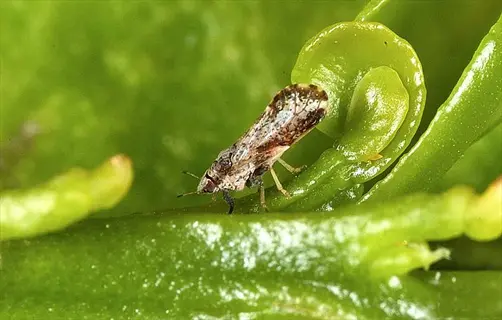
- Identification: These tiny insects measure 3-4 mm long and feed on new growth at a distinctive 45-degree angle to the leaf surface, unlike other psyllids that feed flat.
- Damage Caused: The psyllid vectors Huanglongbing (citrus greening), an incurable bacterial disease that causes lopsided, bitter fruit and eventual tree death within years.
- Life Cycle: Females can produce hundreds of eggs during their lifetime, and the pest breeds exclusively on young tender flush growth that appears after pruning or seasonal growth spurts.
- Detection Method: Look for waxy tubules (white, curled secretions) on new leaves and check growing tips regularly during spring flush when populations explode.
- Control Strategy: Remove heavily infested new growth immediately; apply horticultural oils or insecticidal soaps when psyllids are first detected; systemic insecticides provide longer protection.
- Prevention Focus: Report any suspected citrus greening symptoms to your local agricultural extension office, as this is a quarantine disease in many areas.
Scale Insects
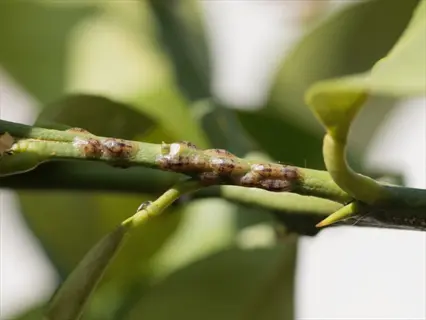
- Identification: Citrus scale insects appear as small bumps on bark, leaves, and fruit, ranging from soft cottony masses to hard armored shells depending on the species present.
- Damage Caused: Heavy infestations weaken trees by sucking plant sap, and soft scales produce honeydew that supports black sooty mold growth on leaves and fruit.
- Natural Enemies: Parasitic wasps, lady beetles, and lacewings provide excellent biological control; avoid broad-spectrum pesticides that kill these beneficial predators.
- Monitoring Approach: Check the undersides of leaves and along twigs monthly; sticky honeydew or black sooty mold often indicates scale presence before the insects themselves are noticed.
- Control Strategy: Horticultural oil sprays suffocate scale insects effectively; apply during cooler months when oil will not burn foliage, ensuring thorough coverage of all surfaces.
- Threshold Decision: Minor scale populations rarely harm established trees; intervene only when honeydew and sooty mold become problematic or tree vigor declines.
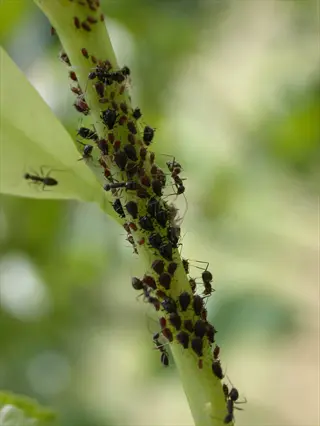
Aphids
- Identification: Soft-bodied insects clustering on new growth and leaf undersides, often green, black, or brown colored, with two tube-like structures projecting from the rear.
- Damage Caused: Aphids on citrus cause leaf curling, stunted growth, and honeydew production that leads to sooty mold; severe infestations can distort new growth and reduce fruit set.
- Natural Control: Lady beetles, lacewing larvae, syrphid fly larvae, and parasitic wasps eliminate most aphid populations naturally within weeks of appearing.
- Encouraging Beneficials: Plant flowering herbs and native plants near citrus to provide habitat and alternative food sources for beneficial predatory insects.
- Intervention Method: Strong water sprays dislodge aphids effectively; insecticidal soap works for persistent problems; avoid systemic insecticides that harm pollinators.
- Patience Required: New aphid colonies look alarming but beneficial insects typically arrive within days; wait at least a week before intervening unless trees show severe stress.
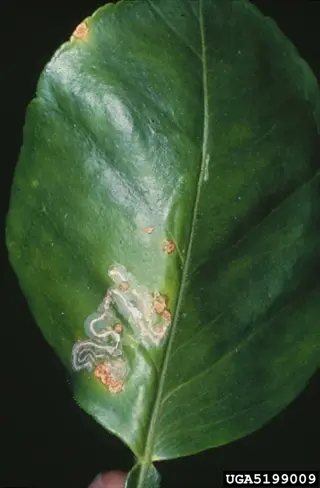
Citrus Leaf Miner
- Identification: Larvae create distinctive serpentine tunnels visible as silvery trails just beneath the leaf surface; adult moths are tiny and rarely seen.
- Damage Caused: Mining distorts new leaves and creates entry points for citrus canker bacteria; damage is mostly cosmetic on established trees but can stunt young tree growth.
- Timing Vulnerability: Leaf miners attack only tender new growth; established trees with infrequent flush are less affected than young trees producing continuous new leaves.
- Natural Predators: Several parasitic wasp species attack leaf miner larvae inside their tunnels, providing significant population control without pesticide use.
- Management Strategy: Protect new flush on young trees with spinosad products or horticultural oils applied before miners enter leaves; mature trees rarely need treatment.
- Growth Management: Reducing nitrogen fertilization slows excessive flushing and makes trees less attractive targets for egg-laying female moths.
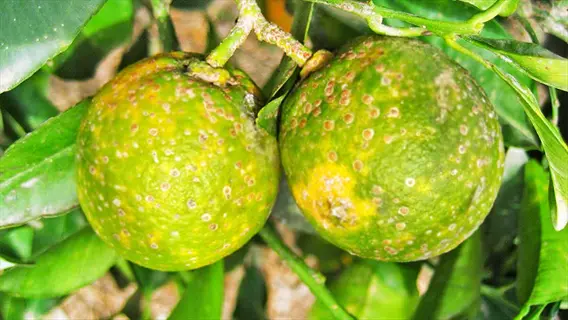
Citrus Greening Disease
- Identification: Asymmetrical yellowing patterns on leaves distinguish this citrus disease from nutrient deficiencies which cause uniform yellowing; fruits are small, lopsided, and bitter.
- Cause and Spread: Caused by Candidatus Liberibacter bacteria, spread only by the Asian citrus psyllid; once infected, trees cannot be cured and decline over several years.
- Economic Impact: This disease has devastated commercial citrus production globally and is considered the most destructive citrus disease with no cure currently available.
- Detection Challenge: Symptoms may not appear for months or years after infection, and infected trees can spread the disease via psyllid vectors before showing any visible signs.
- Management Options: Remove and destroy confirmed infected trees to protect neighboring citrus; maintain aggressive psyllid control on all citrus including ornamental varieties.
- Regulatory Status: Citrus greening is a reportable quarantine disease in most citrus growing regions; contact local agricultural authorities if symptoms are suspected.
The best citrus pest control comes from healthy trees grown with good practices. Strong trees resist insects better and recover faster from minor damage. Keep your trees well watered, properly fed, and pruned at the right times.
Cold Protection and Container Growing
Growing citrus in containers is like having a portable orchard in your backyard. You get the power to follow the sun during the day and escape frost at night. Container citrus care opens up citrus growing to people in zones that are too cold for trees planted in the ground.
I grow lemons in zone 7 by wheeling my dwarf citrus trees into the garage when temps drop below freezing. It works great but takes planning. Indoor citrus trees need 8-12 hours of direct sunlight and around 50% humidity. You may also need to pollinate flowers by hand since bees can't reach them inside.
Citrus frost protection matters even for cold hardy citrus in warmer zones. A single night below the damage threshold can kill branches or ruin a whole crop. The table below shows cold tolerance for common varieties so you know exactly when to take action.
Citrus cold protection can be as simple as draping frost cloth over trees or as complex as using heat lamps in an enclosed space. Start protecting your trees when forecasts show temps within 5 degrees of the damage threshold for your variety. Quick action saves trees from permanent harm.
5 Common Myths
Citrus trees need daily watering to produce abundant fruit and maintain healthy green foliage throughout the growing season.
Overwatering damages citrus roots and promotes disease. Soil should dry to 6 inches (15 cm) depth between irrigations, with watering every 7-28 days depending on season.
Yellow leaves on citrus trees always indicate the tree needs more water immediately to recover.
Yellow leaves more often signal overwatering, nutrient deficiencies (especially nitrogen or iron), or pest problems rather than drought stress.
Citrus trees require heavy annual pruning similar to deciduous fruit trees to produce quality fruit.
Citrus naturally maintains strong wood and requires minimal pruning. Heavy pruning exposes bark to sunscald and reduces fruit production.
Adding coffee grounds directly to citrus soil provides excellent nitrogen fertilization for the trees.
Fresh coffee grounds are acidic and can harm soil microbes. Composted grounds offer minimal nutrition and should supplement, not replace, balanced fertilizer.
Citrus fruit continues ripening after being picked, so harvesting early allows indoor ripening for convenience.
Unlike bananas or tomatoes, citrus fruit stops ripening once harvested. Fruit must reach full maturity on the tree for proper sugar and flavor development.
Conclusion
Citrus tree care comes down to five key practices that work together. Proper watering that changes with the seasons keeps roots healthy. Balanced nutrition with the right nitrogen levels fuels growth. Minimal but well timed pruning protects bark. Watching for pests catches problems early. And climate protection saves trees from frost damage.
The best citrus growing tips I can share is to respect your tree's natural calendar. These plants follow seasonal rhythms that have worked for thousands of years. Water heavy in summer, feed during active growth, prune in late winter, and protect during cold snaps. Follow this pattern and citrus tree health takes care of itself.
Most home citrus does fine without heavy chemical sprays when you get the basics right. Strong trees grown with good practices resist pests on their own. Natural predators handle minor problems while you focus on water and nutrition. This approach gives you healthy citrus trees that produce fruit for decades.
Start with the seasonal care calendar and watering schedule as your foundation for growing citrus at home. Add fertilizing once you have watering down. Then layer in pest monitoring as you learn what to watch for. Before long, home citrus growing becomes second nature and those backyard fruits taste better than anything you can buy at the store.
External Sources
Frequently Asked Questions
What does Epsom salt do for citrus trees?
Epsom salt provides magnesium sulfate, which supports chlorophyll production in citrus trees. Magnesium is essential as the center molecule of chlorophyll, helping leaves stay green and supporting photosynthesis for healthy fruit development.
What are the symptoms of magnesium deficiency in citrus trees?
Magnesium deficiency symptoms in citrus include:
- Yellowing between leaf veins while veins stay green
- Older leaves affected first before spreading upward
- Bronze or purple tinting on leaf edges
- Premature leaf drop in severe cases
Does vinegar help citrus trees?
Diluted vinegar can temporarily lower soil pH for citrus trees that prefer slightly acidic conditions (pH 5.5-6.5). However, it is not a reliable long-term solution and excessive use can harm beneficial soil organisms and damage roots.
Why do citrus trees lose their leaves?
Citrus trees lose leaves due to several stress factors:
- Overwatering or underwatering causing root stress
- Sudden temperature changes or cold damage
- Nutrient deficiencies especially nitrogen or iron
- Pest infestations or disease infections
- Transplant shock when moving container trees
How do you make a lemon tree happy?
Keep lemon trees thriving with these key practices:
- Provide 8-12 hours of direct sunlight daily
- Water deeply when soil dries to 2-3 inches (5-7.5 cm) depth
- Fertilize 3-5 times per year with balanced citrus fertilizer
- Maintain soil pH between 5.5 and 6.5
- Protect from temperatures below 29 degrees Fahrenheit (-1.5 degrees Celsius)
What is the best way to feed citrus trees?
The best feeding method combines soil application with occasional foliar feeding. Apply balanced fertilizer (6-6-6 or 8-8-8) three to five times yearly during the growing season, and supplement with foliar sprays which can increase yields by 10-25 percent.
When is the best time to harvest citrus fruit?
Citrus ripening depends on variety and can take 6-9 months after flowering. Unlike other fruits, citrus does not continue ripening after picking. The best method is to taste-test periodically since color alone is not a reliable ripeness indicator.
How do I choose the right rootstock for citrus?
Rootstock selection affects tree size, cold hardiness, and disease resistance:
- Flying Dragon rootstock produces compact 4-8 foot (1.2-2.4 m) trees ideal for containers
- Trifoliate orange rootstock offers cold tolerance down to 5 degrees Fahrenheit (-15 degrees Celsius)
- Standard rootstocks create full-size trees needing 15 feet (4.5 m) spacing
- Consult local nurseries for region-appropriate rootstock options
What causes citrus fruit to split or crack?
Fruit splitting occurs when rapid water uptake causes the fruit interior to expand faster than the peel can stretch. Low potassium levels thin the peel and increase splitting risk. Consistent irrigation and adequate potassium fertilization prevent this common problem.
Can citrus trees grow in USDA zone 8?
Some cold-hardy citrus can survive in protected zone 8 locations:
- Satsuma mandarins and kumquats tolerate temperatures to 20 degrees Fahrenheit (-7 degrees Celsius)
- Trifoliate orange survives to 5 degrees Fahrenheit (-15 degrees Celsius) but is ornamental
- Winter protection such as covers and heat sources extends growing range
- Container growing allows moving trees indoors during freezes