
Introduction
Few fruit trees grab attention quite like the cherry. The Prunus genus contains over 430 species found across three continents. Cherry tree varieties offer something for every home garden, from sweet fruit to stunning spring blooms.
The United States ranks as the second largest cherry producer after Turkey. Washington State grows 62% of the national sweet cherry crop on its own. I spent years testing which types work best in different climates. Global production jumped 37% between 2000 and 2020, which shows rising demand from gardeners like you.
Cherry selection works like picking the right tool for a job. Sweet cherries from Prunus avium give you juicy fruit for fresh eating. Sour cherries from Prunus cerasus make the best pies and preserves you will ever taste. Ornamental cherry trees create a stunning spring show without any fruit to pick.
This guide covers 15 options for different spaces and goals. You will learn which trees pollinate on their own and which need partners nearby. By the end, you will know the right cherry tree for your backyard.
15 Cherry Tree Varieties
These 15 cherry tree varieties cover every goal a home gardener might have. I grouped them by purpose so you can find what fits your needs fast. The famous Bing cherry and Rainier cherry from Prunus avium lead the fresh eating options. Tart types from Prunus cerasus like Montmorency cherry make the best pies.
Cherry types vary a lot in their health value. Anthocyanin levels range from 72.9 to 2,640.7 micrograms per gram in fresh fruit. The Stella cherry and Lapins cherry pollinate on their own, so you only need one tree. Dwarf cherry trees like Carmine Jewel grow in tight spots where standard trees would fail.
I added newer releases from WSU breeding programs that most guides skip. Chelan ripens early while Sweetheart comes in late to extend your harvest. Yoshino cherry and Kwanzan cherry round out the list with gorgeous spring blooms for those who want beauty over fruit.
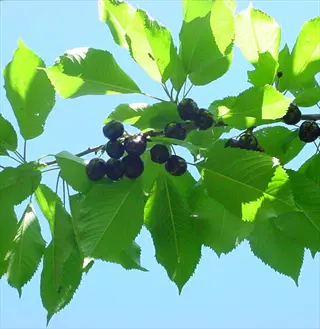
Bing Sweet Cherry
- Type: Sweet cherry (Prunus avium) that dominates the fresh market, accounting for 50% to 75% of Pacific Northwest commercial production according to USDA data.
- Appearance: Large, heart-shaped fruit with deep mahogany to almost black skin when fully ripe, firm flesh that holds up well during shipping and handling.
- Flavor Profile: Rich, intensely sweet taste with balanced acidity, considered the benchmark against which other sweet cherry varieties are measured.
- Growing Zones: Thrives in USDA zones 5 through 8, requiring approximately 700 chill hours below 45°F (7°C) to break dormancy and produce fruit.
- Pollination Needs: Self-sterile variety that requires cross-pollination from compatible varieties such as Van, Rainier, or Lapins to set fruit successfully.
- Harvest Timing: Mid-season ripening in late June to early July, with trees reaching 35 feet (10.7 meters) tall on standard rootstock and living approximately 30 years.
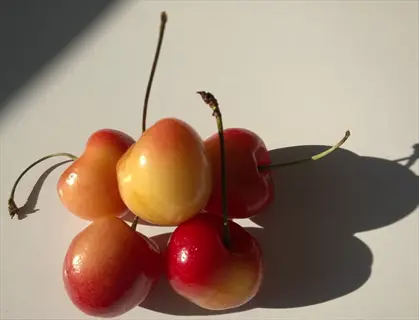
Rainier Sweet Cherry
- Type: Premium sweet cherry (Prunus avium) developed by Washington State University, known for exceptional sweetness reaching up to 22 degrees Brix sugar content.
- Appearance: Distinctive yellow skin with red blush coloring, cream to pale yellow flesh that bruises easily and requires careful handling during harvest.
- Flavor Profile: Exceptionally sweet with lower acidity than dark cherries, featuring delicate honey-like notes that make it a favorite for fresh eating.
- Growing Zones: Best suited for USDA zones 5 through 8, with trees growing 15 to 25 feet (4.6 to 7.6 meters) tall and producing fruit for 20 to 30 years.
- Pollination Needs: Requires cross-pollination from Bing, Van, or Lambert varieties, as it cannot pollinate itself despite being an excellent pollinizer for others.
- Harvest Timing: Ripens in mid to late June, approximately one week before Bing, making it vulnerable to rain cracking during wet spring weather.
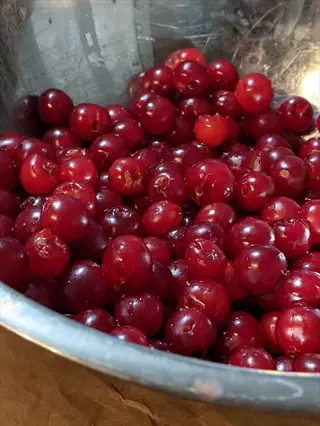
Montmorency Tart Cherry
- Type: The dominant tart cherry (Prunus cerasus) variety in North America, with this 400-year-old cultivar forming the foundation of the entire U.S. tart cherry industry.
- Appearance: Bright red skin with yellow flesh that remains firm during cooking, medium-sized fruit growing on trees reaching 20 feet (6.1 meters) in height.
- Flavor Profile: Classic tart cherry taste with balanced acidity perfect for pies, jams, and preserves, containing 110 micrograms per gram of health-promoting anthocyanins.
- Growing Zones: Extremely cold hardy for USDA zones 4 through 7, thriving in northern climates where sweet cherries struggle to survive harsh winters.
- Pollination Needs: Completely self-fertile variety that produces abundant crops without needing a second tree, making it ideal for home gardeners with limited space.
- Harvest Timing: Mid-season ripening in late June to early July, with Michigan producing over 130 million pounds annually from Montmorency orchards.
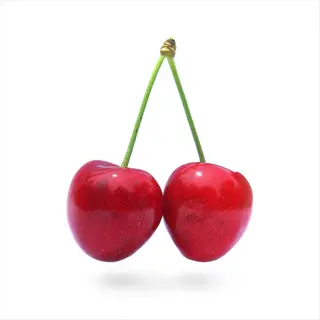
Stella Sweet Cherry
- Type: Self-fertile sweet cherry (Prunus avium) developed in Canada, one of the few sweet varieties that produces fruit without requiring a second tree for pollination.
- Appearance: Large, heart-shaped dark red to almost black fruit with firm flesh, growing on vigorous trees that reach 25 to 30 feet (7.6 to 9.1 meters) tall.
- Flavor Profile: Rich, sweet flavor comparable to Bing with excellent eating quality fresh from the tree, though slightly softer texture than commercial varieties.
- Growing Zones: Performs well in USDA zones 5 through 9, showing good adaptability to various climates and soil conditions across North America.
- Pollination Needs: Self-fertile and also serves as an excellent pollinator for other sweet cherry varieties, making it the perfect choice for mixed cherry plantings.
- Harvest Timing: Ripens in mid-season about the same time as Bing, with consistent production once trees reach maturity at 4 to 7 years old.
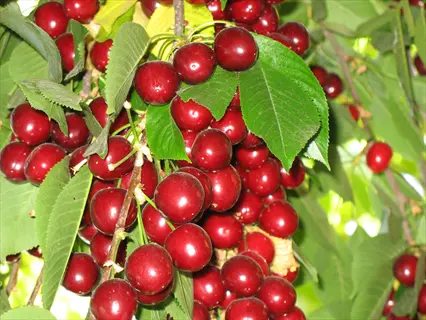
Lapins Sweet Cherry
- Type: Self-fertile sweet cherry (Prunus avium) developed in British Columbia, bred specifically to address the pollination challenges of traditional sweet cherry varieties.
- Appearance: Very large, firm dark red fruit with excellent crack resistance, growing on trees that reach 25 feet (7.6 meters) tall on standard rootstock.
- Flavor Profile: Sweet and mildly acidic flavor similar to Bing but with firmer flesh that extends shelf life, making it popular for both fresh markets and home gardens.
- Growing Zones: Hardy in USDA zones 5 through 8, requiring 700 to 800 chill hours but showing good resistance to late spring frost damage.
- Pollination Needs: Completely self-fertile variety that also serves as a universal pollinator compatible with most other sweet cherry varieties including Bing and Rainier.
- Harvest Timing: Late-season ripening approximately two weeks after Bing, extending the harvest window when planted alongside earlier varieties.
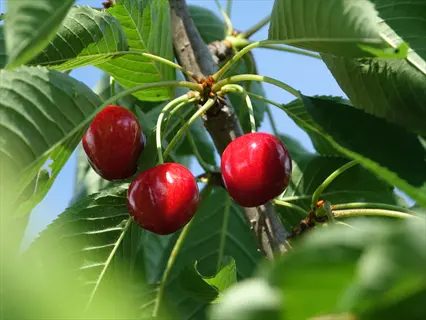
Chelan Sweet Cherry
- Type: Early-ripening sweet cherry (Prunus avium) released by Washington State University breeding program, designed to extend the commercial harvest season.
- Appearance: Medium to large dark red fruit with firm flesh and small pit, growing on moderately vigorous trees reaching 30 feet (9.1 meters) on standard rootstock.
- Flavor Profile: Sweet flavor with lower acidity than Bing, though some consider it slightly less complex in taste due to its early harvest timing.
- Growing Zones: Performs best in USDA zones 5 through 8, with trees requiring similar chill hours to other Pacific Northwest varieties.
- Pollination Needs: Requires cross-pollination from compatible varieties such as Bing, Van, or Lapins, as it is not self-fertile despite modern breeding origins.
- Harvest Timing: Ripens approximately two weeks before Bing in early June, giving growers first access to fresh cherry markets each season.
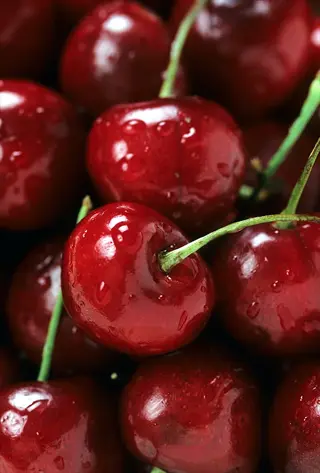
Sweetheart Sweet Cherry
- Type: Late-season self-fertile sweet cherry (Prunus avium) from the Summerland Research Station in British Columbia, extending harvest into late summer.
- Appearance: Large, bright red fruit with firm flesh and excellent shipping quality, growing on trees reaching 20 to 25 feet (6.1 to 7.6 meters) tall.
- Flavor Profile: Mildly sweet with balanced acidity, slightly lower sugar content than Bing but with appealing crunch and good fresh eating quality.
- Growing Zones: Adapted to USDA zones 5 through 8, showing particular success in Pacific Northwest climates with adequate winter chill.
- Pollination Needs: Self-fertile variety that produces good crops alone, though yields may increase slightly with cross-pollination from other sweet cherries.
- Harvest Timing: Very late ripening in mid to late July, approximately three weeks after Bing, making it one of the last sweet cherries available each season.
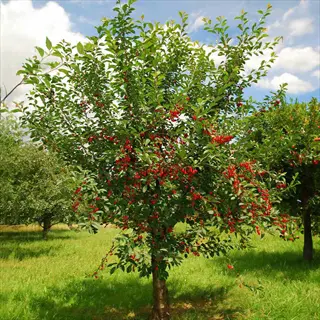
North Star Tart Cherry
- Type: Compact tart cherry (Prunus cerasus) developed at the University of Minnesota, specifically bred for cold hardiness and small garden spaces.
- Appearance: Bright red skin with red-tinged flesh, medium-sized fruit growing on naturally dwarf trees only 8 to 10 feet (2.4 to 3 meters) tall.
- Flavor Profile: Intensely tart with excellent processing quality for pies, preserves, and juice, releasing bright red color when cooked.
- Growing Zones: Extremely cold hardy for USDA zones 4 through 8, surviving temperatures down to -40°F (-40°C).
- Pollination Needs: Completely self-fertile like all tart cherries, producing heavy crops without requiring a pollination partner nearby.
- Harvest Timing: Mid-season ripening in late June to early July, with trees beginning to produce fruit just 2 to 3 years after planting.
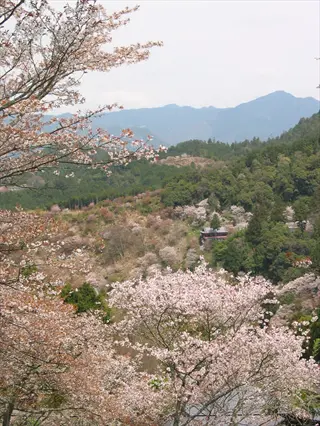
Yoshino Flowering Cherry
- Type: Ornamental cherry (Prunus x yedoensis) hybrid that represents approximately 70% of the famous Tidal Basin collection in Washington D.C.
- Appearance: Masses of single pale pink to white blossoms covering bare branches in spring, with trees growing 30 to 50 feet (9.1 to 15.2 meters) tall and wide.
- Bloom Characteristics: Flowers appear before leaves emerge in early spring, creating the iconic cloud-like effect celebrated during cherry blossom festivals worldwide.
- Growing Zones: Thrives in USDA zones 5 through 8, preferring full sun and well-drained soil with moderate water requirements.
- Landscape Value: Serves as a stunning specimen tree or creates breathtaking allees when planted in rows, with fall foliage adding seasonal interest.
- Fruit Production: Produces small inedible fruit attractive to birds, but primarily grown for ornamental spring blooms rather than fruit harvest.
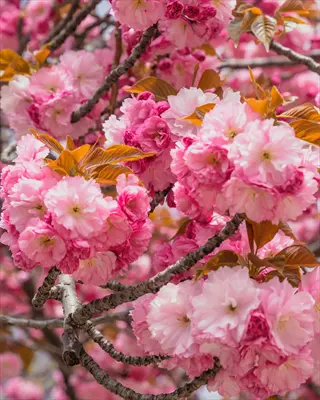
Kwanzan Flowering Cherry
- Type: Ornamental cherry (Prunus serrulata) known for dramatic double pink blossoms, comprising approximately 13% of the Washington D.C. cherry collection.
- Appearance: Large clusters of deep pink double flowers with 20 to 30 petals each, blooming on vase-shaped trees reaching 25 to 30 feet (7.6 to 9.1 meters) tall.
- Bloom Characteristics: Flowers appear one to two weeks after Yoshino cherries in mid-spring, extending the cherry blossom viewing season significantly.
- Growing Zones: Adaptable to USDA zones 5 through 9, tolerating heat better than many ornamental cherry varieties while maintaining vigorous growth.
- Landscape Value: Excellent for formal landscapes and urban plantings, with bronze-colored new leaves adding multi-season visual interest.
- Fruit Production: Rarely produces fruit, making it a cleaner landscape choice than fruit-bearing varieties while attracting fewer pests.
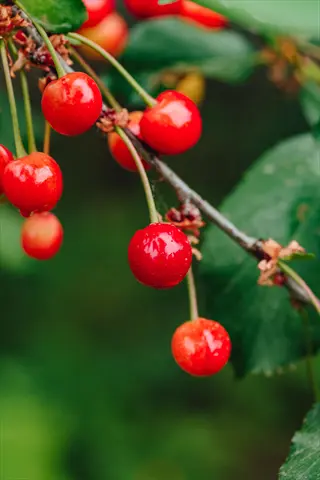
Carmine Jewel Bush Cherry
- Type: Dwarf tart cherry hybrid (Prunus cerasus x Prunus fruticosa) developed at the University of Saskatchewan for extreme cold hardiness and compact size.
- Appearance: Dark red to almost black fruit on dense, bushy plants growing only 6 to 8 feet (1.8 to 2.4 meters) tall and equally wide.
- Flavor Profile: Balanced sweet-tart flavor suitable for fresh eating unlike most tart cherries, with high anthocyanin content providing rich color.
- Growing Zones: Exceptionally cold hardy for USDA zones 2 through 7, surviving brutal prairie winters that would kill standard cherry trees.
- Pollination Needs: Self-fertile variety that produces abundant fruit without a pollination partner, though planting multiples may increase yields.
- Container Growing: Perfect for large containers or small urban spaces, producing full-sized cherries on plants small enough for patios and balconies.
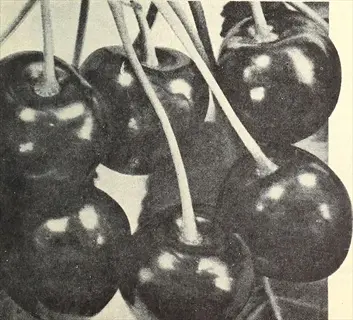
Black Tartarian Sweet Cherry
- Type: Heritage sweet cherry (Prunus avium) introduced from Russia in the 1700s, one of the oldest sweet cherry varieties still widely grown today.
- Appearance: Heart-shaped dark purple to black fruit with soft, juicy flesh, growing on vigorous spreading trees reaching 35 feet (10.7 meters) tall.
- Flavor Profile: Very sweet and richly flavored with tender texture, though soft flesh makes it better suited for home gardens than commercial shipping.
- Growing Zones: Hardy in USDA zones 5 through 7, performing best in areas with cold winters and moderate summer temperatures.
- Pollination Needs: Requires cross-pollination but serves as an excellent pollinator for many other sweet cherry varieties including Bing and Rainier.
- Harvest Timing: Early to mid-season ripening in June, often one of the first sweet cherries ready for harvest each year.
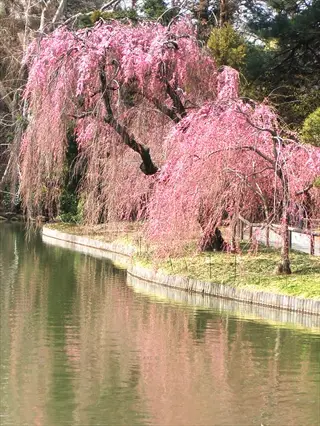
Weeping Higan Cherry
- Type: Ornamental weeping cherry (Prunus subhirtella var. pendula) prized for dramatic cascading branches covered in spring blossoms.
- Appearance: Graceful pendulous branches sweeping toward the ground, covered in single or double pink flowers on trees reaching 20 to 30 feet (6.1 to 9.1 meters).
- Bloom Characteristics: Among the earliest ornamental cherries to bloom, often flowering before other varieties with blossoms lasting several weeks.
- Growing Zones: Adaptable to USDA zones 4 through 8, showing good cold tolerance for a flowering cherry while thriving in various soil types.
- Landscape Value: Creates a dramatic focal point as a specimen tree, with branches that can be trained and shaped for maximum visual impact.
- Fruit Production: Small cherry-like fruit appears after flowering but is not edible, primarily serving to attract songbirds to the garden.
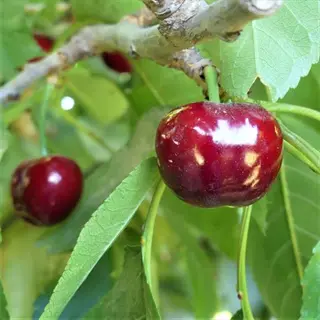
Utah Giant Sweet Cherry
- Type: Large-fruited sweet cherry (Prunus avium) developed in Utah, producing some of the biggest cherries available for home gardeners.
- Appearance: Exceptionally large dark red fruit, significantly bigger than Bing with firm flesh that handles well despite impressive size.
- Flavor Profile: Sweeter than Bing or Lambert with excellent fresh eating quality, combining size with flavor that other large varieties often lack.
- Growing Zones: Best suited for USDA zone 6 and warmer, showing good disease resistance that makes it easier to grow than some heritage varieties.
- Pollination Needs: Requires cross-pollination from compatible sweet cherry varieties, with Stella and Lapins working well as pollination partners.
- Harvest Timing: Mid to late season ripening after Bing, extending the harvest window while producing impressive yields of oversized fruit.
Early Richmond Tart Cherry
- Type: Historic tart cherry (Prunus cerasus) variety dating back centuries, known for reliable production and classic pie cherry characteristics.
- Appearance: Medium-sized bright red fruit with clear juice and soft flesh, growing on spreading trees reaching 20 feet (6.1 meters) tall.
- Flavor Profile: Traditional tart cherry taste ideal for pies, cobblers, and preserves, with fruit that softens quickly and requires prompt processing.
- Growing Zones: Cold hardy for USDA zones 4 through 8, thriving across a wide range of climates from the northern plains to the mid-Atlantic.
- Pollination Needs: Self-fertile variety producing reliable crops without cross-pollination, though planting near other tart cherries may boost yields.
- Harvest Timing: One of the earliest tart cherries to ripen in early June, often ready two weeks before Montmorency in the same climate.
Sweet Cherry Varieties
Sweet cherry trees from Prunus avium give you the best fresh eating cherries at home. Bing cherry alone makes up 50% to 75% of Pacific Northwest production. I grow several sweet types in my own yard. Rainier cherry stands out as the sweetest with sugar that can hit 22 degrees Brix.
Think of dessert cherries on a flavor spectrum. Dark red types like Bing cherry and Lapins cherry pack bold sweetness with a hint of tartness. Yellow types like Rainier deliver a more delicate honey flavor without the punch. Modern breeding programs at WSU now focus on firmness, size, and crack resistance for the next wave of varieties.
Sweet cherries grow bigger than tart types because their cells expand up to 100 times during the final growth stage. The Chelan cherry ripens first, followed by Bing and Rainier, with Lapins and Sweetheart coming last. Plant several varieties and you can pick fresh cherries for over a month each summer.
Sour and Tart Cherries
Sour cherry trees from Prunus cerasus make the best pie cherries and baking cherries you can grow. The entire U.S. tart cherry industry runs on the 400 year old Montmorency cherry that still beats modern breeds for cooking. I bake with tart cherries every summer and nothing else comes close for flavor in a pie.
Tart cherry varieties split into two types that most guides never explain. Amarelle types like Montmorency have clear juice and yellow flesh that holds shape when cooked. Morello types have dark red flesh that stains everything but creates richer color in preserves and drinks. Each serves a different purpose in your kitchen.
North Star cherry grows as a natural dwarf that fits small yards. All sour cherry trees pollinate on their own, which makes them perfect for beginners with room for just one tree. Michigan alone grew over 130 million pounds of cooking cherries in 2023, and you can join that tradition in your own backyard.
Montmorency - The Industry Standard
- Dominance: This 400 year old cultivar forms the base of the entire North American tart cherry industry, with Michigan alone producing over 130 million pounds (59 million kg) each year.
- Classification: Amarelle type tart cherry with clear juice and yellow flesh that holds its shape during cooking, making it the top choice for commercial pie filling.
- Flavor Profile: Classic tart cherry taste with balanced acidity that develops rich flavor when cooked, though too sour for most fresh eating.
- Health Benefits: Contains 110 micrograms per gram of anthocyanins, providing antioxidant properties studied for sleep support and post workout recovery.
- Growing Ease: Self fertile and cold hardy to USDA zone 4, requiring minimal care while producing reliable crops even in tough climates.
North Star - Compact Garden Variety
- Size Advantage: University of Minnesota breeding created this natural dwarf tree growing only 8 to 10 feet (2.4 to 3 meters) tall, perfect for small yards and easier harvest.
- Cold Hardiness: Survives temperatures down to -40°F (-40°C), making it the go to tart cherry for northern gardeners in zones 4 through 8.
- Fruit Quality: Bright red skin with red tinged flesh produces excellent pies and preserves, with intense tartness that concentrates when processed.
- Early Production: Trees begin bearing fruit just 2 to 3 years after planting, much faster than standard cherry trees that take 4 to 7 years.
- Self Fertility: Like all tart cherries, North Star produces heavy crops without a pollination partner, which makes planning simple for home gardeners.
Meteor - Semi-Dwarf Pie Cherry
- Tree Form: Semi dwarf growth to 10 to 14 feet (3 to 4.3 meters) tall offers a middle ground between compact North Star and full sized Montmorency trees.
- Fruit Characteristics: Large, bright red fruit with yellow flesh and clear juice, producing the classic light colored pie filling that home bakers prefer.
- Breeding Origin: Developed at the University of Minnesota by crossing Montmorency with a Russian variety, combining American flavor with enhanced cold tolerance.
- Disease Resistance: Shows better resistance to leaf spot diseases than some older tart cherry varieties, reducing the need for fungicide applications.
- Productivity: Heavy annual bearer that produces consistent crops once established, starting production 3 to 4 years after planting.
Morello Types - Dark Juice Varieties
- Juice Color: Unlike Amarelle types, Morello tart cherries have dark red flesh that releases deep red juice, creating colored preserves and drinks.
- European Heritage: Traditional Morello varieties come from European breeding programs that valued them for liqueur production and rich preserves.
- Anthocyanin Content: USDA research shows certain dark fleshed varieties contain up to 2,640 micrograms per gram of anthocyanins, vastly exceeding Montmorency levels.
- Growing Considerations: Some Morello types require more care than American Amarelle varieties but reward growers with distinct flavor and color profiles.
- Culinary Uses: Preferred for cherry sauce, European style preserves, and any recipe where deep ruby color enhances presentation.
Ornamental Flowering Cherries
Ornamental cherry trees bring spring beauty without the work of fruit harvest. I saw the cherry blossom trees in Washington D.C. bloom last spring. The sight stuck with me for months. Japan gifted 3,000 flowering cherry trees to the city in 1912. That gift sparked American love for these Japanese cherry trees.
The Yoshino cherry makes up about 70% of the Tidal Basin collection. Millions of visitors come to see them bloom each year. Kwanzan cherry blooms one to two weeks later with double pink flowers that extend the show. Plant both types and you can watch blooms for weeks in your own yard.
Weeping cherry trees create a dramatic look that few other plants can match. The Prunus serrulata group has dozens of named types to choose from. Most gardeners stick with proven performers. These trees grow fast and live for decades with full sun and good drainage.
Yoshino Cherry - Festival Favorite
- Cultural Significance: This hybrid (Prunus x yedoensis) represents about 70% of the famous Tidal Basin cherry collection in Washington D.C., drawing millions of visitors each spring.
- Bloom Display: Masses of single white to pale pink flowers emerge before leaves appear, creating the ethereal cloud like effect that defines cherry blossom season worldwide.
- Growth Habit: Fast growing trees reach 30 to 50 feet (9.1 to 15.2 meters) tall and wide, developing a graceful spreading canopy with horizontal branching.
- Climate Adaptability: Thrives in USDA zones 5 through 8 with full sun exposure, tolerating urban conditions including air pollution and compacted soils.
- Landscape Applications: Works great as specimen trees, along streets and walkways, or massed in groups for maximum spring impact.
Kwanzan Cherry - Double Pink Blooms
- Flower Form: Dramatic clusters of deep pink double flowers contain 20 to 30 petals each, creating dense pom pom like blooms far showier than single varieties.
- Bloom Timing: Flowers appear one to two weeks after Yoshino cherries in mid spring, which extends cherry blossom viewing season when planted together.
- Tree Structure: Vase shaped growth habit reaches 25 to 30 feet (7.6 to 9.1 meters) tall, with bronze tinted new leaves adding additional seasonal color.
- Heat Tolerance: Adapts well to USDA zones 5 through 9, handling warmer climates better than many ornamental cherry varieties.
- Clean Landscape: Rarely produces fruit, eliminating the mess and pest attraction associated with fruit bearing cherry trees.
Weeping Higan - Graceful Cascades
- Dramatic Form: Long pendulous branches sweep toward the ground in graceful cascades, creating one of the most striking ornamental tree silhouettes in any landscape.
- Early Bloomer: Among the first ornamental cherries to flower each spring, often blooming before other varieties with blossoms persisting for several weeks.
- Size Range: Trees reach 20 to 30 feet (6.1 to 9.1 meters) tall depending on variety, with branch spread that can equal or exceed height.
- Cold Tolerance: Hardy to USDA zone 4, showing better cold tolerance than many flowering cherries while maintaining graceful form.
- Specimen Value: Best used as a focal point or specimen tree where the weeping cherry habit can be fully enjoyed without crowding.
Okame Cherry - Compact Early Color
- Hybrid Origins: A cross between Prunus campanulata and Prunus incisa creates this compact, early blooming ornamental popular for smaller landscapes.
- Bloom Characteristics: Deep pink to carmine single flowers appear very early in spring, often the first ornamental cherry to bloom in a given area.
- Mature Size: Compact growth to 20 to 25 feet (6.1 to 7.6 meters) tall makes Okame suitable for smaller properties where full sized ornamentals would overwhelm.
- Fall Interest: Excellent orange red fall foliage color extends seasonal interest beyond the spring bloom period.
- Urban Tolerance: Handles urban conditions well including heat, drought once established, and restricted root zones in street plantings.
Autumn Cherry - Season-Extending Blooms
- Unique Timing: This variety (Prunus subhirtella Autumnalis) produces flowers in both fall and spring, offering pink or white blooms during two seasons.
- Fall Display: Semi double flowers appear during warm spells from November through March, providing unexpected color during the dormant season.
- Spring Encore: Additional heavier bloom occurs in spring with the main flush of ornamental cherry flowers across the landscape.
- Growing Zones: Hardy in USDA zones 4 through 8, showing good adaptability to various climates across much of North America.
- Multi Season Interest: Combines unique bloom timing with attractive bark and fall leaf color for year round landscape contribution.
Dwarf and Bush Cherries
Dwarf cherry trees and cherry bush varieties let you grow cherries in small spaces that would never fit a standard tree. I grow a Carmine Jewel cherry in a large pot on my patio and it produces just as well as my neighbor's full size tree. Think of it like apartment living versus a house: you get the same fruit in a much smaller package.
Standard cherry trees reach 25 to 35 feet (7.6 to 10.7 meters) tall, which is way too big for most backyards. Bush cherries like the Romance series grow only 6 to 8 feet (1.8 to 2.4 meters) tall. You can reach every branch without a ladder, and they fit in corners that would otherwise go unused.
Container cherry trees work great on patios, balconies, and rooftops. Use pots that hold at least 15 to 20 gallons (57 to 76 liters) of soil. Compact cherry trees on Gisela rootstock adapt well to pots if you keep up with water and food. The Romance series offers small space cherries that survive zone 2 winters in patio cherry trees.
Carmine Jewel Bush Cherry
- Breeding Innovation: University of Saskatchewan developed this dwarf tart cherry hybrid by crossing Prunus cerasus with Prunus fruticosa, creating exceptional cold hardiness.
- Compact Size: Dense bushy growth reaches only 6 to 8 feet (1.8 to 2.4 meters) tall and wide, perfect for small gardens and large containers.
- Extreme Hardiness: Survives winter temperatures down to USDA zone 2, making it one of the only cherry options for gardeners in the coldest northern climates.
- Fruit Quality: Dark red to almost black fruit with balanced sweet tart flavor suitable for fresh eating, unlike most tart cherries that require cooking.
- Container Success: Thrives in large containers of 15 to 20 gallons (57 to 76 liters), bringing cherry production to balconies, patios, and urban rooftops.
Juliet Bush Cherry
- Romance Series: Part of the University of Saskatchewan Romance series alongside Carmine Jewel and Romeo, bred for similar extreme cold tolerance.
- Sweeter Fruit: Produces the sweetest fruit of the Romance series, with enough natural sugar to enjoy fresh while retaining excellent cooking properties.
- Growth Habit: Grows to 6 to 8 feet (1.8 to 2.4 meters) tall, with upright spreading form that facilitates harvest.
- Heavy Production: Bears abundant crops of dark red fruit once established, starting production 2 to 3 years after planting.
- Self Fertility: Self fertile like other Romance series varieties, requiring no pollination partner to produce fruit.
Romeo Bush Cherry
- Compact Leader: The smallest of the Romance series at 5 to 7 feet (1.5 to 2.1 meters) tall, making it ideal for the most space constrained gardens.
- Fruit Character: Dark red fruit with excellent sweet tart balance, a bit more acidic than Juliet but still pleasant for fresh eating.
- Cold Champion: Matches Carmine Jewel for extreme cold hardiness, surviving zone 2 winters that would kill most other stone fruit trees.
- Landscape Dual Use: Attractive enough for ornamental use with white spring blossoms and colorful fall foliage, plus productive fruit harvest.
- Easy Care: Requires minimal pruning compared to standard cherry trees, with a natural compact form that keeps its shape without work.
Dwarf Sweet Cherries on Gisela Rootstock
- Rootstock Revolution: Gisela series dwarfing rootstocks from Germany reduce standard sweet cherry varieties to 40% to 50% of normal size.
- Variety Options: Popular sweet varieties including Bing, Rainier, Stella, and Lapins can be grafted onto Gisela 5 or Gisela 6 for compact growth.
- Mature Size: Trees on Gisela 5 reach 8 to 12 feet (2.4 to 3.7 meters) tall, while Gisela 6 produces trees at 10 to 14 feet (3 to 4.3 meters).
- Earlier Bearing: Dwarfing rootstocks promote earlier fruit production, with trees often bearing 2 to 3 years sooner than those on standard rootstock.
- Container Potential: Semi dwarf trees on Gisela rootstock can succeed in large containers with proper care, bringing sweet cherry growing to small spaces.
Pollination and Growing Zones
Cherry tree pollination makes or breaks your harvest each year. Most sweet cherries need cross-pollination from a different variety to set fruit. Self-fertile cherry trees like Stella and Lapins can produce alone, which makes them ideal for small yards where you only have room for one tree.
Flowers stay receptive for only 3 to 5 days after they open, so timing matters. Wild bees do a better job than honeybees at moving pollen between trees. I always plant pollination compatible pairs within 50 feet of each other to make sure bees can reach both trees on the same trip.
Cherry growing zones depend on USDA hardiness zones and chill hours cherry trees need each winter. Most sweet cherries require about 700 chill hours below 45°F (7°C) to break dormancy. Track your local chill hours just like you track rainfall to pick the right variety for your climate.
Some cherry trees share genes that block them from setting fruit together. Breeders call these S alleles and group trees by type. Use the table above to check pollination compatibility so you can pick the right pairs for your yard.
5 Common Myths
Cherry trees are too difficult for home gardeners to grow successfully and require professional orchard management to produce any fruit.
Sour cherry varieties like Montmorency and North Star are among the easiest fruit trees for beginners, being self-fertile, cold hardy, and naturally disease resistant.
All cherry trees need another tree nearby for pollination, so you cannot grow just one cherry tree and expect to harvest cherries.
Self-fertile varieties including Stella, Lapins, Sweetheart, and all sour cherries produce abundant fruit without a second tree for cross-pollination.
Cherry trees only grow well in cold northern climates and cannot survive or produce fruit in warmer southern regions.
Low-chill cherry varieties developed for mild winters can thrive in USDA zones 8 and 9, and some ornamental cherries grow successfully in zone 10.
Ornamental cherry trees and fruit-bearing cherry trees are completely different species that share nothing in common beyond the name.
Both ornamental and fruiting cherries belong to the Prunus genus, with ornamental types bred for flowers while fruiting types emphasize fruit production traits.
Dwarf cherry trees produce small, inferior fruit compared to standard-sized trees and are not worth planting for serious fruit production.
Dwarf cherry trees produce full-sized fruit identical to standard trees, with dwarfing rootstocks only affecting tree height rather than fruit quality or flavor.
Conclusion
Cherry variety selection comes down to three main factors: what you want from the tree, how much space you have, and which types grow well in your climate. Sweet cherries give you the best backyard fruit trees for fresh eating. Tart types make the finest pies. Ornamental cherries offer spring beauty without any fruit to worry about.
Start your home orchard with a self fertile variety like Stella or Lapins if you only have room for one tree. All tart cherries pollinate on their own too, so Montmorency or North Star work great for beginners. Growing cherry trees gets easier when you match the tree to your zone and check pollination needs first.
Global cherry production jumped 37% over two decades, which shows how many people now want these trees at home. You can join that trend with just one well chosen tree in your yard. Pick a variety that fits your goals and you will enjoy fresh cherries or stunning blooms for years to come.
The cherry tree varieties in this guide cover options for every situation. Start small and add more trees as you learn what works in your space. Your first harvest will show you why gardeners keep coming back to these rewarding trees year after year.
External Sources
Frequently Asked Questions
What is the best type of cherry tree?
The best cherry tree depends on your goals. For fresh eating, Bing and Rainier sweet cherries are favorites. For baking, Montmorency tart cherries excel. For ornamental beauty, Yoshino cherry trees provide stunning spring blooms.
Which type of cherries are the sweetest?
Rainier cherries are among the sweetest varieties, with their yellow and red skin and exceptionally high sugar content reaching up to 22 degrees Brix. Bing cherries follow closely with their rich, sweet flavor.
What not to plant next to cherry trees?
Avoid planting black walnut trees near cherries, as they release juglone that inhibits growth. Also keep cherries away from nightshade family plants and grasses that compete for nutrients.
How many cherry trees do you need to grow?
Most sweet cherry varieties require a compatible partner tree for cross-pollination. However, self-fertile varieties like Stella, Lapins, and all sour cherries can produce fruit without a pollination partner.
What are the disadvantages of cherry blossom trees?
Cherry blossom trees have shallow root systems that can damage sidewalks, they drop petals and fruit that create mess, and many varieties are susceptible to pests and diseases requiring regular care.
Can you grow cherry trees in containers?
Yes, dwarf cherry varieties like Carmine Jewel and compact bush types grow well in large containers of at least 15 to 20 gallons (57 to 76 liters). Choose self-fertile varieties for best results.
How long do cherry trees take to bear fruit?
Sweet cherry trees typically begin producing fruit after 4 to 7 years, while dwarf varieties and sour cherries often fruit in 3 to 5 years. Proper care and pollination affect timing significantly.
Why are my cherry tree leaves turning yellow?
Yellow cherry tree leaves often indicate overwatering, nutrient deficiency especially nitrogen or iron, or fungal diseases. Check soil drainage and consider a balanced fertilizer application in spring.
What month do cherry trees bloom?
Cherry trees bloom in spring, typically from March to May depending on your climate zone. Early varieties like Chelan bloom first, while late varieties extend into late spring.
Are cherry tree roots invasive?
Cherry tree roots are generally not invasive but can spread 2 to 3 times the canopy width. Dwarf rootstocks like Gisela create more compact root systems suitable for smaller spaces.