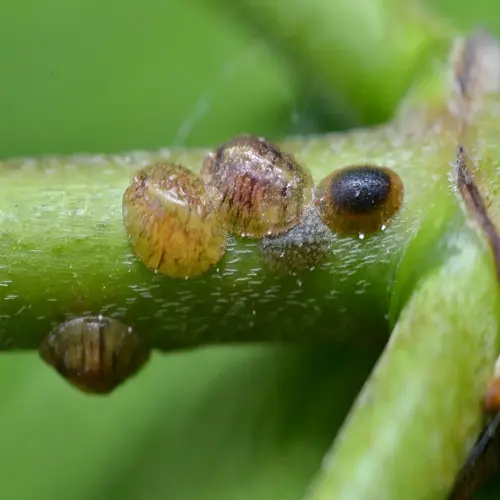

Yes, spider mites infest house plants, but they cannot take over your home itself. These tiny pests only target living plants for food. They cannot live in your walls, carpets, or furniture because they need plant tissue to survive. Your house structure stays safe while your plant collection faces the real risk from these hungry invaders.
I learned about spider mites indoors during a cold January on my windowsill. My heating system had run for weeks straight without a break. One morning my pothos looked dusty and faded with tiny pale dots all over the leaves. Within days, those mites had jumped to four other plants sitting just inches away. That winter taught me how fast these pests spread when warm, dry air fills your home.
These mites depend on plants to stay alive. They cannot survive more than a few days without a plant host to feed on. They use needle-like mouthparts to pierce your plant cells and drain the contents inside. Without living foliage to feed on, adult mites die within three to five days at most. This fact explains why they stick to your plants rather than roaming through your home like ants or roaches would.
Some spots with spider mites in home settings see more trouble than others. Your grouped houseplant collections on shelves create perfect paths for spread. Sunrooms full of plants give mites easy routes between hosts. Bathrooms with potted plants can harbor these pests too. Any space where you keep plants close together becomes a highway for mite travel from one victim to the next.
You might wonder do spider mites spread in house settings from plant to plant. The answer is yes, and they do it in two main ways. Mites crawl along touching leaves with ease since they move fast for their size. They also spin fine silk threads that catch air from your heating vents or fans. A single sick plant can infect your entire shelf within two weeks if you miss the early warning signs.
I had a second run-in with mites when I brought home a new fern from the garden center last spring. It looked healthy at the store and passed my quick check at the register. Two weeks later, three plants near it showed the same pale stippling on their leaves. Now I quarantine every new plant for at least a week before it goes anywhere near my main collection. This simple habit has saved me from several repeat outbreaks since then.
You can stop spread by spacing your plants at least six inches apart from each other. This gap keeps leaves from touching and blocks the crawling route mites prefer. Check every new plant for tiny specks on leaf undersides before you add it to your group. Raise your indoor humidity above 40% in winter since dry air helps mite numbers explode while stressing your plants at the same time.
Your home will never fill with spider mites the way it might with ants or termites. These pests need your plants to live and die without them. Keep your collection safe through proper spacing and regular inspections. Add a humidifier during dry months to make conditions less friendly for mites. These steps keep problems small even when a stray hitchhiker arrives from your local nursery.
Read the full article: Spider Mites on Houseplants: Complete Control Guide