
Yes, plants can recover from root rot, but root rot recovery depends on how far the infection has spread. Catching the problem early gives your plant the best chance of bouncing back to full health.
I've nursed dozens of plants through root rot over the years. Some came back strong within a month while others faded no matter what I tried. The difference almost always came down to how much healthy root tissue remained after trimming away the damage.
My first attempt at saving a fiddle leaf fig taught me hard lessons. The stems looked fine, but every root had turned to mush. I tried for weeks before giving up. Now I check roots at the first sign of trouble instead of waiting.
Plant survival root rot cases need at least 30-50% of the root mass to stay intact and firm. Your plant uses these healthy roots to absorb water and nutrients while growing new ones. Roots form from special tissue at the tips of surviving sections.
Most plants need 4-8 weeks to grow enough new roots. During this window, the plant puts energy into root production instead of leaves. You might see some yellowing or leaf drop during recovery. That's normal as long as stems stay firm.
New White Root Tips
- Timeline: Appear within 3-4 weeks of treatment if recovery is on track and the plant has energy reserves to spare.
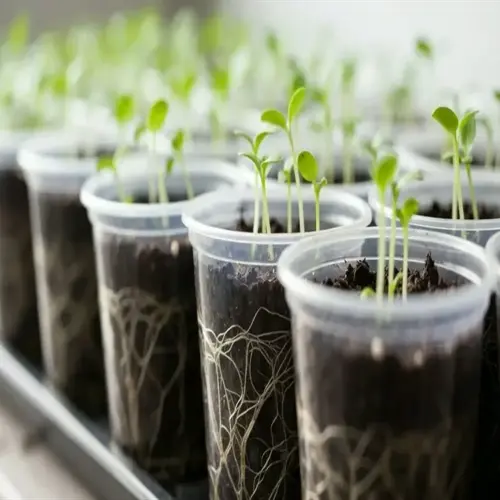
- What to look for: Bright white or cream tips emerging from remaining root sections show active growth and healing.
- Check method: Gently slide the plant from its pot to inspect roots without disturbing them too much.
Stems Stay Firm
- Why it matters: Firm stems mean the vascular system works and the plant can move water from roots to leaves.
- Warning sign: Soft or mushy stem bases suggest rot has spread beyond roots into the crown area.
- Daily check: Squeeze the base of the stem gently each day to catch any softening early.
New Leaf Growth
- Positive indicator: Fresh leaves or unfurling growth points show your plant has energy after root work.
- Expected timing: New foliage usually appears 4-6 weeks after treatment once roots support growth.
- Size matters: Even small new leaves signal recovery while older leaves may still yellow and drop.
Acting fast helps you save plant from dying when root rot strikes. The infection spreads through wet soil at a surprising pace. Pull suspected plants from their pots and inspect the roots as soon as you notice wilting that watering doesn't fix.
If more than half the roots feel mushy or the crown has gone soft, your success rate drops below 20%. At that point, take healthy stem cuttings to propagate instead. Starting fresh beats watching a doomed plant fade for weeks.
Give recovering plants bright indirect light and skip fertilizer until you see active growth. Let the soil dry more than usual between waterings since too much moisture caused the problem. With patience and proper care, many plants bounce back stronger than you'd expect.
Read the full article: How to Treat Root Rot and Save Your Plants