
Cinnamon for root rot has some merit, but it won't cure an active infection on its own. The spice has mild antifungal properties that help protect fresh cuts from new infection. Think of it as a band-aid, not a cure.
I first tried cinnamon on a sick philodendron after reading about it online. I dusted the freshly trimmed roots with powder before repotting. The plant survived and the cuts healed clean. But the cinnamon alone didn't fix the existing damage inside the roots.
The cinnamon antifungal plants science is real. A compound in cinnamon called cinnamaldehyde kills some germs on contact. Studies show it can stop certain fungi from growing. The problem is that ground cinnamon from your kitchen varies a lot in how strong it is.
This natural fungicide houseplants owners love works best on surfaces, not inside tissue. Cinnamon can't penetrate deep into roots where active infections spread. It sits on the outside and protects that layer. Pathogens already inside the root keep growing no matter how much cinnamon you apply.
The best use for cinnamon is protecting fresh wounds during root rot treatment. After you cut away mushy roots, the fresh cuts are open doors for new infection. Dusting them with cinnamon creates a barrier while your plant heals.
Dust Fresh Cuts Only
- Timing matters: Apply cinnamon right after trimming roots while the cut surfaces are still fresh and moist.
- Coverage: Coat the entire cut surface with a thin layer of ground cinnamon using your fingers or a small brush.
- Let it dry: Wait 30-60 minutes for the cinnamon to form a dry seal before you repot your plant.
Use as Part of Treatment
- Not a standalone: Cinnamon works best when you combine it with proper root trimming and fresh soil.
- Skip infected tissue: Cut all mushy roots away first because cinnamon can't save tissue that's already rotting.
- Pair with peroxide: Some gardeners soak in peroxide first, then dust with cinnamon for extra protection.
Know Its Limits
- Won't cure active rot: If infection has spread through the roots, cinnamon alone can't stop it.
- Variable strength: Store bought cinnamon varies in its active compound levels so results differ batch to batch.
- Surface only: The antifungal effect stays on the outside and doesn't reach pathogens inside root tissue.
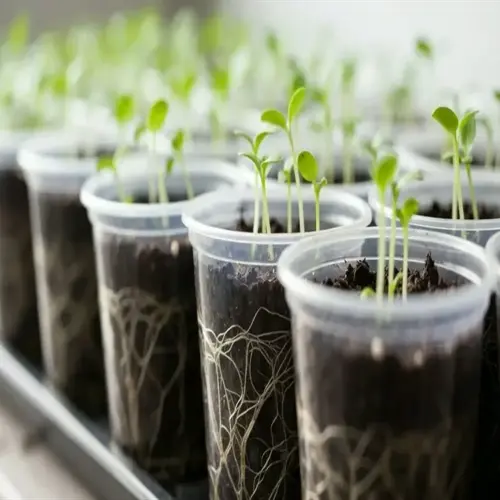
Propagation is another great use for cinnamon. When you take stem cuttings to root in water or soil, dust the cut end with cinnamon first. This helps prevent rot from starting while your cutting develops roots.
I keep a small jar of cinnamon with my plant supplies now. Every time I trim roots or take cuttings, a quick dusting gives my plants extra protection. The cost is pennies and the effort takes seconds.
Don't expect cinnamon to save a badly infected plant. By the time you see symptoms, the disease has spread too far for a kitchen spice to fix. Use cinnamon as one tool in your treatment plan, not as your only defense against root rot.
Read the full article: How to Treat Root Rot and Save Your Plants