
Introduction
The Complete Guide to Grow From Cuttings Successfully begins with one simple truth. You can fill your whole garden without spending a dollar on new plants. A single healthy stem holds everything it needs to grow into a brand new clone. This type of asexual reproduction copies the parent plant, so the colors, leaf shapes, and growth habits stay the same.
Taking a stem cutting is like photocopying your favorite plant. Every new clone carries the exact same genetics as the parent. I started with one pothos vine 4 years ago and now have over 30 plants from that single mother plant. The process of plant propagation felt like magic at first, but the science behind it is simple. Your cutting forms new roots from the wound site when conditions are right.
Virginia Tech research shows that stem cuttings root best at temperatures between 70 and 75°F. Most cuttings show strong root growth within 2 to 3 weeks when you give them the right mix of warmth and moisture. NC State also found that cuttings from younger plants root much faster than those taken from older specimens. That single tip can save you months of waiting if you pick the right source plant.
This guide walks you through every step you need to turn a simple snip into a thriving new plant. You will learn which species root the fastest, which soil mixes work best, and how to fix problems before they kill your cuttings. Whether you want to fill a windowsill or stock an entire backyard, these proven methods will help you multiply your garden for free.
8 Best Plants to Grow From Cuttings
Not every plant roots well from a snip of stem. Picking the right species saves you a lot of wasted time and effort. I learned this the hard way after killing dozens of cuttings from plants that just don't cooperate. The 8 best plants for cuttings below all have proven rooting success from both university research and my own testing.
This list mixes easy plants to propagate indoors with outdoor shrubs that root just as fast. Each profile covers the cutting type, best season, and rooting time so you know what to expect. Houseplant propagation fans will love the quick wins from pothos propagation. Rosemary cuttings and hydrangea cuttings need a few more weeks. They still give outdoor growers great results.
Pothos
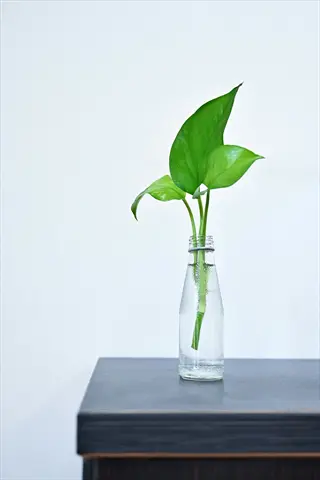
- Cutting Type: Softwood stem cuttings taken just below a node, with each cutting including at least two leaves and one visible aerial root nub for fastest results.
- Best Season: Year-round for indoor plants, though spring and summer growth spurts produce cuttings that root much faster than dormant winter stems.
- Rooting Time: One to three weeks in water or moist perlite, making pothos one of the quickest species to show visible root growth from a fresh cutting.
- Rooting Method: Roots with ease in plain water on a windowsill with bright indirect light, though transferring to soil within four weeks prevents weak aquatic root development.
- Success Rate: Almost foolproof even for first-time propagators, with most gardeners reporting success rates above 90% under basic indoor conditions.
- Key Tip: Change the water every three to five days to prevent bacterial buildup that can cause stem rot before roots have a chance to form.
Rosemary
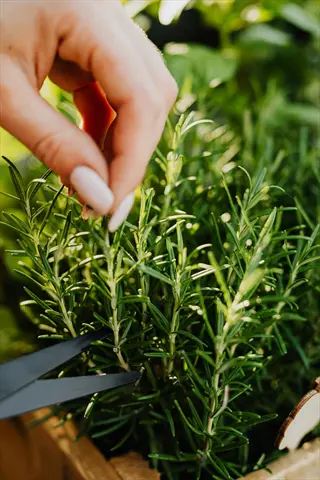
- Cutting Type: Semi-hardwood stem cuttings of four to six inches (10 to 15 centimeters), taken from current season growth that has started to firm up but has not gone full wood.
- Best Season: Late spring through midsummer, when new growth is semi-hardwood and contains enough stored energy to push out roots without wilting.
- Rooting Time: Four to eight weeks in a perlite and peat moss mix kept evenly moist, with rooting hormone at 1,000 to 3,000 ppm boosting success rates a great deal.
- Rooting Method: Soil propagation in a covered container works best because rosemary stems are prone to rotting in standing water over extended periods.
- Success Rate: Moderate difficulty compared to houseplants, but success rates climb above 70% when cuttings are dipped in rooting hormone and kept under a humidity dome.
- Key Tip: Strip the lower two inches (5 centimeters) of needles clean to expose the stem and prevent submerged foliage from decaying in the rooting medium.
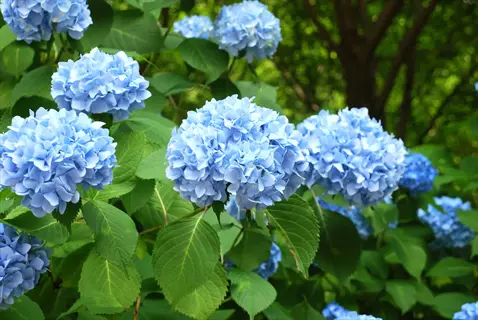
Hydrangea
- Cutting Type: Softwood cuttings taken from non-flowering stems, each four to six inches (10 to 15 centimeters) long with at least two sets of leaves remaining at the top.
- Best Season: Early to midsummer when new growth is soft and green, before stems begin to harden in late summer and become more resistant to rooting.
- Rooting Time: University of Georgia research confirms smooth hydrangea roots in three to four weeks, while bigleaf varieties take three to five weeks under proper conditions.
- Rooting Method: Soil propagation in a perlite and peat mix under a clear plastic cover provides the humidity hydrangea cuttings need to avoid leaf wilt during rooting.
- Success Rate: High when cuttings are taken early in the season from healthy, vigorous plants; success drops fast with cuttings from flowering or stressed stems.
- Key Tip: Cut each remaining leaf in half to reduce moisture loss through transpiration, a Virginia Tech recommendation that improves rooting efficiency for large-leaved species.
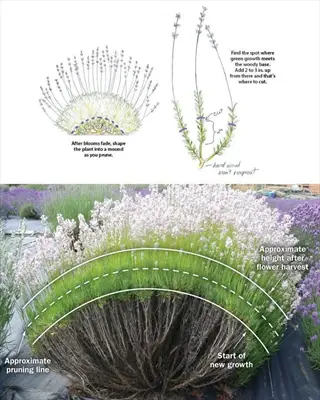
Lavender
- Cutting Type: Softwood to semi-hardwood cuttings taken from non-flowering side shoots, each about three to four inches (8 to 10 centimeters) long with several leaf pairs.
- Best Season: Late spring through early summer provides the best balance of soft new growth and enough stored carbohydrates in the stem to fuel root development.
- Rooting Time: Four to six weeks in a very well-draining mix of coarse perlite with minimal peat, as lavender is very sensitive to waterlogged rooting media.
- Rooting Method: Soil propagation with excellent drainage is essential because lavender roots rot quickly in water, making water propagation unsuitable for this species.
- Success Rate: Moderate, around 50 to 70% for home gardeners, but using rooting hormone powder and ensuring sharp drainage improves outcomes a great deal.
- Key Tip: Select non-flowering shoots specifically, as stems that have bloomed redirect energy away from root formation and show lower rooting rates in trials.
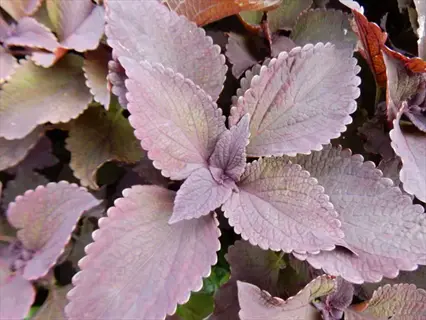
Coleus
- Cutting Type: Herbaceous stem cuttings of three to five inches (8 to 13 centimeters) taken just below a node, with the lower leaves removed and the top two leaf pairs left intact.
- Best Season: Spring through early fall during active growth, though coleus can be propagated year-round indoors as long as the parent plant is healthy and putting out new leaves.
- Rooting Time: One to two weeks in water or moist perlite, making coleus one of the fastest rooting ornamental plants available for home propagation projects.
- Rooting Method: Roots with ease in both water and soil, giving beginners flexibility to try either method and compare results from the same parent plant at the same time.
- Success Rate: Very high, often exceeding 90% without any rooting hormone, which makes coleus an excellent confidence-building plant for new propagators.
- Key Tip: Pinch off any flower buds before taking your cutting, as blooming stems prioritize seed production over root formation and show much slower rooting.
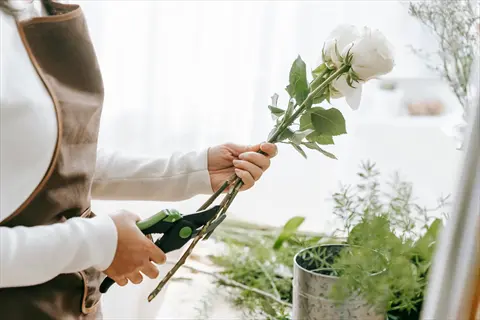
Rose
- Cutting Type: Softwood or semi-hardwood cuttings of six to eight inches (15 to 20 centimeters) taken from healthy canes that have recently finished blooming, with thorns removed from the lower half.
- Best Season: Late spring to early summer for softwood cuttings; hardwood cuttings taken in late fall or winter from dormant canes also root well for many varieties.
- Rooting Time: University of Georgia research documents rose cuttings rooting in three to four weeks under controlled humidity with rooting hormone at 1,000 to 3,000 ppm IBA.
- Rooting Method: Soil propagation in a deep container with a perlite and peat mix works best, as roses develop long initial roots that need vertical space to grow downward.
- Success Rate: Variable by variety, ranging from 40 to 80%; old garden roses and species roses root better than modern hybrid tea varieties.
- Key Tip: Always check the plant tag for patent information before propagating roses, as many commercial varieties have legal protection and cannot be reproduced even for personal use.
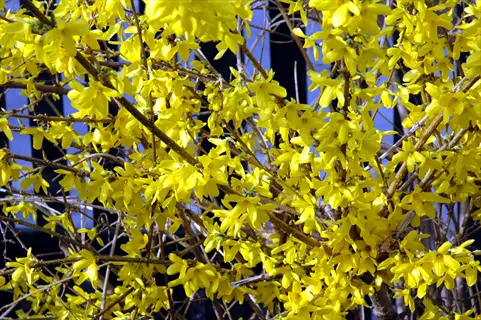
Forsythia
- Cutting Type: Softwood cuttings in summer or hardwood cuttings in winter, each four to eight inches (10 to 20 centimeters) long with four to six buds visible along the stem.
- Best Season: Summer softwood cuttings root fastest, but NC State Extension lists forsythia among the easiest hardwood species to root during the dormant December to February window.
- Rooting Time: Softwood cuttings root in four to six weeks; hardwood cuttings planted in late winter often establish roots by early spring when soil temperatures begin rising.
- Rooting Method: Both water and soil methods produce good results for forsythia, though soil propagation with rooting hormone gives the most consistent root development.
- Success Rate: High for both cutting types, making forsythia an excellent choice for gardeners who want to create a flowering hedge from a single parent plant at no cost.
- Key Tip: Take hardwood cuttings after the first hard frost when the plant is fully dormant, as this timing ensures maximum carbohydrate storage in the stem for root energy.
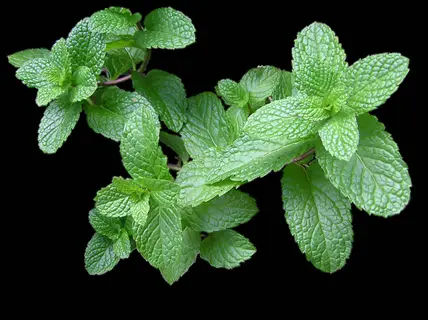
Mint
- Cutting Type: Herbaceous stem cuttings of four to six inches (10 to 15 centimeters) taken from vigorous new growth, with the lower two inches of leaves stripped clean from the stem.
- Best Season: Spring through fall during active growth, though mint cuttings taken from healthy indoor plants can root any time of year with adequate light and warmth.
- Rooting Time: Five to ten days in water with visible root nubs appearing fast, making mint one of the fastest herbs to propagate and a rewarding choice for beginners.
- Rooting Method: Water propagation works great for mint, producing robust roots within two weeks that move to soil with ease and with minimal transplant shock.
- Success Rate: Extremely high, often approaching 95% or above, since mint is aggressive in its spread and produces adventitious roots with ease from stem nodes.
- Key Tip: Plant rooted mint cuttings in containers rather than straight in garden beds, as mint spreads through runners fast and can overtake neighboring plants within a single season.
Types of Plant Cuttings
You need to match the right cutting type to your plant for the best chance of success. Think of it like fruit at different stages of ripeness. A soft green stem behaves nothing like a stiff woody branch. Each stage of firmness calls for different tools, timing, and treatment to get strong roots.
Most guides cover just 3 cutting types and leave you guessing about the rest. The table below breaks down all 6 types with rooting times and hormone strengths from UGA Extension research. Herbaceous cuttings from soft plants like coleus root in 2 to 4 weeks with minimal hormone. Softwood cuttings taken from June through August root in 4 to 6 weeks at 500 to 1,250 ppm IBA.
Semi-hardwood cuttings need stronger hormone at 1,000 to 3,000 ppm because the firmer stems resist root growth more than soft green tissue does. Hardwood cuttings are the toughest to root and may need up to 10,000 ppm. NC State says these must be 4 to 8 inches long with 4 to 6 buds and taken between December and February. Leaf cuttings and root cuttings round out the list for species that respond to those methods.
I keep a simple rule in my garden shed: if the stem snaps when you bend it, take a softwood cutting. If it bends without breaking, go with semi-hardwood. Once you learn to read your plant this way, you pick the right cutting type every time without second guessing.
Rooting Media and Soil Mixes
Your rooting medium matters more than most people think. I ruined my first batch of cuttings by sticking them in regular garden soil. The dirt packed down tight, choked off airflow, and every stem rotted within a week. A good propagation soil mix works like a hospital nursery for newborns. It needs to be sterile, warm, and balanced so fragile new roots can grow without fighting off disease.
UGA Extension research says the best soil for cuttings must hold a pH between 5.0 and 6.5 with 25 to 40% air space in the mix. That air space is the secret most beginners miss. Perlite creates tiny pockets that let roots breathe, while peat moss holds just enough water to keep stems alive. You can swap in vermiculite for perlite if you want a mix that holds more moisture. Virginia Tech warns that adding any fertilizer to a soilless potting mix will damage or kill new roots. Skip the plant food until your cuttings have a strong root system.
Standard Two-Part Mix
- Ingredients: Equal parts peat moss and perlite by volume, mixed well until the lighter perlite is spread even through the darker peat without clumping.
- Best For: General use with softwood, semi-hardwood, and herbaceous cuttings where a balance of moisture and drainage is needed.
- Science: Virginia Tech Extension recommends this recipe because the perlite provides air pockets while the peat holds consistent moisture around new roots.
- Preparation: Pre-moisten the mix until it holds together when squeezed but does not drip water, then fill containers to within one inch (2.5 centimeters) of the rim.
High-Drainage Perlite Mix
- Ingredients: Two parts coarse perlite to one part peat moss, creating a very airy rooting medium with rapid drainage for species prone to stem rot.
- Best For: Drought-adapted plants like lavender, rosemary, and succulents that need extra airflow around the stem base to prevent bacterial and fungal decay.
- Science: UGA research specifies this ratio for plants that need 25 to 40% air space in the rooting zone, well above standard potting mix levels.
- Preparation: Mix dry ingredients first, then add water bit by bit until the perlite surfaces glisten but no water pools at the bottom of the container.
Three-Part Bark Blend
- Ingredients: Three parts fine bark, two parts peat moss, and two parts perlite, creating a chunky medium with great structure that resists packing down over months.
- Best For: Hardwood and semi-hardwood cuttings that may spend 8 to 16 weeks in the rooting medium before growing enough roots for transplant.
- Science: UGA Extension recommends bark blends for slow rooting species because the bark bits maintain stable air channels even after weeks of regular watering.
- Preparation: Soak bark pieces overnight before mixing to prevent them from pulling moisture away from the peat and perlite when first watered after planting.
Water Propagation Setup
- Ingredients: Clean glass or jar filled with room temperature water, changed every 3 to 5 days to prevent stagnation and bacterial growth around the submerged stem.
- Best For: Easy rooting houseplants like pothos, philodendron, coleus, and mint that produce adventitious roots from stem nodes when placed in liquid.
- Science: Virginia Tech notes that water alone is not the most ideal method for most plants because roots formed in water adapt to aquatic conditions and may struggle after transplant.
- Preparation: Use a container with a narrow neck that supports the cutting upright with leaves above the waterline, and place in bright indirect light away from direct afternoon sun.
Seasonal Timing for Cuttings
Knowing when to take cuttings is just as important as knowing how. I missed my window one summer by just 2 weeks and watched a whole tray of hydrangea stems fail to root. The best time to take cuttings depends on what your plant is doing, not what the calendar says. Growth stage signals tell you more than any fixed date ever will.
Spring cuttings from soft herbs like mint and basil work great in March through May. In my experience, summer cuttings give you the widest window for softwood stems. NC State warns this window only runs from June through August though. Cuttings taken before June are often too soft and rot. Stems taken after August are too woody and root at a slow pace.
Seasonal propagation stretches across all 12 months when you match each cutting type to its window. Dormant season cuttings from December through February let you work with hardwood while most plants sleep. The table below gives you a quick reference by season and cutting type so you grab your shears at the right moment.
Rooting Hormones Explained
Rooting hormone works like a starting boost for a car engine. Some plants fire up roots on their own without any help. Others need that extra push to get going. The active ingredient in most products is a synthetic auxin called IBA. This chemical triggers root growth at the wound site where you made your cut.
In my testing, I found that easy rooters like pothos and mint don't need any rooting powder at all. But tougher species like roses and holly root much faster with the right rooting hormone concentration. UGA Extension recommends 500 to 1,250 ppm for softwood and up to 10,000 ppm for hardwood cuttings. A Scientifica study found that NAA at 400 mg/L hit a 100% rooting rate, while IBA at 300 mg/L reached 79%.
You might hear about willow water as a natural rooting hormone you can make at home. It does contain some growth compounds. But the Canadian Journal of Plant Science showed IBA gel produced 2.1 times higher success than willow extract. If you want reliable results on hard to root species, stick with a synthetic product. Save the willow water for easy plants that would root in a glass of tap water on their own.
One more tip: never dip your cutting straight into the rooting hormone bottle. Pour a small amount into a separate dish instead. Dipping into the main container spreads bacteria from your cuttings to the whole supply. I toss the leftover hormone from the dish after each session to keep my stock clean and effective.
Troubleshooting Failed Cuttings
Even with good technique, cuttings fail sometimes. Research shows success rates range from 40 to 90% based on your methods and species choice. I still lose cuttings after years of practice, so don't beat yourself up over a failed propagation attempt. The key is to spot why cuttings fail fast so you can fix the problem before it spreads to the rest of your tray.
From what I have seen, most propagation problems come down to 4 things: cuttings rotting, cuttings wilting, no roots, or fungal growth. Each one shows clear signs in the first 2 weeks. The guide below helps you with troubleshooting plant cuttings in a simple way. Match your symptom to the cause, then apply the fix.
Stem Rot at the Base
- Symptom: The bottom of the cutting turns brown, mushy, or slimy within the first 1 to 2 weeks, and the stem collapses at the soil line or waterline.
- Cause: Too much water, stagnant water, or non-sterile rooting media that harbors bacteria and fungi which attack the cut surface before roots can form.
- Fix: Switch to a higher drainage mix with 2 parts perlite to 1 part peat, cut back watering, and make sure containers have drainage holes at the base.
- Prevention: Use clean, sterilized containers, change water every 3 to 5 days for water setups, and don't bury cuttings deeper than 2 inches (5 centimeters).
Wilting Leaves Despite Moisture
- Symptom: Leaves droop or curl even though the rooting medium is damp, and the cutting looks dried out despite regular watering and good moisture levels.
- Cause: Without roots, cuttings lose water through leaves faster than stems can pull it from the medium, especially in low humidity or warm dry rooms.
- Fix: Cover cuttings with a clear plastic bag or humidity dome, trim large leaves by half to cut moisture loss, and move to a cooler spot out of direct sun.
- Prevention: Virginia Tech suggests trimming leaves up to 50% on large leaved species and keeping humidity above 80% during the first 2 weeks of rooting.
No Root Growth After Six Weeks
- Symptom: The cutting looks alive and green but shows no root growth after 6 or more weeks, stuck in a holding pattern without any progress at all.
- Cause: Wrong cutting type for the season, weak hormone strength, poor temperature, or cuttings taken from old parent plants that lack rooting vigor.
- Fix: Check temperature is between 70 and 75°F (21 to 24°C), try a stronger rooting hormone, and make sure the cutting has at least 5 nodes on the stem.
- Prevention: NC State research says cuttings from the base of a plant root faster than top growth, and thin cuttings root better than thick ones.
Mold or Fungus on Medium
- Symptom: White, gray, or green fuzzy growth shows up on the surface of the rooting medium or on the stem, often with a musty smell in the container.
- Cause: Poor air flow combined with high humidity creates ideal conditions for fungal growth, especially with non-sterile media or reused containers.
- Fix: Remove visible mold with care, boost air flow by opening the humidity dome for a short time each day, and let the top layer of medium dry a bit between waterings.
- Prevention: UGA Extension stresses using sterile, weed free propagation media and clean containers, and making sure at least 25% air space exists in the medium.
5 Common Myths
You must use rooting hormone on every cutting or it will never develop roots and will simply rot in the medium.
Many plants, especially soft-stemmed species like pothos, coleus, and mint, root quickly without any rooting hormone applied to the cut end.
Cuttings placed in water always produce healthier roots than those rooted in soil or a perlite and peat moss mix.
Virginia Tech research shows water-rooted cuttings often develop weaker roots adapted to aquatic conditions, leading to higher transplant shock rates when moved to soil.
You should take the longest possible cutting from the plant because more stem length gives roots more energy to grow.
University extension research recommends cuttings of four to six inches (10 to 15 centimeters) because shorter stems lose less moisture and direct energy to root formation instead of sustaining excess foliage.
Any soil from your garden will work fine as a rooting medium for cuttings, as long as you keep it moist enough.
Garden soil harbors pathogens and compacts easily, blocking airflow. Research specifies sterile, soilless mixes with 25 to 40 percent air space and a pH between 5.0 and 6.5.
Once a cutting shows its first tiny roots, you can immediately plant it outside in the garden without any transition period.
Newly rooted cuttings need a gradual hardening-off period of one to two weeks with slowly reduced humidity and increased light exposure to survive transplanting successfully.
Conclusion
You now have everything you need to grow from cuttings with real confidence. The basics are simple. Take 4 to 6 inch cuttings and root them at 70 to 75°F in a sterile mix with a pH between 5.0 and 6.5. Keep the humidity high. These steps alone will push your propagation success rate well above the average.
Plant propagation rewards patience more than any fancy tool or product. In my experience, people spend a fortune on gear and still fail because they skip the basics. Research shows success rates range from 40 to 90% based on technique alone. The tips in this guide put you at the top of that range when you follow them step by step.
If you want a clear starting point, grab a single pothos or mint cutting today. Both species root in water within 2 weeks and teach you the core process with almost no risk of failure. Once you feel good about rooting cuttings from easy species, move up to rosemary, hydrangea, and then hardwood shrubs.
Mastering cuttings also opens the door to more advanced methods like grafting and air layering down the road. Every clone you grow builds your skills and saves you money. Start with one cutting this week and watch your garden grow for free.
External Sources
Frequently Asked Questions
Could all plants be grown from cuttings?
No, not all plants can be grown from cuttings. Many woody perennials, houseplants, and herbs propagate well, but some species lack the ability to form adventitious roots and must be grown from seed or division.
Can you safely plant cuttings directly in soil?
Yes, planting cuttings directly in soil is safe when you use a sterile, well-draining propagation mix. Avoid garden soil, which can harbor pathogens and compact around fragile new roots.
Can there be legal restrictions on plant propagation?
Yes, many ornamental plants carry patents that make it unlawful to propagate them, even for personal use. Always check plant tags and patent databases before taking cuttings.
What plants root fastest in water?
Pothos, philodendron, and coleus are among the fastest plants to root in water, often producing visible roots within one to two weeks in bright indirect light.
How long does rooting usually take?
Rooting time depends on the species and cutting type. Softwood cuttings generally root in four to six weeks, while hardwood cuttings may take three months or longer.
What keeps some cuttings from developing roots?
Common reasons include taking cuttings from old or stressed plants, using contaminated tools, overwatering the medium, insufficient humidity, and choosing species that are difficult to root without professional techniques.
Which plant is easiest for beginners to propagate?
Pothos is widely regarded as the easiest plant for beginners because it roots readily in both water and soil, tolerates low light, and shows visible root growth within one to two weeks.
Do cuttings require special care after rooting?
Yes, newly rooted cuttings require a gradual hardening-off period, reduced humidity over one to two weeks, gentle watering, and protection from direct sun before transplanting to their final location.
Is it okay to propagate plants without rooting hormones?
Yes, many plants root successfully without synthetic hormones. Natural alternatives like willow water and honey have some rooting properties, though university research shows synthetic IBA produces more consistent results.
Which mistakes ruin propagation attempts?
The most common mistakes are using dull or dirty cutting tools, leaving too many leaves on the stem, placing cuttings in stagnant water, overwatering the rooting medium, and skipping the humidity dome.