
Introduction
Your winter vegetable garden can produce fresh food from November through April. Most gardeners pack up their tools after the first frost and miss out on months of fresh harvests in their own backyard.
I spent 8 years testing cold-hardy vegetables in my Zone 6 garden. Penn State Extension research confirms what I found in my own beds. Low tunnels extend your season by 4 to 8 weeks. Cold frames add 5 to 20 degrees Fahrenheit of frost protection.
Cool-season vegetables act like cold weather athletes. They perform better when temps drop. Kale and spinach taste sweeter after frost because they turn starches into sugars. The 2023 USDA zone map shifted half the country warmer. This means more gardeners can grow frost-tolerant crops through winter now.
This guide shows you how to harvest fresh vegetables when snow covers the ground. You will learn which crops thrive in cold weather and exactly when to plant for winter success.
Best Winter Vegetables to Grow
These 12 winter vegetables have proven themselves in my garden year after year. I grouped them by cold tolerance so you can match crops to your climate fast. SDSU Extension confirms Brussels sprouts survive below 24 degrees Fahrenheit. Root crops like carrots and beets get sweeter when soil drops below 40 degrees Fahrenheit.
The cold-hardy crops below include kale, spinach, lettuce, Swiss chard, garlic, and onions. Each one handles frost without needing much fuss. Year round local food movements pushed many farmers markets to extend their seasons. You can do the same in your backyard.
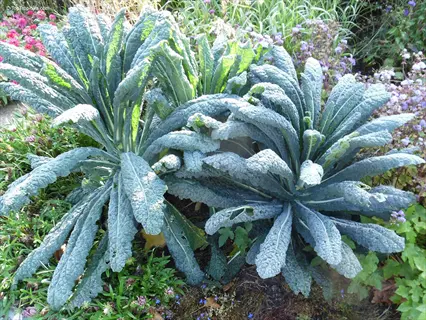
Kale
- Cold Hardiness: Survives temperatures down to 24 degrees Fahrenheit (minus 4 degrees Celsius) making it one of the most cold-tolerant garden vegetables available to home growers.
- Flavor Improvement: Develops significantly sweeter taste after frost exposure as the plant converts starches to sugars, creating natural antifreeze in the leaves.
- Harvest Method: Pick outer leaves first while allowing center growth to continue, providing continuous harvests throughout the entire winter season.
- Growing Conditions: Prefers full sun but tolerates partial shade in winter, needs well-draining soil enriched with compost for best leaf production.
- Variety Selection: Winterbor and Red Russian varieties show exceptional cold tolerance, while Lacinato dinosaur kale offers unique texture and flavor.
- Nutritional Value: Provides excellent source of vitamins A, C, and K along with calcium and antioxidants that support immune health during cold months.
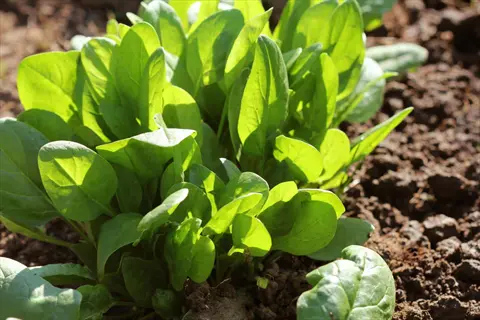
Spinach
- Cold Hardiness: Tolerates temperatures down to 28 degrees Fahrenheit (minus 2 degrees Celsius) and often survives lower with mulch or row cover protection.
- Nutritional Powerhouse: Boiled spinach provides 573 micrograms vitamin A per half-cup serving, delivering 229% of daily recommended intake for adults.
- Winter Sweetening: Leaves become noticeably sweeter and more tender after exposure to cold temperatures, improving both flavor and texture quality.
- Planting Timing: Sow seeds in late summer for fall and winter harvest, as spinach prefers cooler soil temperatures for germination and growth.
- Variety Recommendation: Winter Bloomsdale spinach specifically bred for cold tolerance performs exceptionally well in cold frame and low tunnel environments.
- Harvest Technique: Cut leaves individually or harvest entire rosette, with plants often regrowing for multiple harvests when temperatures remain above freezing.
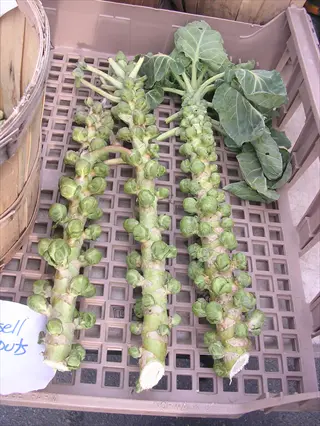
Brussels Sprouts
- Cold Hardiness: Among the most cold-tolerant vegetables, surviving temperatures below 24 degrees Fahrenheit (minus 4 degrees Celsius) without protection needed.
- Flavor Enhancement: Extension sources confirm Brussels sprouts often taste best after a light freeze, developing sweeter and less bitter flavor notes.
- Long Growing Season: Requires 90 to 110 days to mature, meaning seeds should be started by mid-July for late fall and winter harvest.
- Harvest Method: Pick sprouts from the bottom of the stalk first as they mature, working upward throughout the season for extended harvest period.
- Growing Requirements: Needs consistent moisture and fertile soil high in nitrogen, benefits from staking in windy locations to support tall stalks.
- Storage Potential: Stalks with attached sprouts store for weeks in cold conditions, and sprouts left on plants in the garden remain fresh longest.
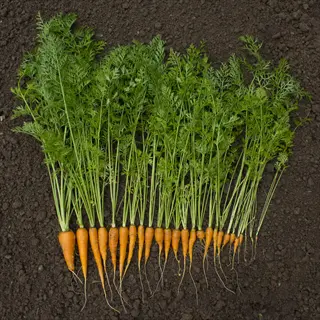
Carrots
- Cold Hardiness: Tolerates temperatures down to 28 degrees Fahrenheit (minus 2 degrees Celsius) and can remain in ground all winter under heavy mulch.
- Winter Sweetening: Root crops develop significantly more sugars when soil temperature drops below 40 degrees Fahrenheit (4 degrees Celsius) according to extension research.
- In-Ground Storage: Leave carrots in the garden under 6 to 12 inches (15 to 30 centimeters) of straw mulch for fresh harvest throughout winter months.
- Variety Selection: Scarlet Nantes and Napoli varieties recommended by Penn State Extension for exceptional cold tolerance and winter growing performance.
- Planting Timeline: Sow seeds by mid-August for winter harvest, as carrots need 60 to 80 days to reach mature size before growth slows.
- Flavor Profile: Winter-harvested carrots taste dramatically sweeter than summer carrots, with some gardeners considering them a completely different vegetable.
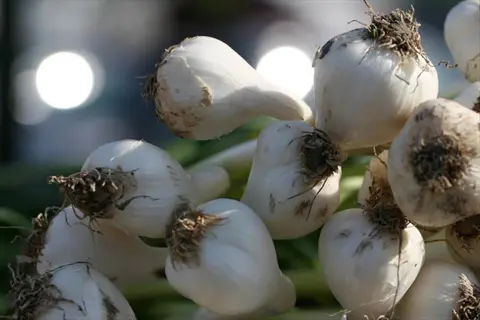
Garlic
- Planting Timing: Plant individual cloves in October or November, 4 to 6 weeks before ground freezes, for harvest the following summer season.
- Cold Requirement: Garlic actually requires winter cold exposure for proper bulb development, making it an ideal crop for cold climate gardens.
- Heavy Frost Tolerance: Survives temperatures well below 28 degrees Fahrenheit (minus 2 degrees Celsius), with green shoots often emerging through snow in spring.
- Soil Preparation: Needs loose, well-draining soil amended with compost, planted 2 inches (5 centimeters) deep with pointed end facing upward.
- Mulching Benefits: Apply 4 to 6 inches (10 to 15 centimeters) of straw mulch after planting to insulate cloves and suppress early spring weeds.
- Variety Types: Hardneck varieties perform better in cold climates and produce edible scapes in spring, while softneck types store longer after harvest.
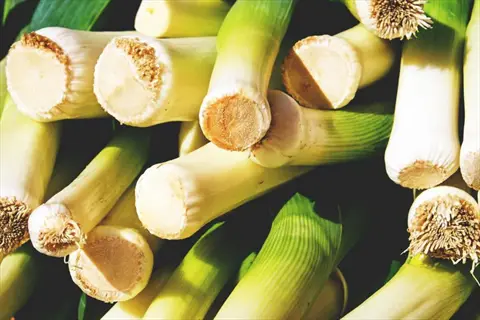
Leeks
- Exceptional Hardiness: Bleu de Solaise variety survives temperatures down to 0 degrees Fahrenheit (minus 18 degrees Celsius) according to Penn State Extension research.
- Extended Harvest: Remain harvestable in the garden throughout winter, providing fresh allium flavor when onions and scallions are unavailable.
- Growing Requirements: Requires long growing season of 100 to 120 days, meaning transplants should go in ground by late spring for winter harvest.
- Blanching Technique: Hill soil around stems as plants grow to create longer white portions, which have milder flavor than green leaf sections.
- Culinary Versatility: Adds mild onion flavor to soups, stews, and roasted dishes, becoming more tender and sweet after frost exposure.
- Storage Method: Leave in ground until needed or store harvested leeks in refrigerator for several weeks wrapped in damp paper towels.
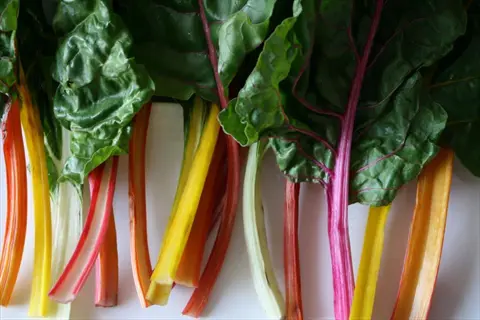
Swiss Chard
- Cold Tolerance: Withstands light frosts between 28 and 32 degrees Fahrenheit (minus 2 to 0 degrees Celsius), with colorful stems adding winter garden interest.
- Continuous Harvest: Cut outer leaves while allowing center growth to continue, providing months of harvests from single planting through late fall.
- Color Varieties: Rainbow chard offers red, yellow, orange, and pink stems that remain vibrant even in cold weather and brighten winter dishes.
- Growing Conditions: Prefers fertile soil with consistent moisture, tolerates partial shade better than most vegetables during shorter winter days.
- Nutritional Benefits: Provides excellent source of vitamins A, C, and K, along with magnesium and potassium important for winter health support.
- Protection Needs: Benefits from row cover or cold frame protection in zones where temperatures regularly drop below 25 degrees Fahrenheit (minus 4 degrees Celsius).
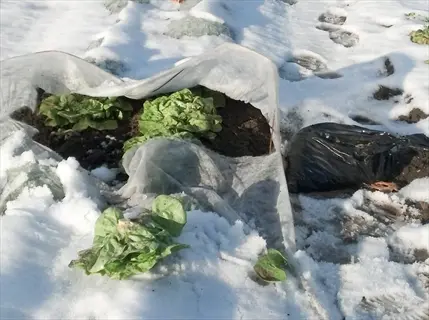
Lettuce
- Frost Tolerance: Tolerates light frosts between 28 and 32 degrees Fahrenheit (minus 2 to 0 degrees Celsius), making it suitable for cold frame growing.
- Quick Maturity: Most varieties ready to harvest in 45 to 60 days, allowing late summer planting for fall and early winter salad harvests.
- Variety Selection: Winter Density and Arctic King varieties specifically bred for cold tolerance outperform summer lettuces in winter conditions.
- Protection Requirements: Needs cold frame or row cover protection to extend harvest past hard freezes, as leaves become damaged by repeated freezing.
- Growing Method: Sow seeds every 2 to 3 weeks for continuous harvest, spacing plants 6 to 8 inches (15 to 20 centimeters) apart.
- Harvest Timing: Pick leaves in late morning after frost melts but before afternoon warmth, as frozen leaves are fragile and damage easily.
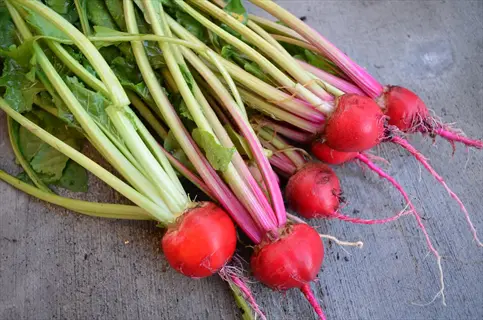
Beets
- Cold Hardiness: Tolerate light frosts down to 28 degrees Fahrenheit (minus 2 degrees Celsius) and develop sweeter flavor after cold exposure.
- Dual Harvest: Both roots and greens are edible, with nutritious beet greens providing bonus harvest while roots continue developing underground.
- Winter Sweetening: Like carrots, beet roots convert starches to sugars in cold soil, creating dramatically sweeter flavor than summer-harvested beets.
- Planting Timeline: Sow seeds by mid-August for winter harvest, as beets require 55 to 70 days to reach mature size before growth slows.
- Storage Options: Leave in ground under mulch for fresh harvest, or store harvested roots in cold, humid conditions for several months.
- Variety Recommendation: Bulls Blood beet noted for exceptional cold hardiness, with deep red leaves that remain attractive throughout winter months.
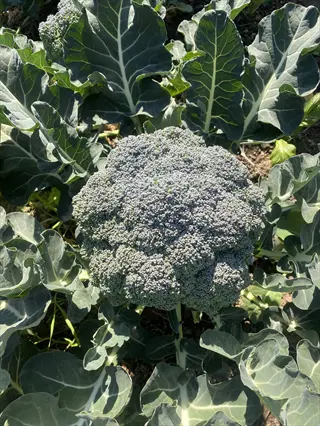
Broccoli
- Cold Tolerance: Survives temperatures down to 24 degrees Fahrenheit (minus 4 degrees Celsius) with mature heads, classified as heavy frost tolerant.
- Nutritional Highlight: One serving weekly linked to reduced prostate cancer progression, containing cancer-fighting glucosinolates at high concentrations.
- Harvest Timing: Cut main head while florets are tight and before yellow flowers appear, then continue harvesting smaller side shoots for weeks.
- Growing Requirements: Needs rich soil with consistent moisture, benefits from side-dressing with nitrogen fertilizer during active head formation.
- Planting Timeline: Transplant seedlings by mid-August for fall harvest, as broccoli requires 60 to 80 days from transplant to mature head.
- Protection Benefits: Cold frame or row cover extends harvest period and protects developing heads from damage during sudden temperature drops.
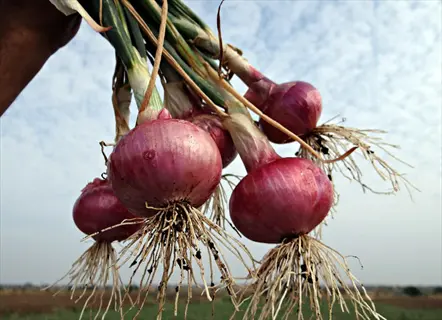
Onions
- Cold Hardiness: Heavy frost tolerance allows survival below 28 degrees Fahrenheit (minus 2 degrees Celsius), with some varieties overwintering for spring harvest.
- Planting Options: Plant overwintering onion sets in fall for early summer harvest, or start seeds indoors for traditional spring planting approach.
- Nutritional Value: Red onions contain approximately 1350 micrograms per gram total flavonols compared to just 10 micrograms in white varieties.
- Variety Selection: Choose short-day varieties for southern regions and long-day types for northern climates to ensure proper bulb development.
- Growing Conditions: Needs full sun and well-draining soil, with consistent moisture during bulb development but drier conditions before harvest.
- Storage Duration: Properly cured onions store 3 to 6 months in cool, dry conditions, providing fresh allium flavor throughout winter season.
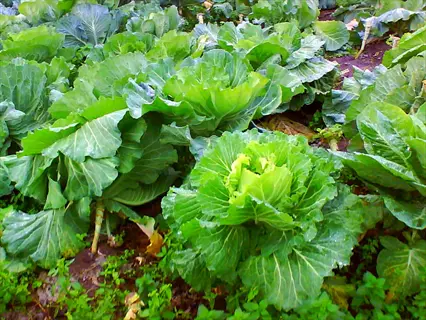
Collards
- Exceptional Hardiness: Survives temperatures below 24 degrees Fahrenheit (minus 4 degrees Celsius), often remaining harvestable after other greens have frozen.
- Flavor Improvement: Like other brassicas, collard leaves become sweeter and more tender after frost exposure, reducing natural bitterness significantly.
- Harvest Method: Pick lower leaves first while allowing top growth to continue, or harvest entire plant when full-sized heads are desired.
- Growing Requirements: Tolerates wider range of soil conditions than most brassicas, though rich soil produces largest and most tender leaves.
- Nutritional Benefits: Excellent source of calcium, vitamin K, and fiber, with cooking releasing nutrients more effectively than raw consumption.
- Cultural Tradition: Southern gardening tradition emphasizes collards as essential winter crop, with flavor considered best after multiple hard frosts.
Pick 3 or 4 crops from this list if you are new to winter gardening. Start with kale and spinach since they forgive mistakes better than most. Add carrots or beets for root vegetables that sweeten in cold soil all winter long.
Cold Hardiness and Frost Tolerance
Cold hardiness and frost tolerance decide which vegetables live through winter. SDSU Extension splits crops into 3 groups. You have heavy frost tolerant, light frost tolerant, and those with no frost tolerance at all.
I watched my cold-tolerant vegetables make their own antifreeze when temps dropped in my garden. Plants convert starches into sugars that lower the freezing point in their cells. This works like salt on icy roads. Winter sweetening is why your kale and carrots taste sweeter after a freeze.
Freeze damage happens when ice crystals form inside plant cells and burst the walls. Your onions, broccoli, and turnips handle heavy frost below 28 degrees Fahrenheit just fine. Tender crops like beans, corn, and squash suffer damage at light frost between 28 and 32 degrees Fahrenheit.
Season Extension Methods
Season extension tools let you harvest fresh vegetables weeks past when your neighbors give up. I tested every method from cheap floating row covers to fancy cold frames over the years. Penn State Extension confirms low tunnels add 4 to 8 weeks to your growing season.
Your choice depends on your budget, how cold your winters get, and how much space you have. Cold frames work great for small beds. Hoop tunnels cover more ground. Frost protection can be as simple as a sheet of fabric draped over your crops.
Cold Frames
- Temperature Benefit: Increases temperature inside by 5 to 10 degrees Fahrenheit (2.8 to 5.6 degrees Celsius), with potential increases up to 20 degrees Fahrenheit (11 degrees Celsius) warmer than outside air according to Iowa State Extension research.
- Construction Details: Build using bottomless raised box with clear covering, optimal dimensions being 3 feet (91 centimeters) deep maximum with 12 inches (30 centimeters) front height and 18 inches (46 centimeters) back height for proper angle.
- Placement Requirements: Position facing south for maximum sunlight exposure, against building wall for added thermal mass and wind protection in colder climates.
- Ventilation Needs: Open lid when internal temperature rises above 85 degrees Fahrenheit (29 degrees Celsius) to prevent heat damage, using automatic vent openers or manual monitoring.
- Best Crops: Excellent for lettuce, spinach, radishes, kale, and other leafy greens that tolerate cool temperatures but need protection from hard freezes.
- Cost Considerations: DIY cold frames cost 20 to 50 dollars using recycled windows and lumber, while commercial versions range from 100 to 300 dollars depending on size.
Low Tunnels
- Season Extension: Extends growing season by 4 to 8 weeks according to Penn State Extension, making them valuable for both fall and spring shoulder seasons.
- Structure Dimensions: Typically 4 feet (122 centimeters) tall and 3 to 6 feet (91 to 183 centimeters) wide, designed to cover single or double garden rows effectively.
- Construction Options: Build using PVC pipes over rebar stakes, pre-bent metal hoops, or livestock panels cut and bent to desired shape for durability.
- Covering Materials: Use row cover fabric for frost protection and pest exclusion, or clear plastic for maximum heat retention during coldest weather periods.
- Temperature Protection: Row covers provide protection down to 24 to 28 degrees Fahrenheit (minus 4 to minus 2 degrees Celsius) depending on fabric weight.
- Flexibility Advantage: Easy to install, remove, and reposition as needed, making them ideal for gardeners who rotate crops or adjust protection seasonally.
Row Covers
- Material Options: Lightweight polyester or polypropylene fabrics ranging from 0.45 to 2.2 ounces per square yard (15 to 75 grams per square meter) in varying thicknesses.
- Temperature Protection: Lightweight covers provide approximately 2 degrees Fahrenheit (1 degree Celsius) frost protection, while heavy-weight covers offer 6 to 10 degrees Fahrenheit (3 to 5.5 degrees Celsius) protection.
- Pest Exclusion: Effectively blocks aphids, flea beetles, cabbage maggots, and cucumber beetles while allowing water and light to penetrate fabric weave.
- Application Method: Drape directly over plants or support with wire hoops, securing edges with soil, rocks, or landscape staples to prevent wind displacement.
- Brand Options: Common brands include Reemay, Agronet, Agribon, Agryl, and Harvest Guard with varying weights and light transmission properties available.
- Multiple Layer Benefit: Adding second layer of row cover provides greater cold resistance for severe weather events, easily doubled over existing single layer.
Mulching
- Root Protection: Heavy straw or leaf mulch 6 to 12 inches (15 to 30 centimeters) deep insulates soil and root vegetables from freezing while keeping soil accessible for harvest.
- In-Ground Storage: Allows carrots, beets, parsnips, and other root crops to remain in garden throughout winter, providing fresh harvest on demand.
- Material Options: Straw, leaves, hay, or wood chips all provide insulation, with straw preferred for easy removal when harvesting vegetables.
- Application Timing: Apply after several light frosts but before ground freezes solid, allowing soil to cool gradually while preventing deep freeze damage.
- Temperature Moderation: Keeps soil temperature more stable, protecting roots from damaging freeze-thaw cycles that can cause cracking and rot.
- Cost Advantage: Often free or very inexpensive using fallen leaves or straw bales, making it most accessible protection method for budget gardeners.
Start with floating row covers if you are on a tight budget. They cost under 20 dollars and protect your crops from light frost. Add a cold frame next winter once you see how well season extension works in your garden.
Planting Timeline for Winter Harvest
Your planting timeline matters more than anything else for winter harvest success. I missed my first year of Brussels sprouts because I planted too late. They need 90 to 110 days to mature. That means seeds go in the ground by early July at the latest.
Work backward from your first frost date to build your planting schedule. Penn State Extension says Brussels sprouts need to be in by July 10. Lettuce can wait until July 25. Beets and broccoli give you until August 15. Radishes are your last chance at September 10 before fall planting season ends.
Days to maturity on seed packets assume spring conditions with long days. Fall planting takes longer because daylight hours drop fast. Add 2 to 3 weeks to those numbers for a more accurate harvest timing in autumn.
Succession planting gives you fresh greens all winter instead of one big harvest that goes bad fast. Sow lettuce and radishes every 2 weeks through September. You will have something ready to pick every week from October through December.
Container Winter Gardening
A container vegetable garden lets you grow winter crops on your balcony, patio, or even indoors. I grew kale and lettuce through apartment gardening on my balcony for 3 winters before I had a yard. You just need the right containers and a sunny spot to make it work.
Winter container gardening fits urban spaces and small patios. Your patio vegetables need at least 6 hours of sun each day. South facing spots give you the best light during short winter days.
Container Selection
- Size Requirements: Use containers at least 12 inches (30 centimeters) deep for most vegetables, with 5-gallon (19-liter) minimum for larger crops like kale and Swiss chard.
- Drainage Essentials: Ensure multiple drainage holes in container bottom, adding layer of gravel or broken pottery to prevent soil from blocking drainage openings.
- Material Options: Plastic containers retain moisture longer than terra cotta, which dries quickly but provides better insulation against temperature swings.
- Insulation Strategy: Wrap containers with bubble wrap or burlap in coldest weather to protect roots from freeze damage that container plants experience more severely.
- Mobility Advantage: Place containers on wheeled platforms for easy movement to sheltered locations during severe weather or to maximize sun exposure.
- Grouping Benefits: Cluster containers together during cold spells to create microclimate that moderates temperature extremes and reduces wind exposure.
Soil and Fertilizing
- Potting Mix Choice: Use high-quality potting soil rather than garden soil, which compacts in containers and drains poorly, reducing root health and growth.
- Nutrient Management: Container plants require more frequent fertilizing than ground-planted vegetables since nutrients leach out with each watering cycle.
- Feeding Schedule: Apply balanced liquid fertilizer every 2 to 3 weeks during active growth, reducing to monthly applications as winter slows plant metabolism.
- Moisture Retention: Add vermiculite or perlite to potting mix for improved water retention while maintaining good drainage and preventing waterlogged soil.
- Soil Warming: Dark-colored containers absorb more heat, warming soil faster on sunny winter days and benefiting cold-sensitive root systems.
- Annual Refresh: Replace or refresh potting soil annually, adding fresh compost and slow-release fertilizer to maintain fertility for new plantings.
Location and Light
- Sunlight Needs: Position containers to receive minimum 4 to 6 hours direct sunlight daily, with south-facing locations providing best winter sun exposure.
- Mature Plant Tolerance: Mature winter vegetables tolerate minimal light better than seedlings, with established plants maintaining through shorter winter days.
- Building Shelter: Place containers against south-facing walls that reflect heat and provide wind protection during winter storms and cold snaps.
- Indoor Option: Move containers indoors near bright windows during extreme cold, returning outside when temperatures moderate above freezing.
- Rotate Regularly: Turn containers weekly to ensure even light exposure on all sides, preventing lopsided growth toward light source.
- Supplemental Lighting: Consider grow lights for indoor growing, providing 12 to 14 hours of artificial light for vegetables that need more than windows provide.
Best Container Vegetables
- Leafy Greens: Kale, lettuce, spinach, and Swiss chard thrive in containers because they have short root systems and compact growth habits suited to limited space.
- Root Vegetables: Radishes and short-variety carrots grow well in deeper containers, providing satisfying root harvests from balcony or patio gardens.
- Brassica Options: Compact broccoli and cabbage varieties developed specifically for container growing produce reasonable harvests in 5-gallon (19-liter) containers.
- Herb Companions: Parsley, cilantro, and chives overwinter well in containers, providing fresh herbs alongside vegetable harvests throughout cold months.
- Avoid These Crops: Brussels sprouts, full-size cabbage, and sprawling squash require more space than containers reasonably provide for worthwhile harvests.
- Succession Strategy: Plant lettuce and radishes in succession every 2 to 3 weeks for continuous harvest rather than single large planting that matures simultaneously.
Start with 2 or 3 large containers and see how your space works for winter growing. Kale and lettuce forgive beginner mistakes better than most crops. You can expand your balcony garden next season once you know what thrives.
Nutrition Benefits of Winter Vegetables
Winter vegetables nutrition goes beyond just having fresh food on your plate. These crops pack serious health benefits that store bought produce from far away can not match. I grow my own winter vegetables for the nutritional value as much as the taste.
Harvard research found that each extra serving of vegetables cuts heart disease death risk by 4%. My energy levels rose when I ate more kale and broccoli from my garden. Cruciferous vegetables like these fight cancer cells. Growing nutrient-dense vegetables at home means eating them at peak vitamin content.
Red onions contain 1350 micrograms of flavonols per gram. White onions have just 10 micrograms. That is 135 times more antioxidants in every bite. Small choices in which varieties you grow make huge differences in what your body gets.
5 Common Myths
You cannot grow vegetables in winter because the cold kills all plants and nothing will survive frost or freezing temperatures outdoors.
Many vegetables thrive in cold weather, with crops like kale, spinach, and Brussels sprouts surviving temperatures as low as 24 degrees Fahrenheit (minus 4 degrees Celsius) and actually developing better flavor after frost.
Winter gardening requires expensive heated greenhouses or elaborate structures that most home gardeners cannot afford or build themselves.
Simple cold frames built from recycled windows or basic row covers costing under 20 dollars provide 5 to 20 degrees Fahrenheit (2.8 to 11 degrees Celsius) of frost protection for successful winter harvests.
You must wait until spring to plant anything since seeds will not germinate in cold soil and transplants will die from frost exposure.
Many cold-hardy seeds germinate in soil temperatures as low as 40 degrees Fahrenheit (4 degrees Celsius), and fall-planted crops like garlic actually require winter cold to develop properly.
Winter vegetables are less nutritious than summer vegetables because reduced sunlight and cold temperatures prevent proper nutrient development in the plants.
Winter vegetables are often more nutrient-dense, with spinach providing 229 percent of daily vitamin A needs and cruciferous vegetables containing cancer-fighting glucosinolates at peak levels during cold weather.
You need to water winter vegetables constantly just like summer crops since the soil dries out equally fast regardless of temperature or season.
Winter gardens require significantly less watering because lower temperatures reduce evaporation, plants grow slower, and natural precipitation typically provides adequate moisture for most cold-season crops.
Conclusion
Your winter vegetable garden can give you fresh food from November through April. You just need the right cold-hardy vegetables and some basic frost protection to make it happen. I now harvest more in winter than I ever did before I learned these methods.
Frost-tolerant crops like kale and spinach taste better after cold hits them. Season extension tools like row covers and cold frames push your harvest even further into the cold months. Year-round gardening is possible in most zones with the right planning.
Start with kale and spinach next season if you are new to winter growing. These crops forgive beginner mistakes and survive hard frosts without much help. Add carrots and beets the following year once you see how well cold crops work in your garden.
Start planning your winter vegetable garden in summer so you hit those planting deadlines. Winter gardening means fewer pests and less watering for you. Store vegetables travel thousands of miles while yours grow steps from your door. Your backyard can feed you all year with the right plan.
External Sources
Frequently Asked Questions
Which vegetable is best to grow in winter?
Kale is often considered the best winter vegetable due to its exceptional cold hardiness, surviving temperatures down to 24 degrees Fahrenheit (minus 4 degrees Celsius) and developing sweeter flavor after frost.
When should I start winter vegetables?
Start long-season winter vegetables like Brussels sprouts by mid-July, medium-season crops like broccoli by mid-August, and quick crops like radishes by early September for winter harvest.
What is the quickest vegetable to grow in winter?
Radishes are the fastest winter vegetable, maturing in 25 to 30 days, followed by lettuce varieties that mature in 45 to 60 days.
When to cover vegetables for frost?
Cover vegetables when temperatures are forecast to drop below 32 degrees Fahrenheit (0 degrees Celsius) for tender crops, or below 28 degrees Fahrenheit (minus 2 degrees Celsius) for frost-tolerant varieties.
Should I leave dead plants in the garden over winter?
Remove diseased plants to prevent pathogen spread, but healthy dead plants can remain as winter mulch or be incorporated into compost for soil improvement.
Can I put new soil on top of old soil?
Yes, adding new compost or aged soil on top of old garden soil improves fertility and structure, typically adding 2 to 4 inches (5 to 10 centimeters) each season works well.
How do I prepare my vegetable garden for winter harvests?
Prepare by harvesting mature crops, planting garlic and overwintering onions, installing cold frames or row covers, and sowing quick-maturing greens for late fall harvest.
How do I protect winter vegetables from heavy snow?
Use sturdy cold frames or reinforced low tunnels that can withstand snow weight, brush off heavy accumulations, and choose low-growing crops that survive burial.
Can winter vegetables grow in shade?
Winter vegetables tolerate partial shade better than summer crops since cooler temperatures reduce stress, though they still need 4 to 6 hours of direct sunlight daily.
Why do winter vegetables taste sweeter after frost?
Cold temperatures trigger plants to convert starches into sugars as a natural antifreeze mechanism, making root vegetables and leafy greens noticeably sweeter after frost exposure.