
There is no national list of months not to fertilize a lawn, and any page that hands you one is guessing at your climate. UF/IFAS Extension ties the decision to active growth instead of a date. Feed the grass only while it is growing, which means a lawn that has not yet needed two mowings is not ready for its first feeding of the year. That single test replaces the calendar for most yards.
Roots pull nitrogen out of the soil only while the plant is working. Once the lawn browns off and goes dormant, that stops. Dormant lawn fertilizer is not taken up by the roots at all, so the extra runs off. You waste money and send nitrogen toward the groundwater. Buy a bag, spread it on brown turf, and you have paid to feed the storm drain.
The mowing test works because it asks nothing of you except your eyes. You do not need to know your soil, your grass type, or your average frost date. Grass that grows enough to need cutting twice is grass that can use nitrogen, and grass that has sat unchanged for weeks cannot, whatever the bag says about early spring. Growth is the signal. The month is only a rough guess at when growth shows up.
North Florida shows how far the dates can drift. The first feeding there generally lands in April, but April is the backup answer and the second mowing is the real one. The last feeding should come no later than mid-September, since the grass starts heading toward dormancy after that. A bag spread in late October lands on turf that has already clocked out.
Farther north the emphasis flips. In Maryland most lawn fertilizer belongs in autumn, and that preference for fall lawn feeding is one reason spring weed-and-feed is not recommended there. Timing also carries legal weight in that state. Putting nitrogen down at the wrong time, or above the allowed rate, can violate Maryland's lawn fertilizer law.
Dormant
The lawn is brown and holding still. Feed nothing. Nitrogen spread now runs off instead of reaching roots.
Early green-up
Color is coming back but growth is slow. Keep waiting. Centipedegrass should not be fed until full green-up.
After two mowings
You have had to cut the grass twice. This is the cue for the first feeding, generally April in North Florida.
Late season
Growth slows as dormancy gets close. North Florida lawns get their last feeding by mid-September.
Centipedegrass deserves its own warning. It should not be fertilized until full green-up, and by the time it gets there, the window for a spring preemergent has generally closed. So you end up picking one. Protect the preemergent and feed the lawn once it is fully green, because a weed problem lasts all season while a late first feeding costs you nothing.
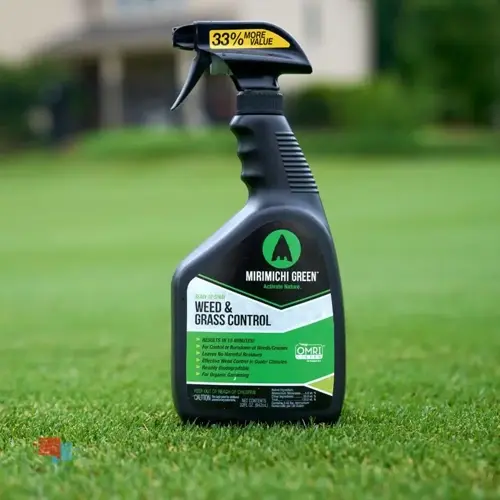
These products lock nitrogen and herbicide to the same date, and those two jobs rarely want the same week. Buy them separately so you can time each one to the lawn.
Check your own state's rules before the first bag goes down. Some states write fertilizer timing and rates into law, so guessing costs more than a wasted bag of product. Your county extension office publishes the local dates for free, and those dates beat anything printed on a national label.
Then build your own schedule from the grass rather than the month. Count your mowings in spring and hold the first feeding until you have cut the lawn twice. Mark your region's last safe feeding date in your phone and stop there. And skip any application that would land on brown, dormant turf, whatever week of the year it falls in.
Read the full article: Weed and Feed: When It Works and When It Fails