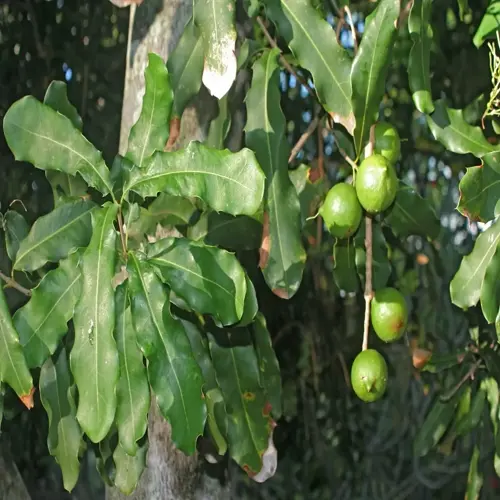

The best time to prune mango trees is right after harvest ends, before the next flowering cycle starts. This timing lets you shape the tree, control its size, and improve air flow through the canopy. Smart pruning keeps your mango at a height where you can reach the fruit.
Knowing when to prune mango trees matters because bad timing can cost you fruit. Pruning too late removes the branch tips where flowers form. Mangoes bloom on terminal growth at the ends of branches. Cut these off in winter or spring and you lose that season's fruit. Stick to the post-harvest window and you avoid this problem.
I pruned my first mango tree at the wrong time and learned this lesson the hard way. I cut it back in late winter thinking I was helping it prepare for spring growth. That tree made zero fruit that year while my neighbor's unpruned tree produced a huge crop. Now I never touch my pruners until the last mango falls off the tree.
This mango tree pruning guide covers the cuts you need to make. Use clean sharp pruners or loppers for small branches. Make cuts at a 45-degree angle about a quarter inch above a leaf node or branch collar. Angled cuts shed water and help the wound heal fast. Never leave long stubs that can rot and invite disease into the tree.
Start by cutting out dead or damaged wood. Then remove crossing branches that rub together. Take out water sprouts that shoot straight up. Also cut any growth pointing toward the center of the tree. These cuts improve light and air flow without removing fruiting wood. Take off no more than 25-30% of the canopy in a single year. Heavy pruning shocks the tree and delays fruiting.
Tropical Permaculture suggests light pruning each year to keep your mango at a workable height. Trees pruned this way stay around 10-12 feet tall instead of their natural 40-60 feet. You can reach more fruit this way. The tree also makes better quality mangoes with more sunlight hitting each branch.
Clean your tools with rubbing alcohol or a bleach solution between trees and after cutting out any diseased wood. This stops you from spreading fungal or bacterial problems through your orchard. Container mangoes need even lighter pruning since their root space limits how much top growth they can support. Focus on shape and airflow rather than size control with potted trees. Your mango will reward good pruning with bigger fruit and easier harvests for years to come.
Read the full article: Growing a Mango Tree From Seed in 5 Steps