
Introduction
Fig tree growing links you to one of the oldest fruit traditions on earth. Farmers grew figs 5000 to 7000 years ago in the lands around the Mediterranean Sea. Today you can bring that same harvest to your backyard with very little effort.
I started growing fig trees in my home orchard about 8 years ago after tasting a fresh fig from a neighbor's tree. That single bite changed everything. Store bought figs taste nothing like fruit picked ripe from your own tree. A mature fig tree produces 180 to 360 fruits each year, so one tree keeps you supplied all season long.
Learning how to grow figs ranks among the easiest fruit cultivation projects you can take on. Fig trees thrive in USDA zones 7 through 10 without much fuss. Cold hardy types like Chicago Hardy push growing fig trees into zones 5 and 6. You don't need a warm climate to enjoy fresh figs anymore.
This guide covers everything you need for success with your fig trees. You will learn which varieties work best for your zone and how to plant them the right way. We also cover pruning basics and the best methods for harvesting ripe fruit. Let's get your fig trees started on the right path.
Fig Tree Care Essentials
Fig tree care proves much simpler than most fruit trees once you understand the basics. I made every mistake in the book during my first 2 years with figs. The biggest lesson I learned is that too much care hurts more than too little. These drought tolerant figs prefer a bit of neglect over constant pampering.
Your fig tree watering schedule changes based on the tree's age and where you planted it. New trees need regular fig tree irrigation while they set roots. Once established, your figs can handle weeks without water. The soil pH for figs works best between 5.5 and 6.5 to keep your tree healthy and productive.
Fertilizing fig trees requires a light touch. Fig tree fertilizer with too much nitrogen pushes leaf growth at the expense of fruit. I use a balanced formula and apply it just once or twice per year. Meeting the fig tree soil requirements for drainage matters more than fancy feeding schedules.
Watering Requirements
- Establishment Phase: Water newly planted trees deeply once per week, providing 1 to 2 gallons (3.8 to 7.6 liters) per inch of trunk diameter each watering session.
- Mature Tree Needs: Established fig trees are drought-tolerant and typically need supplemental water only during extended dry periods exceeding 3 to 4 weeks.
- Container Growing: Container figs require more frequent watering, often every 2 to 3 days during hot weather, as limited soil volume dries quickly.
- Fruit Development: Provide consistent moisture during fruit ripening from July through September to prevent fruit drop and splitting while maintaining flavor quality.
Soil and pH Management
- Ideal pH Range: Fig trees prefer slightly acidic to neutral soil with pH between 5.5 and 6.5, tolerating up to 8.0 but struggling in highly alkaline conditions.
- Drainage Priority: Well-draining soil is essential as fig roots are susceptible to rot, amend heavy clay with sand or plant in raised beds for improved drainage.
- Organic Matter: Incorporate compost annually around the drip line to improve soil structure, water retention, and nutrient availability without direct root disturbance.
- Mulching Benefits: Maintain 3 to 4 inch (7.5 to 10 centimeter) organic mulch layer to regulate soil temperature, conserve moisture, and suppress competing weeds.
Fertilizing Guidelines
- Timing Schedule: Apply balanced fertilizer in early spring as buds begin swelling, with optional second application in early summer for vigorous growth.
- NPK Ratios: Use balanced formulations like 10-10-10 or slightly higher potassium ratios like 10-4-12 to promote fruiting over excessive vegetative growth.
- Application Rate: Apply 1 pound (0.45 kilograms) of fertilizer per year of tree age up to 10 pounds (4.5 kilograms) maximum, spread evenly under canopy.
- Over-fertilizing Warning: Excessive nitrogen produces abundant leaves but reduces fruit production, so err on the side of less fertilizer rather than more.
Seasonal Care Calendar
- Spring Tasks: Remove winter protection, apply balanced fertilizer, renew mulch layer, and inspect for winter damage requiring pruning attention.
- Summer Focus: Monitor watering during dry spells, watch for pest activity, and enjoy early breba crop harvest if your variety produces one.
- Fall Activities: Harvest main crop through frost, reduce watering as leaves drop, and begin winter preparation in colder zones before hard freezes.
- Winter Protection: In zones 7 and below, wrap trees after leaf drop or move container figs to protected locations before temperatures drop below 25°F (-4°C).
Best Fig Tree Varieties
Picking the right fig varieties makes or breaks your growing success. I grow 4 different types in my yard and each one has a distinct personality. Your climate zone narrows down the options, but flavor and growth habit should guide your final choice among the best fig trees for home gardens.
Cold hardy figs like the Chicago Hardy fig and Brown Turkey fig top most lists for northern growers. Rutgers Extension ranks these two plus the Celeste fig as the most reliable picks for zones 6 through 8. Southern growers can branch out into the Black Mission fig and Kadota fig without worrying about winter damage.
Dwarf fig trees work great for container growing and small spaces. The Little Miss Figgy variety stays compact while still producing full sized fruit. All the options below grow well in home gardens.
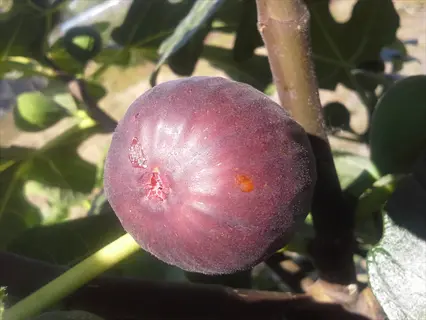
Chicago Hardy Fig
- Cold Tolerance: Survives winter temperatures down to -10°F (-23°C) above ground and -20°F (-29°C) at root level, making it ideal for zones 5 through 10.
- Fruit Character: Produces medium sized purple brown figs with sweet, rich flavor and dense pink flesh that ripens reliably even in shorter growing seasons.
- Growth Habit: Grows as a multi stemmed shrub reaching 10 to 15 feet (3 to 4.5 meters) tall, often dying back to roots in cold winters but regrowing each spring.
- Harvest Period: Bears fruit on current season growth, ensuring crops even after winter dieback, with main harvest from late August through October.
- Best Use: Excellent fresh eating fig with honey like sweetness, also ideal for preserves and drying due to concentrated flavor profile.
- Beginner Rating: Top choice for first time fig growers in northern climates due to forgiving nature and reliable production despite challenging conditions.
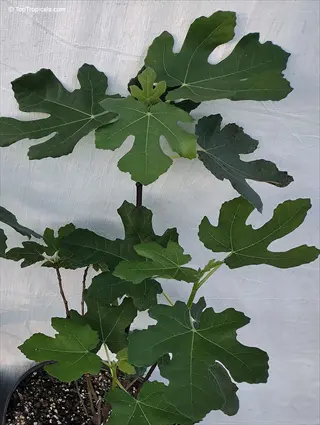
Brown Turkey Fig
- Cold Tolerance: Hardy to zones 7 through 10, surviving temperatures down to 10°F (-12°C) with established root systems and winter protection.
- Fruit Character: Large brownish purple figs with light pink flesh, mild sweet flavor, and fewer seeds than other varieties creating smooth eating experience.
- Growth Habit: Vigorous grower reaching 15 to 25 feet (4.5 to 7.6 meters) tall and wide, responds well to pruning for size control and increased fruit production.
- Harvest Period: Produces both breba crop in early summer on previous year wood and main crop in late summer on current growth, extending harvest season.
- Best Use: Versatile fig excellent for fresh eating, grilling, salads, and cooking applications due to mild flavor that pairs well with savory ingredients.
- Beginner Rating: Highly recommended for beginners due to adaptability, consistent yields, and tolerance of various soil conditions and minor neglect.
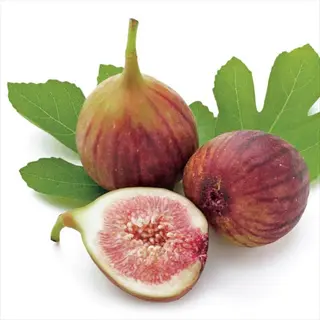
Celeste Fig
- Cold Tolerance: Reliable in zones 7 through 10, tolerating temperatures to 15°F (-9°C) and recovering quickly from cold damage.
- Fruit Character: Small to medium violet bronze figs with exceptionally sweet rose colored flesh, often called the sugar fig for intense sweetness.
- Growth Habit: Compact growth reaching 10 to 15 feet (3 to 4.5 meters), making it suitable for smaller gardens and easier to protect in marginal climates.
- Harvest Period: Produces single heavy main crop from July through August, with fruit that resists splitting and spoilage better than other varieties.
- Best Use: Premium fresh eating fig considered by many to have the finest flavor, also excellent for preserves where sweetness can be featured.
- Beginner Rating: Outstanding choice for southern gardeners seeking reliable production with minimal pest issues and exceptional fruit quality.
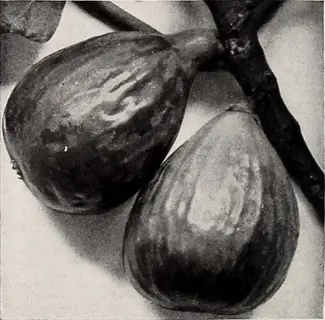
Black Mission Fig
- Cold Tolerance: Best suited for zones 8 through 10, requiring protection below 20°F (-7°C) and struggling in northern climates.
- Fruit Character: Distinctive deep purple black skin with strawberry red flesh, complex sweet flavor with berry and honey notes, considered gourmet variety.
- Growth Habit: Large vigorous tree reaching 15 to 30 feet (4.5 to 9 meters), requires ample space and regular pruning to maintain manageable size.
- Harvest Period: Heavy producer with breba and main crops, main harvest from August through October in ideal conditions with extended warm seasons.
- Best Use: Highly prized for drying due to concentrated rich flavor, also exceptional fresh and featured in fine dining and specialty recipes.
- Beginner Rating: Better suited for experienced growers or those in warm climates due to specific requirements and sensitivity to cold damage.
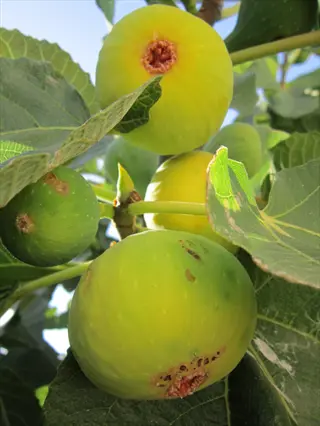
Kadota Fig
- Cold Tolerance: Grows well in zones 7 through 10, handling temperatures to 10°F (-12°C) with established plants and protection.
- Fruit Character: Unique yellow green skin with amber flesh, mild honey sweet flavor less intense than darker varieties, virtually seedless texture.
- Growth Habit: Moderate growth to 15 to 20 feet (4.5 to 6 meters), adaptable to various training methods including espalier against sunny walls.
- Harvest Period: Reliable main crop producer from August through September, fruit holds well on tree allowing flexible harvest timing.
- Best Use: Traditional canning and preserving fig due to beautiful color retention, also excellent dried and for commercial production.
- Beginner Rating: Good choice for gardeners wanting variety beyond purple figs, requires slightly more attention to watering than hardier types.
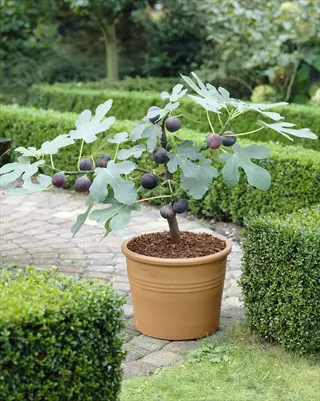
Little Miss Figgy
- Cold Tolerance: Dwarf variety hardy in zones 7 through 10, compact size makes winter protection practical even in cooler regions.
- Fruit Character: Produces full sized dark purple figs despite compact plant size, sweet flavor comparable to standard varieties with good production.
- Growth Habit: Reaches only 4 to 6 feet (1.2 to 1.8 meters) tall and wide, perfect for container growing, small gardens, and patio cultivation.
- Harvest Period: Bears fruit on current season growth, producing reliable crops from late summer through fall even in first or second year.
- Best Use: Ideal ornamental edible for patios, balconies, and small urban spaces where full sized trees are impractical but fresh figs desired.
- Beginner Rating: Excellent starter fig for apartment dwellers, container gardeners, and those with limited space wanting to grow figs.
Climate and Hardiness Zones
Knowing your fig tree zones helps you pick the right variety and protection plan. USDA zones for figs range from zones 5 to 11 based on the variety you choose. Most figs prefer the warmth of zones 7 through 10, but cold hardy figs extend that range north.
I think of fig tree hardiness like insulation in your home. The roots stay protected underground even when air temps drop low. But branches stick out exposed like unprotected pipes. Temps below 20°F (-7°C) can kill wood above ground on most varieties.
Growing figs in cold climates means you need winter hardy fig varieties and extra protection. In my experience, wrapping trees each fall before temps drop below 15°F (-9°C) saves them from damage. The table below shows which varieties match your zone and what care they need.
Planting Your Fig Tree
Planting fig trees the right way gives your tree the best possible start for years of fruit production. I tested many spots in my yard before finding what works. The location and soil prep matter more than most people think when transplanting fig trees.
Fig tree site selection starts with finding a spot that gets 6 to 8 hours of direct sun each day. Where to plant fig trees matters most in cold zones. A south facing wall reflects heat and blocks winter wind. Well-draining soil keeps roots healthy since figs hate wet feet.
When to plant fig trees depends on your climate zone. Spring works best in cold zones after frost danger passes. Fall planting works well in zones 8 and warmer. Proper fig tree spacing means leaving 15 to 20 feet between trees since roots can spread up to 50 feet from the trunk.
Choose the Right Location
- Sunlight: Select a spot receiving 6 to 8 hours of direct sunlight daily, with morning sun being particularly beneficial for drying dew and preventing fungal issues.
- Wind Protection: Position trees near buildings, fences, or windbreaks to shield from cold winter winds, especially important in zones 7 and below for survival.
- Space Planning: Allow 15 to 20 feet (4.5 to 6 meters) between trees and structures, accounting for the mature spread of 10 to 30 feet (3 to 9 meters).
- Drainage Assessment: Avoid low-lying areas where water collects, as fig roots are susceptible to rot in waterlogged conditions despite drought tolerance.
Prepare the Soil Properly
- Soil Testing: Test soil pH before planting, aiming for 5.5 to 6.5 with tolerance up to 8.0, amending with sulfur if too alkaline or lime if too acidic.
- Drainage Improvement: Mix coarse sand or perlite into heavy clay soils at a ratio of one part amendment to two parts native soil for adequate drainage.
- Organic Matter: Incorporate 2 to 4 inches (5 to 10 centimeters) of compost into the planting area to improve soil structure and nutrient availability.
- Hole Preparation: Dig a hole twice the width of the root ball and equal depth, loosening soil at the bottom to encourage outward root growth.
Plant at Correct Depth
- Root Ball Position: Set the tree so the root flare sits at or slightly above soil level, never burying the trunk which promotes rot and disease.
- Backfill Method: Fill hole with native soil mixed with compost, tamping gently every few inches to eliminate air pockets around roots.
- Watering Basin: Create a low basin around the tree to direct water toward roots, extending to the drip line as the tree gets established.
- Initial Watering: Soak thoroughly after planting until water pools in the basin, then allow to drain completely before applying mulch layer.
Apply Mulch and Establish Care
- Mulch Layer: Apply 3 to 4 inches (7.5 to 10 centimeters) of organic mulch such as wood chips or straw, keeping material 3 inches (7.5 centimeters) away from trunk.
- Establishment Watering: Water deeply once per week for the first growing season, allowing soil to dry slightly between waterings to encourage deep root development.
- First Year Expectations: Focus on root establishment rather than fruit production, removing any fruit that forms to direct energy into structural growth.
- Protection Measures: Install temporary fencing if deer are present, as young fig trees are attractive to browsers and vulnerable to damage.
Pruning and Training
Fig tree pruning confuses many growers because these trees break the normal rules. Figs fruit on both old and new wood, so you need to know what you want before you start cutting. I lost an entire breba crop my second year because I pruned too hard in late winter.
Learning how to prune fig trees starts with deciding your goal. Do you want more fruit, a smaller tree, or just basic maintenance? When to prune figs depends on your answer. Training fig trees takes a few seasons, but the fig tree shape you build early sets up years of easy harvests.
Fig tree fan training and espalier fig tree methods work great for small spaces. You can train branches flat against a sunny wall to save room in your yard. The heat from the wall also helps ripen fruit faster. Check the guide below for specific techniques that match your goals.
Basic Maintenance Pruning
- Timing: Perform maintenance pruning in late winter while trees are dormant, after coldest weather passes but before spring growth begins in your area.
- Dead Wood Removal: Cut out any branches killed by winter cold, identified by brittle texture, dark interior, and failure to show green when scratched.
- Crossing Branches: Remove branches that rub against others to prevent wounds that invite disease, selecting the weaker or poorly positioned branch to remove.
- Sucker Control: Trim suckers growing from the base unless training as multi stemmed shrub, as suckers steal energy from fruit producing branches.
Production-Focused Pruning
- Crop Types: Main crop develops on current season growth while breba crop forms on previous year branches, so heavy pruning eliminates breba harvest.
- Thinning Cuts: Remove entire branches back to their origin point to open canopy for light and air flow, improving fruit quality and ripening.
- Heading Cuts: Shorten branch tips by one third in late winter to encourage branching and more fruiting wood for increased main crop production.
- Pinching Technique: Pinch growing tips in early summer when shoots reach 5 to 6 leaves to promote lateral branching and concentrate energy into existing fruit.
Size Control Methods
- Annual Height Reduction: Cut back to desired height each winter, knowing this sacrifices some breba crop but maintains manageable tree size.
- Root Restriction: Plant in containers or buried barriers to limit root spread, which restricts tree size and can increase fruit production.
- Espalier Training: Train branches flat against a sunny wall in fan or horizontal patterns, saving space while maximizing heat exposure for better ripening.
- Container Management: Prune container figs more to maintain proportional top growth to root volume, repotting or root pruning every 2 to 3 years.
Rejuvenation Pruning
- When Needed: Consider rejuvenation for neglected trees with sparse interior growth, declining production, or overgrown size exceeding available space.
- Hard Cutback Method: Cut entire tree to 1 to 2 feet (30 to 60 centimeters) from ground in late winter, sacrificing one to two years of fruit for renewed vigor.
- Staged Approach: Remove one third of oldest stems each year for three years, maintaining some production while renewing the entire framework.
- Recovery Timeline: Expect vigorous regrowth following rejuvenation with fruit production resuming in one to two years on new wood.
Harvesting and Storage
Harvesting figs at the right moment makes all the difference between good fruit and great fruit. I wasted dozens of figs my first season by picking too early. Knowing when to harvest figs takes practice, but the fig ripeness indicators below will speed up your learning.
The breba crop comes first in early summer on last year's wood. Your main crop follows from August through October on current season growth. A mature tree gives you 180 to 360 figs each year. Learning how to harvest figs without damaging them keeps your fruit in perfect shape.
Storing figs requires quick action since fresh figs last just 2 to 3 days at room temp. You can extend that window with proper cooling or turn your harvest into dried treats that last months. Drying figs and preserving figs lets you enjoy your harvest all winter long.
Recognizing Ripe Figs
- Color Change: Ripe figs display full variety color, whether deep purple, brown, green yellow, or black, with no green tinges remaining on skin.
- Neck Droop: The stem end or neck bends downward when fully ripe, as the fruit becomes heavy with sugars and softens at the attachment point.
- Texture Test: Press the fig body and feel for slight give similar to a ripe peach, avoiding figs that are rock hard or overly mushy.
- Skin Appearance: Fine cracks may appear on skin surface of perfectly ripe figs, and a small bead of nectar at the base indicates peak sweetness.
Proper Harvesting Technique
- Timing: Harvest in morning after dew dries but before afternoon heat, as cooler temps help preserve fruit quality and extend post harvest life.
- Gentle Handling: Cradle each fig in your palm and lift upward with slight twist, allowing ripe fruit to separate from branch with ease.
- Avoid Pulling: Never pull figs straight down as this can tear skin or damage the branch, ripe figs release with minimal effort when ready.
- Harvest Frequency: Check trees every one to two days during peak season as figs ripen fast and individual fruits on same branch mature at different times.
Fresh Storage Methods
- Immediate Use: Fresh figs have short shelf life of 2 to 3 days at room temperature, so plan to eat or process harvested fruit quickly.
- Refrigerator Storage: Arrange figs in single layer on paper towel lined tray, cover loosely, and refrigerate for up to one week at 32 to 36°F (0 to 2°C).
- Freezing Whole: Freeze ripe figs on sheet pan until solid, then transfer to freezer bags for storage up to 6 months, best used for cooking after thawing.
- Quality Check: Discard any figs showing mold, fermentation odor, or excessive softness as these can quickly spread to adjacent stored fruit.
Preservation Techniques
- Sun Drying: Cut figs in half and place cut side up on racks in full sun, covering with cheesecloth to protect from insects, drying for 2 to 3 days.
- Oven Drying: Halve figs and arrange on baking sheets, dry at 135°F (57°C) for 8 to 24 hours until leathery but pliable.
- Making Preserves: Combine whole or quartered figs with sugar and lemon juice, cooking until thickened for traditional fig preserves that store up to one year.
- Nutritional Note: Dried figs concentrate nutrients including 12.21 grams of fiber per 100 grams and 274 calories compared to 80 calories fresh.
5 Common Myths
Fig trees require pollination from wasps to produce edible fruit, making them difficult to grow in most home gardens.
Common fig varieties grown in North America are parthenocarpic and produce fruit without any pollination, making them ideal for home growing.
Fig trees cannot survive in cold climates and should only be grown in Mediterranean or tropical regions.
Cold-hardy varieties like Chicago Hardy survive winter temperatures down to negative 20 degrees Fahrenheit (-29 degrees Celsius) at root level with proper protection.
Fig trees need constant watering and high maintenance to produce a good harvest of quality fruit.
Established fig trees are drought-tolerant and thrive with minimal intervention, often producing better fruit when slightly water-stressed.
You must wait at least five to seven years before a newly planted fig tree will produce any harvestable fruit.
Most fig trees begin fruiting within two to three years of planting, with some container-grown specimens producing fruit in their first year.
Fig trees must be heavily pruned each year or they will stop producing fruit and become unmanageable.
Fig trees require minimal pruning and produce fruit on both old and new wood, so excessive pruning actually reduces yields.
Conclusion
Fig tree growing rewards you with fresh fruit you can't find in stores. The keys to success are simple. Pick the right variety for your zone and give your tree full sun with good drainage. These basics set you up for years of easy harvests.
Growing figs connects you to one of the oldest fruit tree cultivation traditions on earth. People grew figs 5000 years ago using the same basic methods you learned here. A mature tree in your home orchard produces 180 to 360 figs each season with minimal work from you.
Backyard fruit production doesn't get much easier than this. Cold hardy varieties and container options make fig growing possible across most of the country now. I have seen zone 5 gardeners harvest fresh figs from well protected trees. Your climate is less of a barrier than you might think.
Start with one tree and watch how fast it produces. In my experience, that first ripe fig picked straight from your own branch changes everything. You will find yourself making room for more trees before you know it. Fig trees prove that home orchards are within reach for just about any gardener.
External Sources
Frequently Asked Questions
How long does it take to grow a fig tree?
Fig trees grow rapidly and can reach mature size within 3 to 5 years, though fruit production typically begins in year 2 or 3.
Are fig trees hard to grow?
Fig trees are among the easiest fruit trees to grow, requiring minimal care once established and tolerating a wide range of soil conditions.
How big does a fig tree grow?
Mature fig trees typically reach 10 to 30 feet (3 to 9 meters) tall and wide, though dwarf varieties and container growing can limit size.
Do fig trees need a lot of sun?
Fig trees require full sun with 6 to 8 hours of direct sunlight daily for optimal fruit production and overall health.
Do coffee grounds help fig trees?
Coffee grounds can benefit fig trees by adding nitrogen and improving soil acidity, but should be composted first and used sparingly.
Why are fig trees so special?
Fig trees hold cultural significance spanning over 5000 years and produce unique fruits containing flowers inside, requiring no external pollination.
What is the lifespan of a fig tree?
Fig trees can live for decades with some specimens surviving over 100 years, though peak fruit production occurs during years 3 through 15.
What not to plant next to fig trees?
Avoid planting other fruit trees, vegetables requiring frequent watering, and deep-rooted plants near fig trees due to their extensive root systems.
When do fig trees start producing fruit?
Most fig trees begin producing fruit within 2 to 3 years after planting, with full production reached by year 5.
Can fig trees grow in containers?
Fig trees grow excellently in containers, which can actually improve fruit production by restricting root growth and concentrating energy into fruiting.