
No extension source behind this article ties nutsedge spread to mowing. The mowing nutsedge spread idea comes from what you see a few days after a cut, when the weed is already standing above the grass again. That is speed, not travel. This plant gets into a lawn through soil that carries tubers and rhizomes, so a load of cheap fill dirt is a better suspect than your mower deck. Cutting the top off a sedge plant does nothing to the tubers sitting under it.
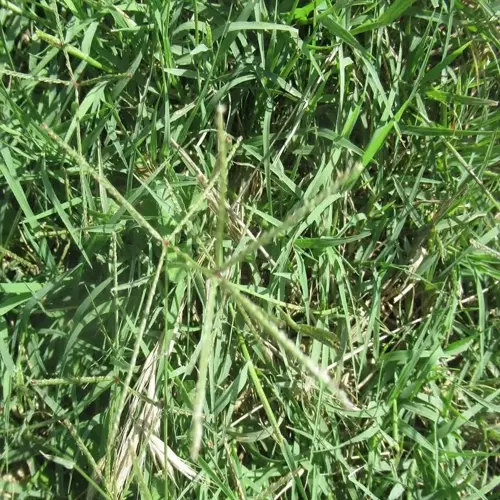
The reason it feels otherwise is pace. Nutsedge grows faster than the turf around it, so a cut that levels the whole lawn on Saturday holds for a few days at best before the sedge is back on top of everything. That is when the color and texture mismatch jumps out at you, and it looks sharper after every mowing. You cut, it wins the race back, and the eye reads that as the mower feeding it. The mower did not add a single plant. It just reset the scoreboard on a race the sedge always wins.
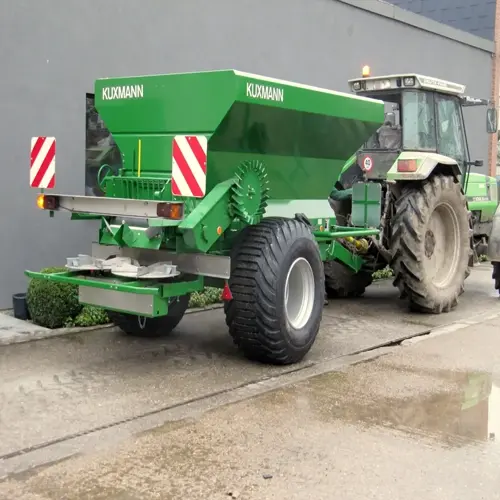
What moves this weed is dirt. Tubers and rhizomes ride along in contaminated soil, and that is how nutsedge turns up in yards that never had it before. A scoop of borrowed topsoil, a wheelbarrow of fill from the back of a job site, or mud packed in a tire tread can all start the problem. Tools that turn soil make a small patch into a big one. Run a tiller through mature nutsedge and you spread the infestation, because the machine moves tubers around in the ground and each piece has a fresh start. A mower never gets near that layer. It clips leaf blades well above the tuber bank, and the tubers do not notice. That is where the mowing nutsedge spread theory falls apart.
The mowing height nutsedge question comes up next, and cutting height is not the lever people hope for. No setting on the deck starves a tuber. What steady cutting does is build turf density, and thicker turf slows this weed down. Feed the lawn, mow it on a real schedule, and grow a grass that suits your site and your climate. Thin, hungry turf is what hands nutsedge open ground to work with. That is the slow, boring part of the job, and it does more over a season than any single spray does in a week.
Mowing does matter on one date, and that date is spray day. Penn State Extension says to curtail mowing for at least 2 to 3 days before and after a herbicide application. Water the lawn the day before you spray. Then skip mowing before herbicide goes down. A fresh cut takes away most of the leaf that the spray has to land on. Hold the mower for 2 days after the application as well.
Put that on a calendar and it runs itself. Mow on Monday, water on Wednesday, spray on Thursday, and leave the mower in the shed until the weekend. You give up one cut, the grass gets a little shaggy, and the treatment lands on full green leaves instead of stubs. That trade is worth it. Mowing the day before a spray is one of the easiest ways to waste a bottle of herbicide and a Saturday morning.
So keep the mower on its normal schedule the rest of the year. Cutting grass is not what put nutsedge in your yard, and it will not haul the weed off to a clean corner. Knock the soil off boots and tires after you work an infested area, since soil is the route that matters here. Build the turf up with feeding and regular cutting so the grass takes the space first. Then park the mower around any spray date and let the herbicide hit full leaves.
Read the full article: Nutsedge: How to Kill It and Keep It Out