
The truth is that coffee grounds repel beetles claims don't hold up well to testing. While coffee works against some garden pests, Japanese beetles don't seem to care much about it. You can use coffee grounds for other reasons, but beetle control isn't one of them.
I tested this for two full summers by spreading coffee grounds around half my rose bushes. The treated roses got just as many beetles as the untreated ones right next to them. I counted beetles every morning and saw no real difference between the two groups.
The coffee grounds pest control idea makes sense on paper. Caffeine and other compounds in coffee can harm or repel soft-bodied insects like slugs and ants. But Japanese beetles have tough outer shells that protect them from mild irritants. They just walk right over coffee grounds without caring.
Some gardeners swear coffee grounds work for them, but the evidence is weak. What likely happens is that you're also using other methods at the same time. Your hand-picking or neem spray does the real work while the coffee grounds get the credit by mistake.
Your coffee grounds work much better as a soil amendment than as a pest barrier. They add nitrogen to compost and improve soil texture over time. Acid-loving plants like blueberries and azaleas benefit from the slight pH drop. Just don't expect beetle protection as a bonus.
Slugs and snails might avoid coffee grounds due to their rough texture and caffeine content. Results here are mixed too, but at least there's some logic to it. These soft pests don't like crawling over sharp particles. Japanese beetles just fly right over any ground barrier you put down.
If you want a natural beetle deterrent that works, try garlic spray or neem oil instead. These methods have actual research backing them up. Garlic masks the scent signals beetles use to find plants. Neem makes leaves taste bad and disrupts beetle feeding for several days per application.
Home remedies beetles respond to tend to target their specific weaknesses. Soapy water works because it breaks down their waxy coating. Garlic and rue work because beetles rely on smell to find food. Coffee grounds don't hit any of these weak points in a meaningful way.
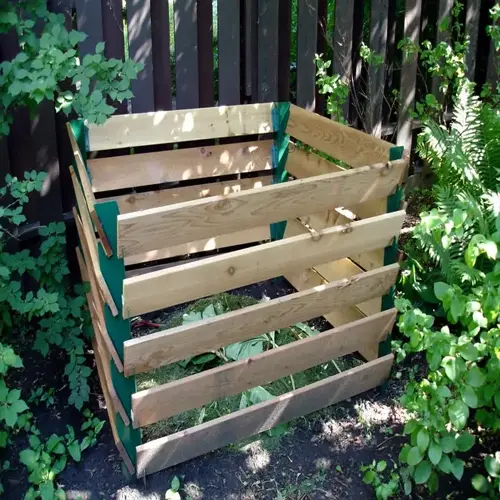
You should still use your coffee grounds in the garden for other benefits. Spread them in your compost pile or mix them into soil around plants that like acidic conditions. Earthworms love coffee grounds and will help break them down into rich soil. Just don't rely on them for beetle protection.
I keep my morning coffee grounds separate from my beetle control routine now. They go straight into my compost bin where they do real good. My actual beetle fighting uses soap spray, neem oil, and hand-picking during the morning hours when beetles move slow.
Many home remedies beetles supposedly avoid just don't have the evidence to back them up. Coffee grounds fall into this category along with things like eggshells and banana peels. They won't hurt your garden, but they won't save your roses from beetles either.
Your best bet combines several proven methods at once. Plant garlic chives near your roses for scent masking. Spray neem oil every few days during peak season. Hand-pick beetles into soapy water each morning. This approach works better than any single home remedy ever could.
My neighbor tried coffee grounds after I told her they didn't work for me. She wanted to test it herself. After one season she agreed with my results. Now she uses the same combo of garlic spray and hand-picking that I rely on.
You might still want to try coffee grounds yourself to see what happens. Just don't put all your beetle eggs in that one basket. Use proven methods as your main defense and treat coffee grounds as a nice extra for your soil. Your roses will thank you for being realistic about what works.
Read the full article: Controlling Japanese Beetles: Expert Guide