
Yes, mango trees grow indoors just fine as tropical houseplants. You should not expect fruit from them though. These trees make stunning foliage plants with gorgeous leaves. They rarely produce mangoes inside a home because they lack what they need to fruit.
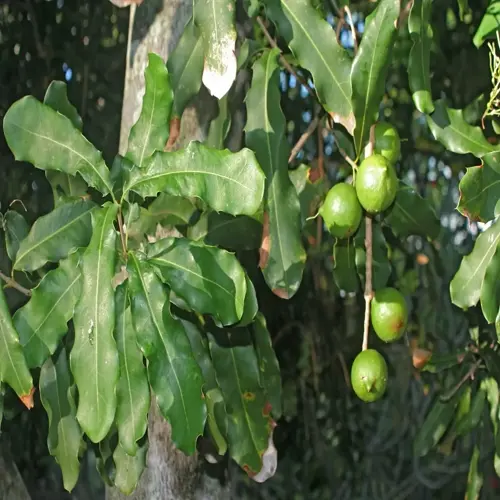
I grew my first indoor mango plant from a grocery store seed about four years ago. It now stands about four feet tall with glossy dark green leaves that drape down in an elegant shape. The new leaf growth flushes in gorgeous bronze and red tones. These colors fade to deep green as the leaves mature. Friends always ask what tropical plant I have in my living room.
Several factors stop indoor mangoes from setting fruit. They need six or more hours of direct sunlight each day just to consider flowering. Most homes fall short of this without added lighting. Indoor trees also need pollinators to set fruit. Bees and other insects rarely visit houseplants. Temperature swings inside homes mess with the bloom cycle too. Space limits keep the trees too small to hold heavy fruit loads.
Place your tree near a south-facing window for the best results. If you lack bright windows, full-spectrum LED grow lights work great. Run them for 10-12 hours each day to mimic tropical sunlight. These lights keep the foliage lush and healthy all year round. I added a grow light to my setup during winter and saw a big jump in new leaf growth.
Good mango houseplant care starts with proper humidity between 40-60%. Most homes run drier during winter heating season. A humidity tray under the pot helps fix this fast. You can also use a small humidifier nearby. Misting the leaves gives a quick boost but does not replace steady ambient moisture.
Start your tree in a 5-gallon container and move up one pot size every two to three years. Always use containers with drainage holes. Root rot kills more indoor mangoes than any other problem. A well-draining potting mix with added perlite keeps the roots healthy between waterings. I use two parts potting soil to one part perlite for all my tropical trees.
For the healthiest growth, move your mango outdoors during warm summer months. The tree loves natural sunlight and fresh air. Pollinators may even visit during this time. Bring it back inside before nights drop below 50°F (10°C) in fall. This seasonal shift gives you a gorgeous year-round houseplant. Your tree also gets a tropical vacation each summer that boosts its growth for the next year.
Read the full article: Growing a Mango Tree From Seed in 5 Steps