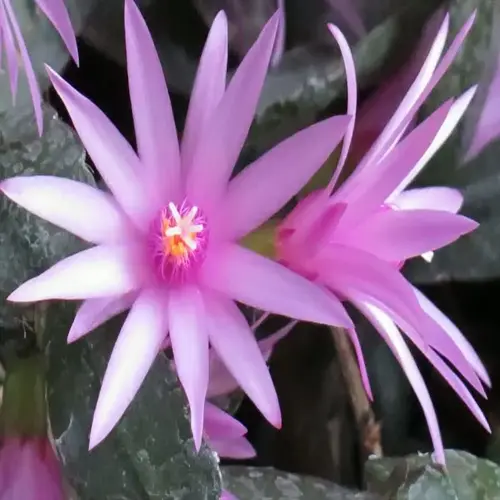

Epsom salt flower blooming gains show up only when your plants lack magnesium in the first place. Some flowers respond well to this treatment while others show no change at all.
Many gardeners hope for Epsom salt bigger blooms after reading about results online. The truth depends on your soil. Adding magnesium to plants that have plenty won't give you more flowers.
I tested this claim on my rose bushes over two full growing seasons. Half the plants got monthly Epsom salt treatments. The other half received only my usual rose food. The results taught me a lot about garden myths.
My treated roses made about the same number of blooms as the others. The flowers looked the same size and lasted the same number of days. A soil test later showed I already had enough magnesium for my plants.
Chicago Botanic Garden says roses can gain from fast-acting magnesium for flowers when soil runs low. They also note that Epsom salt can't replace a full fertilizer. Your plants still need nitrogen, phosphorus, and potassium to bloom well.
Magnesium helps plants in a specific way. It sits at the center of every chlorophyll bit in your plant leaves. More chlorophyll means more energy from sunlight. More energy can mean stronger growth and better blooms.
This chain of effects only works when magnesium is the missing link. If your soil has enough, adding more won't boost chlorophyll or give you extra flowers. The plant takes what it needs and the rest sits unused.
My friend tried Epsom salt on her sick hibiscus and saw real changes within a month. Her sandy coastal soil had lost most of its magnesium to rain. This was a case where the treatment matched a real problem in her yard.
Roses
- Heavy feeders: Roses use lots of nutrients and may gain from magnesium if soil runs low during the season.
- Best timing: Apply 1 tablespoon per foot of plant height in early spring as new growth starts.
- Watch for signs: Yellow leaves between green veins on older growth signals they need magnesium.
Hibiscus and Azaleas
- Acid lovers: These plants grow in acidic soil where magnesium washes away faster than in other types.
- Light dose: Use 1 teaspoon per gallon of water monthly during growing season if leaves look pale.
- Skip if healthy: Green, lush foliage means your plants have enough magnesium without adding more.
Annual Flowers
- Short season: Most annuals finish blooming before they could show magnesium shortage signs.
- Soil prep matters: Good potting mix or amended beds give annuals all they need for one season.
- Rarely needed: Focus on balanced plant food rather than single mineral treatments for best results.
Apply Epsom salt before bloom time for the best chance at results. Plants use the most magnesium when forming new flowers and fruit. Feeding during this period gives them what they need right when they need it most.
Test your soil before adding any treatment to your flower beds. A simple test shows if magnesium runs low or if you should look for other causes of poor blooming. This step saves you from wasting time on fixes that don't match your problem.
Read the full article: Epsom Salt for Plants: A Science-Based Guide