
Introduction
Growing an avocado tree indoors has become a hot trend for home gardeners. You've seen the viral videos of people sprouting pits with toothpicks. They dream of homegrown guacamole within a year or two.
I started my first indoor avocado plant from a Chipotle pit about 8 years ago. That tree taught me hard truths about growing avocados inside. These trees come from Central America and Mexico and need warm USDA zones 10 through 12. But you can grow them anywhere with the right setup.
Here's what most guides skip. Your indoor avocado will make a beautiful houseplant with glossy green leaves. But getting real fruit needs conditions most homes cannot provide. You'd need serious grow lights and climate control.
Think of container avocado growing like raising a tropical pet. You'll spend years giving it care and patience. The reward is lush foliage from a kitchen scrap. This guide helps you grow avocado houseplant success for fun or fruit.
Best Dwarf Avocado Varieties
The best avocado variety indoors depends on your space and goals. Most dwarf avocado varieties stay between 8 and 15 feet tall with pruning. The Wurtz avocado, also called Little Cado, tops my list for compact spaces.
You need to know about avocado flower types to get fruit. Type A trees open female flowers in the morning and male flowers later. Type B trees do the opposite. Having both types boosts your odds of getting fruit indoors.
Grafted container avocado tree plants cost between 40 and 80 dollars at nurseries. That price gets you a tree that could fruit in 3 to 4 years. Seeds take 10 plus years. For serious growers, this compact avocado investment pays off.
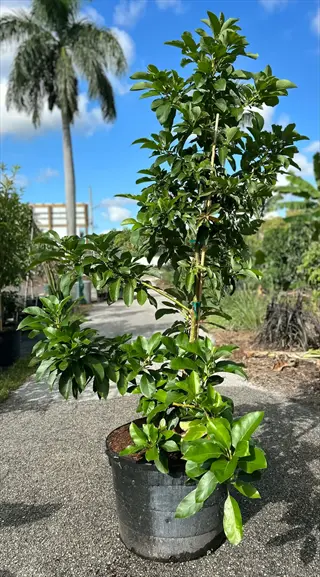
Wurtz (Little Cado)
- Mature Size: Reaches 8-10 feet (2.4-3 meters) tall, making it one of the most compact true dwarf avocado varieties available for container growing indoors.
- Flower Type: Type A flowering pattern means female flowers open in the morning and male flowers in the afternoon, important for cross-pollination planning.
- Fruit Quality: Produces medium-sized fruit with green skin and creamy flesh that ripens well indoors, though yields are smaller than outdoor trees.
- Growth Habit: Naturally compact and bushy growth habit requires less aggressive pruning than standard varieties to maintain manageable indoor size.
- Cold Tolerance: Tolerates temperatures down to 30 degrees F (-1 degree C) briefly, making it suitable for cooler indoor environments during winter.
- Best For: Ideal choice for gardeners with limited space who want a realistic chance at fruit production from an indoor avocado tree.
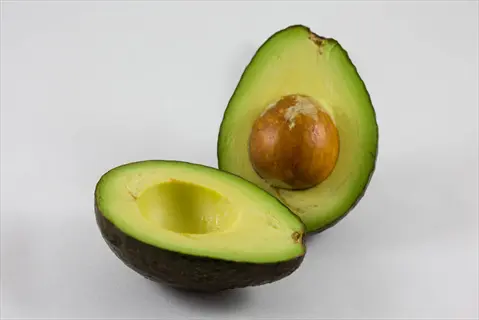
Day Avocado
- Mature Size: University of Florida research specifically highlights Day avocado as container-suitable, reaching 8-12 feet (2.4-3.6 meters) with proper pruning management.
- Flower Type: Type A variety that pairs well with Type B varieties like Bacon for improved indoor cross-pollination and fruit set.
- Fruit Quality: Produces excellent-tasting fruit with smooth, creamy texture that many consider superior to grocery store Hass avocados.
- Growth Habit: Responds well to pruning and can be trained into a compact shape suitable for large containers in bright indoor spaces.
- Cold Tolerance: Moderate cold hardiness makes it adaptable to typical indoor temperature fluctuations between 60-85 degrees F (15-29 degrees C).
- Best For: Recommended by university extension programs as one of the top choices for serious container fruit production attempts.
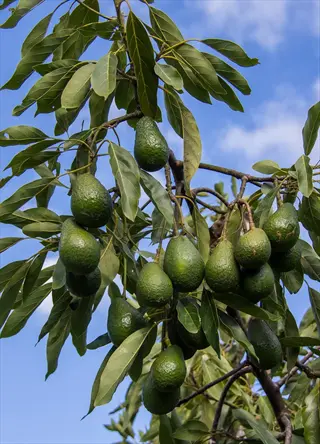
Gwen Avocado
- Mature Size: Naturally compact growth reaches 10-15 feet (3-4.5 meters) outdoors but can be maintained at 6-8 feet (1.8-2.4 meters) indoors with regular pruning.
- Flower Type: Type A flowering pattern similar to Hass, requiring a Type B pollinator nearby for best fruit production results indoors.
- Fruit Quality: Produces oval fruit with rich, nutty flavor and green skin that becomes slightly pebbled when ripe, similar to but larger than Hass.
- Growth Habit: Dense, upright growth pattern makes it easier to manage in container culture with less lateral spreading than other varieties.
- Cold Tolerance: Handles temperatures down to 28 degrees F (-2 degrees C) briefly, offering good resilience for indoor growing near drafty windows.
- Best For: Excellent choice for gardeners who want Hass-like fruit flavor from a more compact and manageable indoor tree.
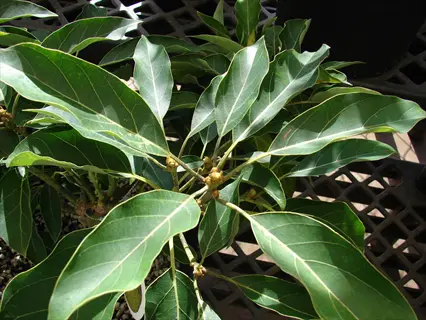
Reed Avocado
- Mature Size: Semi-dwarf variety reaches 10-15 feet (3-4.5 meters) but responds excellently to pruning, maintaining 8 feet (2.4 meters) or less in containers.
- Flower Type: Type A variety that benefits from nearby Type B pollinators but can set some fruit through self-pollination in ideal conditions.
- Fruit Quality: Produces large, round fruit with buttery texture and mild flavor that many consider the best-tasting avocado variety available.
- Growth Habit: Upright, narrow growth habit makes it suitable for corners and tight spaces where horizontal spread would be problematic.
- Cold Tolerance: Mexican-Guatemalan hybrid tolerates temperatures to 30 degrees F (-1 degree C), suitable for most indoor environments year-round.
- Best For: Ideal for gardeners prioritizing fruit quality over tree size, willing to provide the space for a slightly larger indoor specimen.
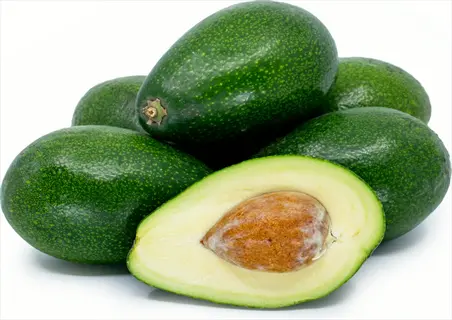
Bacon Avocado
- Mature Size: Medium-sized variety reaches 15-20 feet (4.5-6 meters) outdoors but can be kept to 8-10 feet (2.4-3 meters) with consistent pruning indoors.
- Flower Type: Type B flowering pattern makes it the essential cross-pollinator for Type A varieties like Wurtz, Day, Gwen, and Reed.
- Fruit Quality: Produces oval fruit with smooth, thin green skin and pale yellow flesh that has a lighter, less oily flavor than Hass.
- Growth Habit: Vigorous grower that requires more frequent pruning to maintain indoor size but responds well to training and shaping.
- Cold Tolerance: One of the most cold-hardy varieties, tolerating temperatures down to 24 degrees F (-4 degrees C), handling indoor winter conditions easily.
- Best For: Essential addition for indoor growers serious about fruit production who need a Type B pollinator to complement Type A trees.
Starting Your Avocado Plant
You can grow avocado from seed using several methods. The toothpick method avocado growers love is fun to watch but not the best for your plant. I've started over 30 pits using every technique you can find online.
University of Nebraska research shows the soil method beats water for root strength. Yes, the toothpick setup lets you watch roots grow. But those water roots struggle when you move the plant to soil later.
To start avocado from pit, place it with the flat end down and pointed end up. Keep soil moist but never soggy. Wet conditions cause curled leaves and soft stems that kill young plants fast.
Seed starting takes patience. Avocado seed germination needs time no matter which path you take. Here's what I found testing each approach.
Avocado propagation from seed takes 10 to 13 years before you might get fruit. That's a long wait for guacamole. Grafted trees cut that time to 3 or 4 years with proper care.
Light and Placement Requirements
Your avocado needs lots of light. The avocado light requirements call for at least 6 hours of bright light each day. A south facing window avocado setup gives you the best results.
I've tested my trees in every room of my house. The best window avocado plant placement combines bright light with cool temps. University of Washington research backs this up. They say pick your brightest window in your coolest room.
Indoor avocado sunlight needs go beyond just hours. The light must be strong enough. Research shows avocados hit peak growth at about 25% of full outdoor sun. Most windows provide less than this, which is why avocado grow light setups help.
South-Facing Windows
- Light Quality: Provides the most consistent bright light throughout the day, often meeting or exceeding the 6-hour minimum requirement for healthy avocado growth.
- Best Season: Excellent year-round placement in most climates, though summer intensity may require positioning the plant 2-3 feet (0.6-1 meter) back from the glass.
- Temperature Consideration: Can become warm, which benefits avocados since optimal photosynthesis occurs around 82 degrees F (28 degrees C) according to research.
West-Facing Windows
- Light Quality: Receives strong afternoon light that provides adequate intensity for avocado growth, typically 4-6 hours of direct exposure during peak daylight.
- Best Season: Particularly valuable during winter months when afternoon sun provides needed warmth and light as days grow shorter.
- Temperature Consideration: Afternoon heat can be intense in summer, so monitor leaf edges for signs of sunburn and adjust position if browning occurs.
East-Facing Windows
- Light Quality: Provides gentler morning light that may not meet full light requirements alone, typically offering 3-4 hours of direct morning exposure.
- Best Season: Works well as supplementary placement in spring and summer when days are longest, but likely insufficient during winter months.
- Temperature Consideration: Morning light is cooler and less intense, which can slow growth but reduces risk of leaf burn in sensitive young plants.
North-Facing Windows
- Light Quality: Insufficient as sole light source for avocados, providing only indirect light that will cause leggy, stretched growth and weak stems.
- Best Season: Not recommended during any season without supplemental grow lights providing at least 10-12 hours of artificial light daily.
- Temperature Consideration: Often the coolest location in a home, which compounds the low light problem by slowing metabolism and growth further.
If your home lacks good windows, add a grow light. Run it 10 to 14 hours per day to make up for weak natural light. Your tree will thank you with thick stems and dark green leaves.
Watering and Humidity Care
Watering avocado plant care is where most growers fail. I've killed more avocados from overwatering than any other cause. The avocado water requirements are less than you think for indoor plants.
Avocado roots sit in the top 6 inches of soil and hate wet feet. These roots are very tender and break down in soggy ground. Too much water causes avocado root rot that kills plants fast.
Look for overwatering avocado symptoms such as yellow leaves and soft stems. Let the soil dry out between drinks. Wet soil causes slow growth, weak leaves, and can kill your plant.
Your tree needs good avocado humidity to thrive. Mexican types do well with 45 to 60% in the air. For drier homes, mist the leaves or set your pot on a tray of damp gravel.
Container, Soil and Fertilizing
The best pot avocado plant setup starts with the right avocado container size. I've grown trees in pots from 6 inches to 20 gallons. Each size serves a purpose in your plant's life cycle.
Potting soil avocado mixes need good drainage above all else. Missouri Botanical Garden says your soil must be rich, loose, and drain well. Root rot kills more indoor avocados than any pest ever could.
Avocado pot drainage makes or breaks your success. Every pot needs holes at the bottom. I add a layer of gravel before the soil to keep those holes clear and water flowing out fast.
Pot Selection and Sizing
- Starting Size: Begin seedlings in 6-8 inch (15-20 cm) diameter pots with drainage holes, moving up one pot size annually as roots fill the container.
- Material Choice: Terra cotta pots allow soil to breathe and dry faster, reducing root rot risk, while plastic retains moisture longer and works in drier climates.
- Mature Container: Full-grown indoor avocados thrive in 15-20 gallon containers, providing adequate root space while remaining moveable for cleaning and repositioning.
Ideal Soil Mix Recipe
- Base Components: Combine 2 parts high-quality potting soil with 1 part perlite and 1 part coarse sand for optimal drainage and aeration.
- Drainage Enhancement: Add a 1-2 inch (2.5-5 cm) layer of gravel or broken pottery shards at the pot bottom to prevent drainage holes from clogging.
- Acidity Level: Aim for slightly acidic to neutral pH between 6.0-7.0, similar to citrus growing requirements for best nutrient availability.
Fertilizing Schedule
- Young Plants: Feed every 1-2 months during the first year with a balanced fertilizer containing nitrogen, phosphorus, and potassium in equal proportions.
- Established Trees: Apply citrus or avocado-specific fertilizer monthly during spring and summer growing season, reducing to every 6-8 weeks in fall and winter.
- Nutrient Ratio: University of Florida recommends 6-10% nitrogen, 6-10% phosphorus, 6-10% potash, plus 4-6% magnesium for optimal indoor avocado nutrition.
Repotting Guidelines
- Timing Signs: Repot when roots circle the pot bottom, emerge from drainage holes, or water runs straight through without being absorbed by the soil.
- Best Season: Early spring before active growth begins provides the best recovery window, allowing roots to establish before summer heat stress.
- Size Increase: Move up only one pot size at a time (2 inches or 5 cm larger diameter) to prevent excess soil moisture that promotes root rot.
Avocado fertilizer needs change through the year. Feed your tree once a month in spring and summer when it grows most. The avocado NPK ratio should be balanced around 6-6-6 or 10-10-10 for best results.
Pruning and Maintenance
Pruning avocado plant stems is the secret to a bushy avocado plant indoors. Without cuts, your tree grows tall and thin with leaves only at the top. I learned this lesson the hard way with my first avocado.
Pinching avocado plant tips triggers new branches to sprout from below. The Royal Horticultural Society says to cut your main stem in half when it reaches 6 inches tall. This single cut changes your plant's whole shape.
Avocado leggy growth happens when you skip this step. You'll end up with a tall stick instead of a pretty tree. To trim avocado tree indoor plants, use clean sharp shears and cut just above a leaf node.
Check your plant each month for pests like spider mites and scale bugs. Flush the soil with plain water once every 3 months to wash out salt that builds up from fertilizer over time.
5 Common Myths
Avocado trees grown from seed will produce the same fruit as the parent avocado you purchased from the grocery store.
Seed-grown avocados are genetically unique and may produce fruit that tastes completely different from the parent, or they may never fruit at all. Grafted nursery trees are clones that produce predictable fruit.
The toothpick water method is the best and fastest way to germinate an avocado seed for indoor growing.
Research from University of Nebraska Extension shows that planting avocado seeds directly in moist soil actually produces faster establishment and stronger root systems than the popular water method.
Indoor avocado trees need to be watered frequently because they are tropical plants that love moisture.
Avocado roots are extremely sensitive to waterlogging. University of Florida research confirms that continuously wet conditions cause root rot, nutrient deficiencies, and potentially tree death. Allow soil to dry slightly between waterings.
You only need one avocado tree to produce fruit since they can self-pollinate their own flowers.
While avocado flowers contain both male and female parts, the timing differs. Type A and Type B varieties open at different times, so having both types significantly improves pollination success for indoor fruit production.
Placing an avocado plant in any sunny window will provide enough light for healthy growth and potential fruit production.
Avocados need a minimum of 6 hours of bright direct light daily. Research shows light saturation occurs at about 25% of full sunlight. Many indoor locations, even near windows, fail to meet these requirements without supplemental grow lights.
Conclusion
Growing an avocado tree indoors takes work but pays off with a stunning tropical plant in your home. The keys to container avocado success are simple. Give your tree 6 or more hours of light each day and let soil dry between drinks.
Indoor avocado plant care rewards patient gardeners with glossy green leaves year round. Your tree might never make fruit inside your house. But the joy of growing something tropical from a kitchen pit makes the effort worthwhile.
Seeds take 10 to 13 years before they might bear fruit. Grafted dwarf trees cut that wait to just 3 or 4 years. Pick your path based on your goals. Fun project or fruit producer.
You now know how to grow avocado houseplant success in any home. Start with the right soil, pot, and light setup. Give your tree care and time. Whether you get fruit or just foliage, you'll have a beautiful living reminder of your green thumb skills.
External Sources
Frequently Asked Questions
Can avocado trees thrive indoors throughout all seasons?
Yes, avocado trees can thrive indoors throughout all seasons when provided with adequate light (6+ hours daily), proper humidity (40-70%), temperatures between 60-85 degrees F (15-29 degrees C), and well-draining soil. They make excellent houseplants even in climates outside their natural USDA zones 10-12.
Do avocado trees need direct sunlight?
Avocado trees prefer bright light and benefit from direct sunlight, ideally 6 or more hours daily. Place them near south or west-facing windows. Without sufficient light, stems stretch and become leggy. Grow lights can supplement natural light in darker spaces.
How do you keep an avocado tree compact?
Keep avocado trees compact through regular pruning:
- Pinch growing tips when stems reach 6-8 inches (15-20 cm) to encourage branching
- Cut the main stem by half when the plant reaches 12-15 inches (30-38 cm) tall
- Remove leggy growth and prune back to outward-facing buds
- Maintain consistent light to prevent stretching toward windows
Do avocado plants prefer large or small containers?
Avocado plants grow best when gradually moved to larger containers. Start seedlings in 6-8 inch (15-20 cm) pots, then repot annually as roots fill the container. Mature indoor trees do well in 15-20 gallon containers. Avoid oversized pots as excess soil retains moisture and promotes root rot.
Should avocado plants be moved outdoors in summer?
Moving avocado plants outdoors in summer can benefit their growth by providing increased light and natural humidity. Gradually acclimate them over 1-2 weeks to prevent sunburn. Bring plants back indoors when temperatures drop below 50 degrees F (10 degrees C).
What causes avocado leaves to turn brown at the tips?
Brown leaf tips on avocado plants typically result from:
- Salt accumulation from tap water or fertilizer buildup
- Insufficient watering causing drought stress
- Low humidity levels below 40%
- Poorly draining soil keeping roots too wet
- Fluoride or chlorine in municipal water supplies
Can you grow avocado from a grocery store pit?
Yes, you can grow an avocado plant from a grocery store pit using the toothpick water method or by planting directly in soil. The soil method typically produces faster establishment. However, seed-grown plants take 10-13 years to potentially fruit and may never produce due to genetic variability.
What temperature range do indoor avocado trees need?
Indoor avocado trees thrive in temperatures between 60-85 degrees F (15-29 degrees C). They tolerate brief exposure to 50 degrees F (10 degrees C) but growth slows significantly. Optimal photosynthesis occurs around 82 degrees F (28 degrees C). Keep plants away from cold drafts and heating vents.
Why do indoor avocado plants become leggy?
Indoor avocado plants become leggy due to insufficient light, causing stems to stretch toward the nearest light source. This happens when plants receive less than 6 hours of bright light daily. Prevent legginess by placing plants in the brightest available window, using grow lights, and regularly pinching growing tips.
Are avocado trees toxic to pets?
Avocado trees contain persin, a toxin found in leaves, bark, skin, and pits that can be harmful to dogs, cats, birds, and other animals. While the fruit flesh is generally safe in small amounts for dogs and cats, keep pets away from all other plant parts and fallen leaves.